
18.0 mi / 2.1 mph / 2130 ft. climbing
Home: Lago del Desierto Border Camp
Today’s super-early 3:15am wakeup was not due to our own preference (e.g., to avoid heat, wind, etc.), nor would it be compensated for by an equally-early end to the day’s efforts. It was because the company running the boat to take us to a remote shore on Lake O’Higgins decided that early morning was the best weather window. We (including all the other cyclists in our boat) had been conditioned to understand that Patagonian weather laughs at the idea of puny human “schedules”, so we were just glad that we were going at all.
The common area in our small hotel had a big electric kettle, so I was able stumble over to it in the darkness to heat up water for coffee and oatmeal, and we were out rolling at 4:45am. We became two of the twenty headlights shining our beams on the dark streets of Villa O’Higgins, all silently converging on the one road leading south out of town, truly cycling the final section of the Carretera Austral.
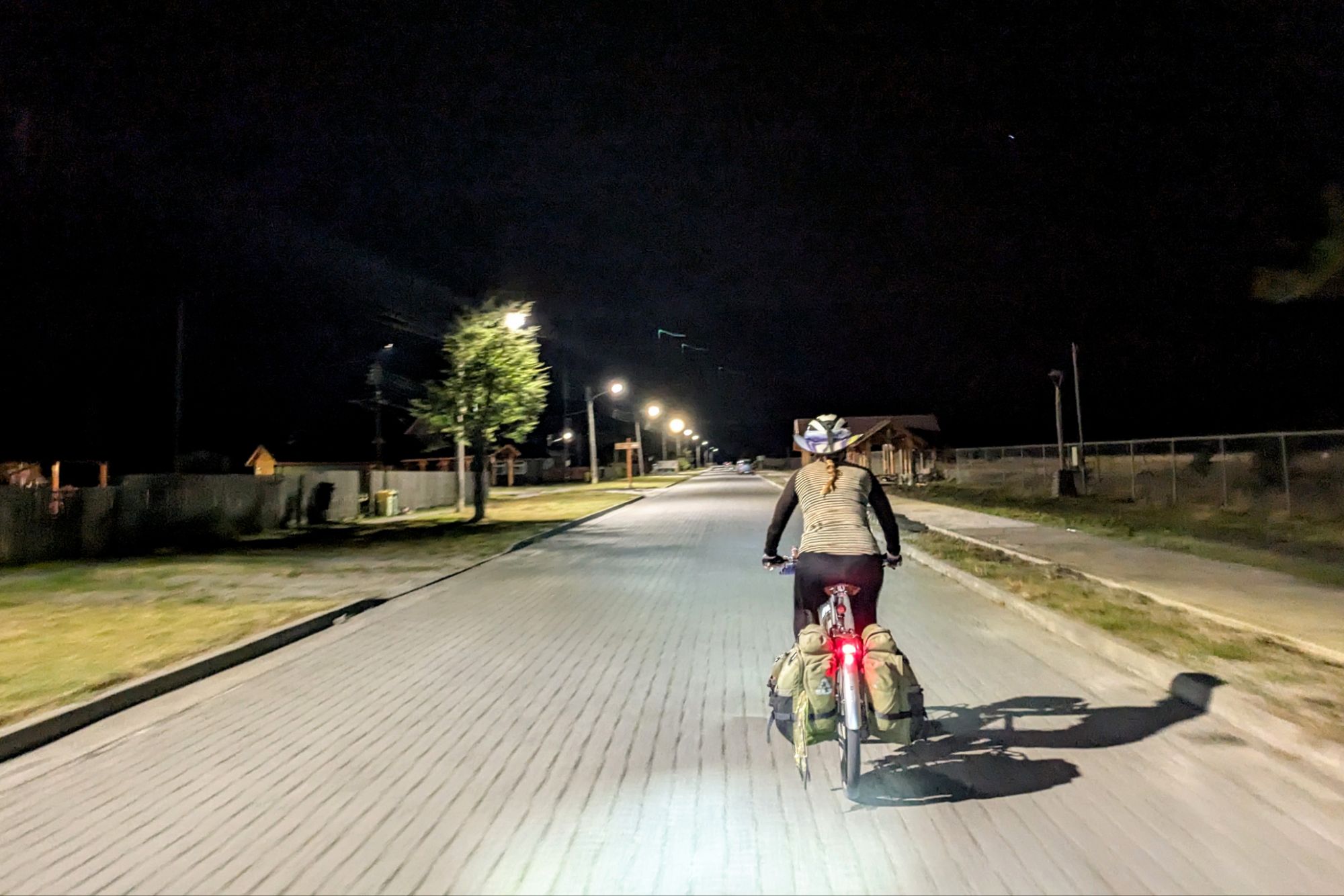
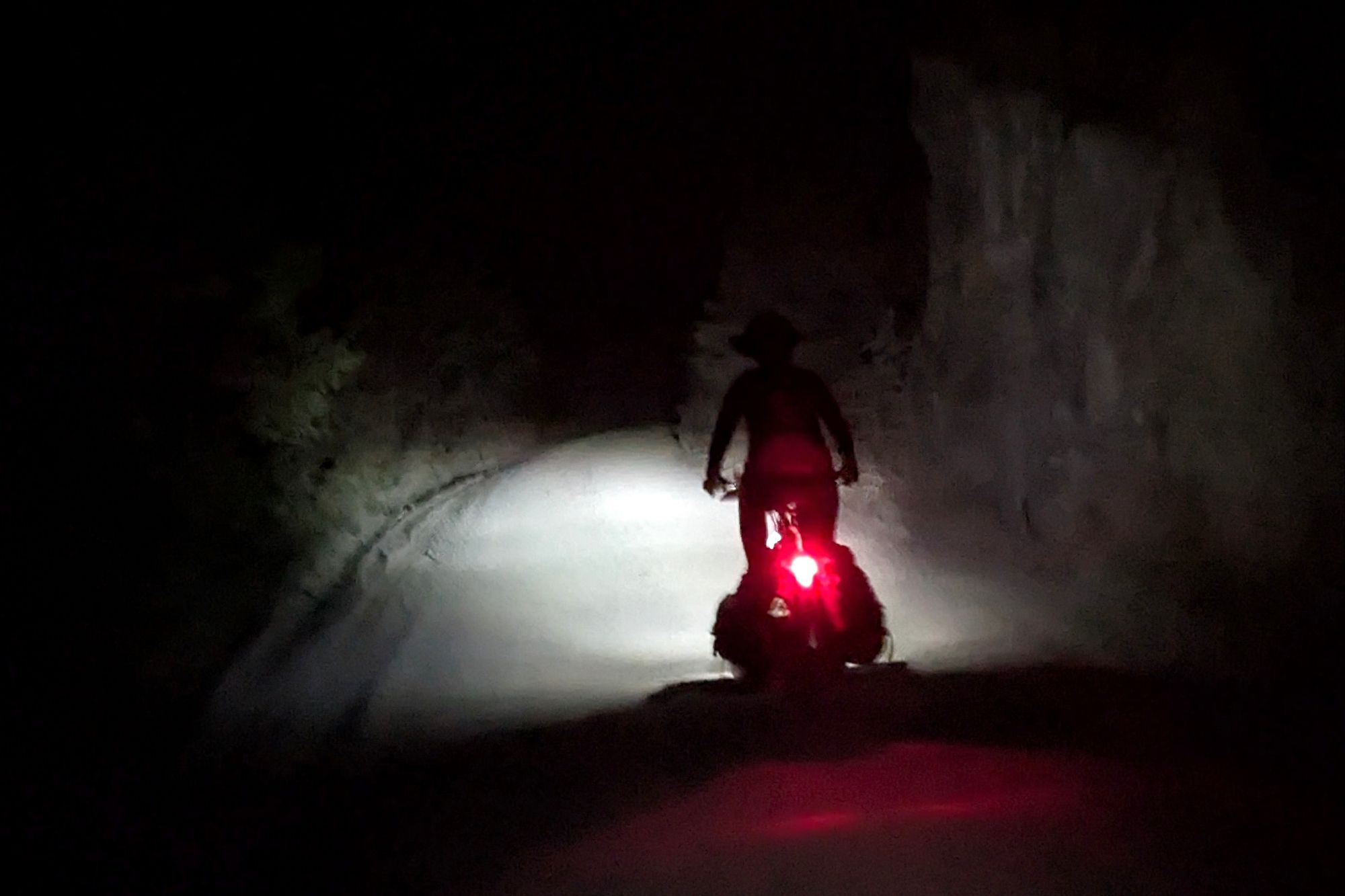
Despite our really good headlights, Rett found the riding to be terrifying once we hit the gravel. She hasn’t actually done a whole lot of riding in the dark, and certainly not on gravel, so even though it was clear that the gravel was smooth and well-compacted, she just couldn’t trust that it would stay that way. And her inability to see into the blackness beyond the road’s edges meant that the “easy” five-mile start to the day was anything but easy for her. It didn’t help that she also felt pressure to make it to the dock on time, despite me telling her that we could walk the last couple miles and still make it (and it retrospect, the boat crew and other passengers showed up so late we could have walked the entire way!)
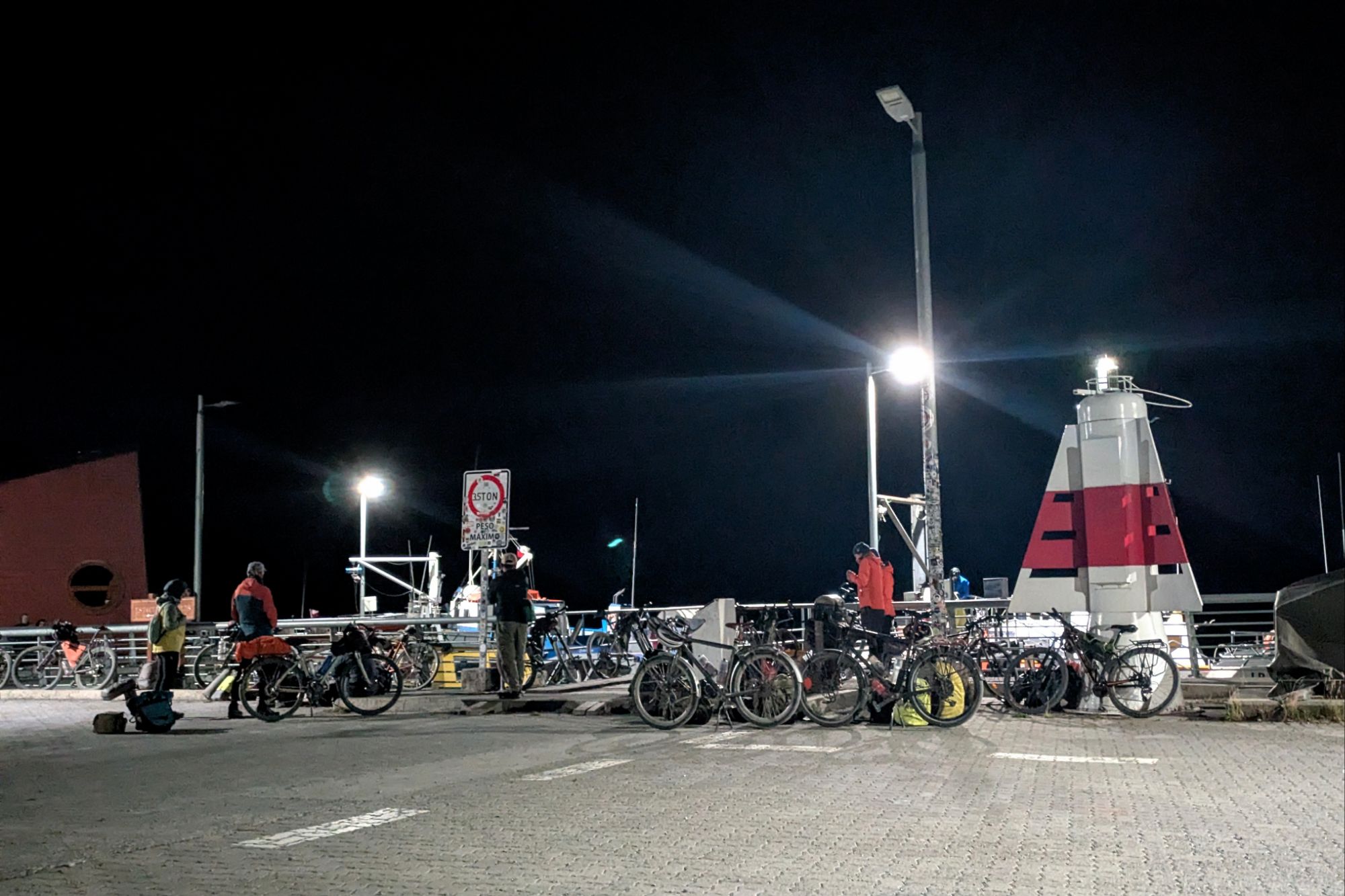
After a lot of sitting around and waiting (and everyone moving to a different dock after a backpacker told us we were lined up by the wrong boat), the crew eventually turned up with a dozen gray-haired hikers on some sort of guided tour. The mystery of how we would all fit onto the small boat was eventually solved when they began loading a second boat. But both were still packed to the gills with bikes, baggage, and bodies, so it took quite a long time for the two guys loading them to carefully Tetris everything together. Since we were the second boat to depart, we didn’t actually leave the dock until 7am, eighty minutes after our required arrival time.
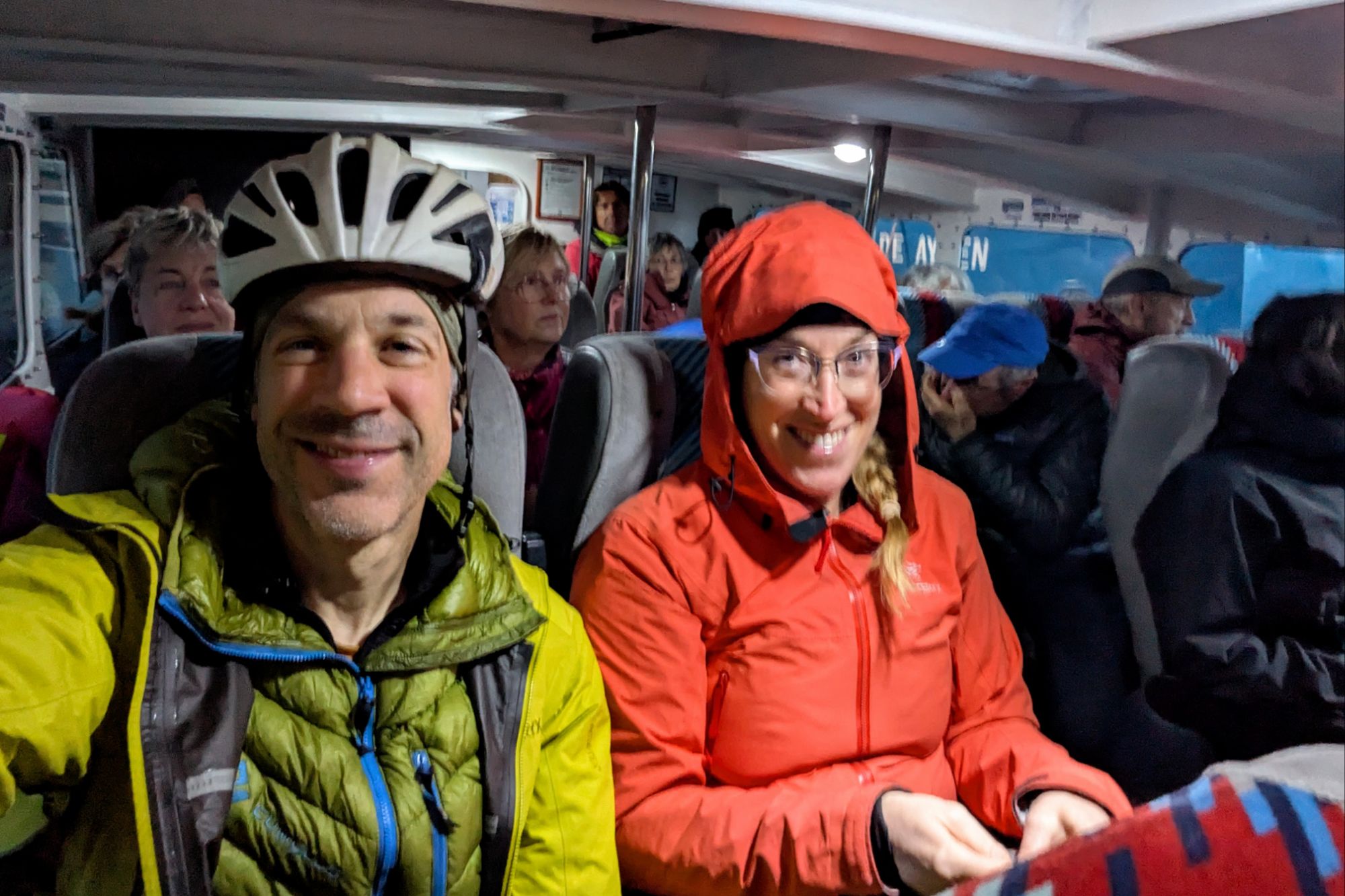
The boat was unlike anything we’ve been on before, not more than 30 feet long, but fully-enclosed under a low roof with narrow windows along the bus-style seating. The only external deck space was aft, where all of our bikes were interleaved, so it resembled one of those modern orange lifeboats somewhat more than a “real” boat. Once we came up to speed, every bump over the waves would send massive torrents of water crashing along the windows, higher than our heads, so the utility of the design was immediately evident. It seemed like there had been very little wind on land, so if the waves were this explosive now, it became more-believable that had been unsafe to navigate on the previous days.
Lake O’Higgins is extremely-strange, it’s almost like a network of inland linear fjords that have connected with each other, so on a map it looks more like a gangly insect than a lake. The majority of our journey took us due south down one of the insect’s 20-mile-long legs (antennae?), which is just 2.6 miles wide at its widest point (and less than a mile at its narrowest). The mountain walls that hem it in explode nearly a mile above the water, and it would take less than six miles of rope over our heads to connect two of those peaks. So it’s a place much more topographically-dramatic than the Grand Canyon, and far more remote, so it felt like a real privilege to be able witness sunrise in this place that few ever see.
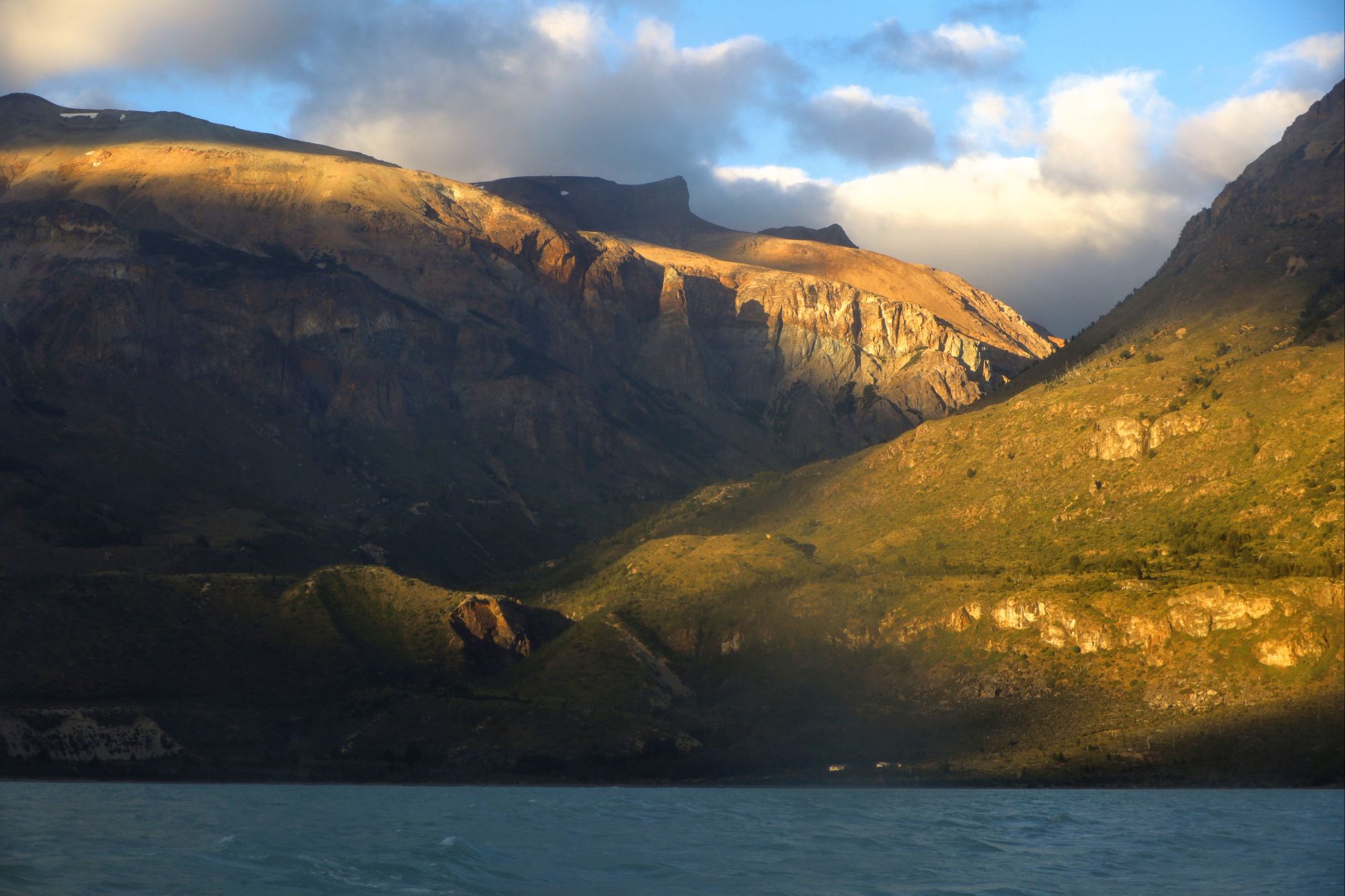
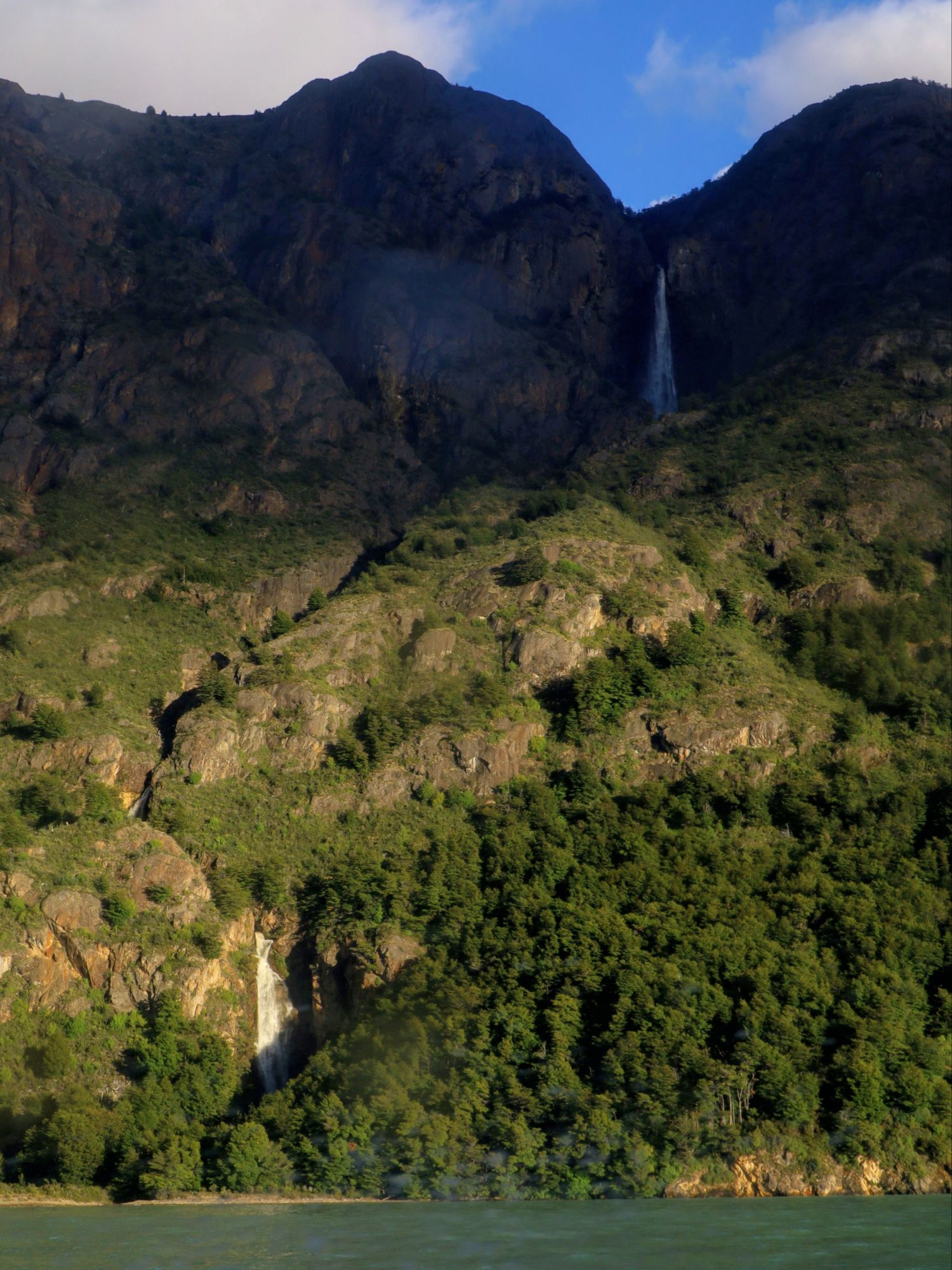
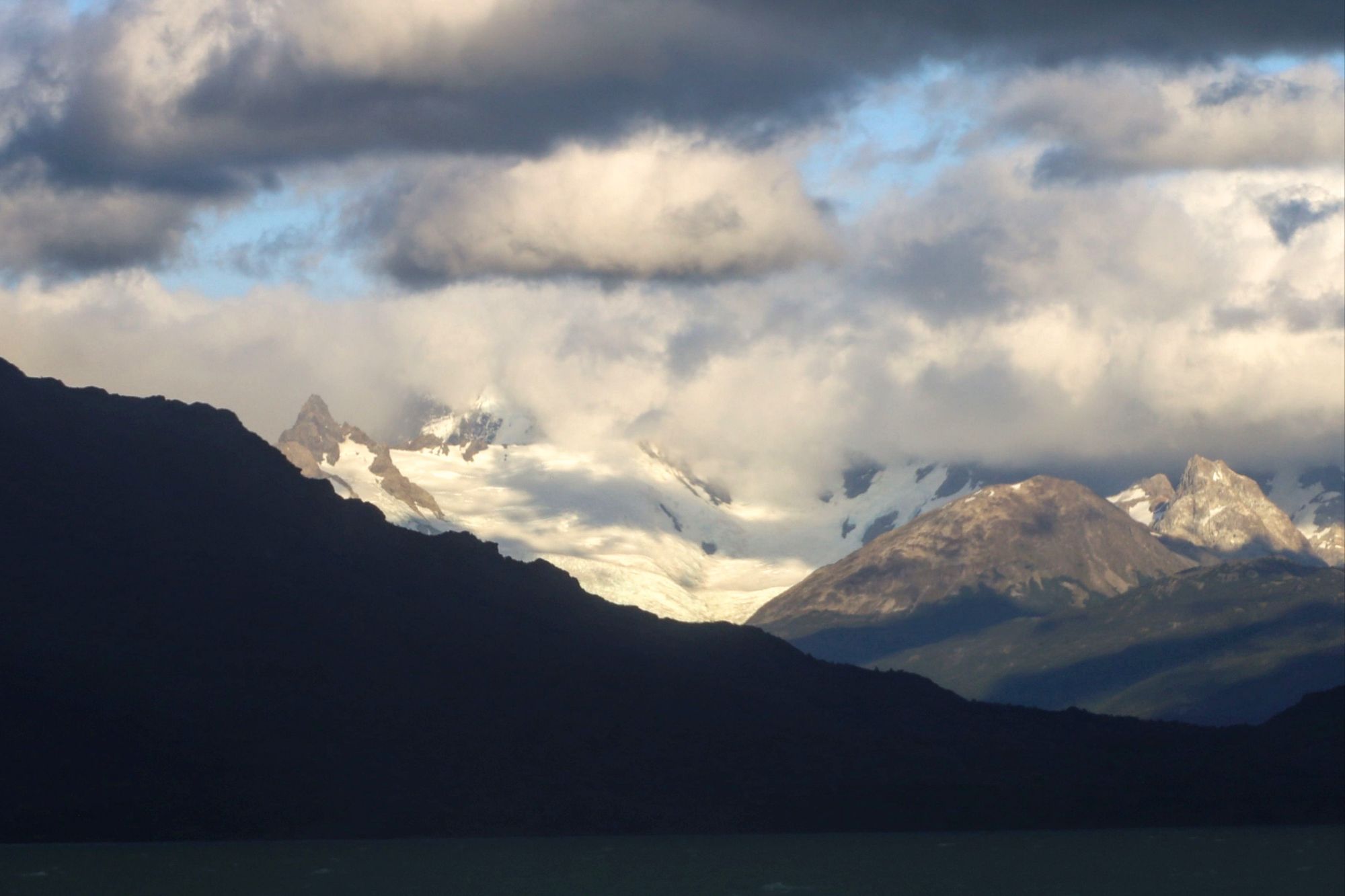
The boat landed at 8:45am. It was 13 (grueling) miles to Lago del Desierto, the next lake that we would need to take a boat across. Originally we had planned camp at the north shore of that lake and catch the 11am boat the next morning, but given our earlier-than-expected first boat run, it opened the possibility of catching the 5pm boat today, which now had some added appeal because tomorrow morning was supposed to be rainy. So, with the hiking tour group helping to carry panniers off the dock, fire-brigade style, we got our bags attached quickly (again a rare opportunity where “speed of attachment” of traditional panniers over bikepacking bags was an actual advantage!) and were the first ones pushing and grinding our way up the steep and rough gravel road to the Chilean border station half a mile away.
And while beating any of the other cyclists off the boat was definitely an advantage, we still found ourselves at the end of a long and slow-moving line. Not only were there cyclists from the first boat that left a little ahead of ours this morning, but there were a significant number who had been dropped off last night (as the boats tried to clear the backlog from multiple days of cancellations), camped here, and then only had the opportunity to get processed once the station opened this morning. (In retrospect, we were really lucky that our place in “line” had put us on this morning’s boat, even though the one-day delay had required us to move to a new hotel; it would have sucked a lot more to be “forced” to leave town last night to a remote campground and then not really end up much ahead of us anyway).
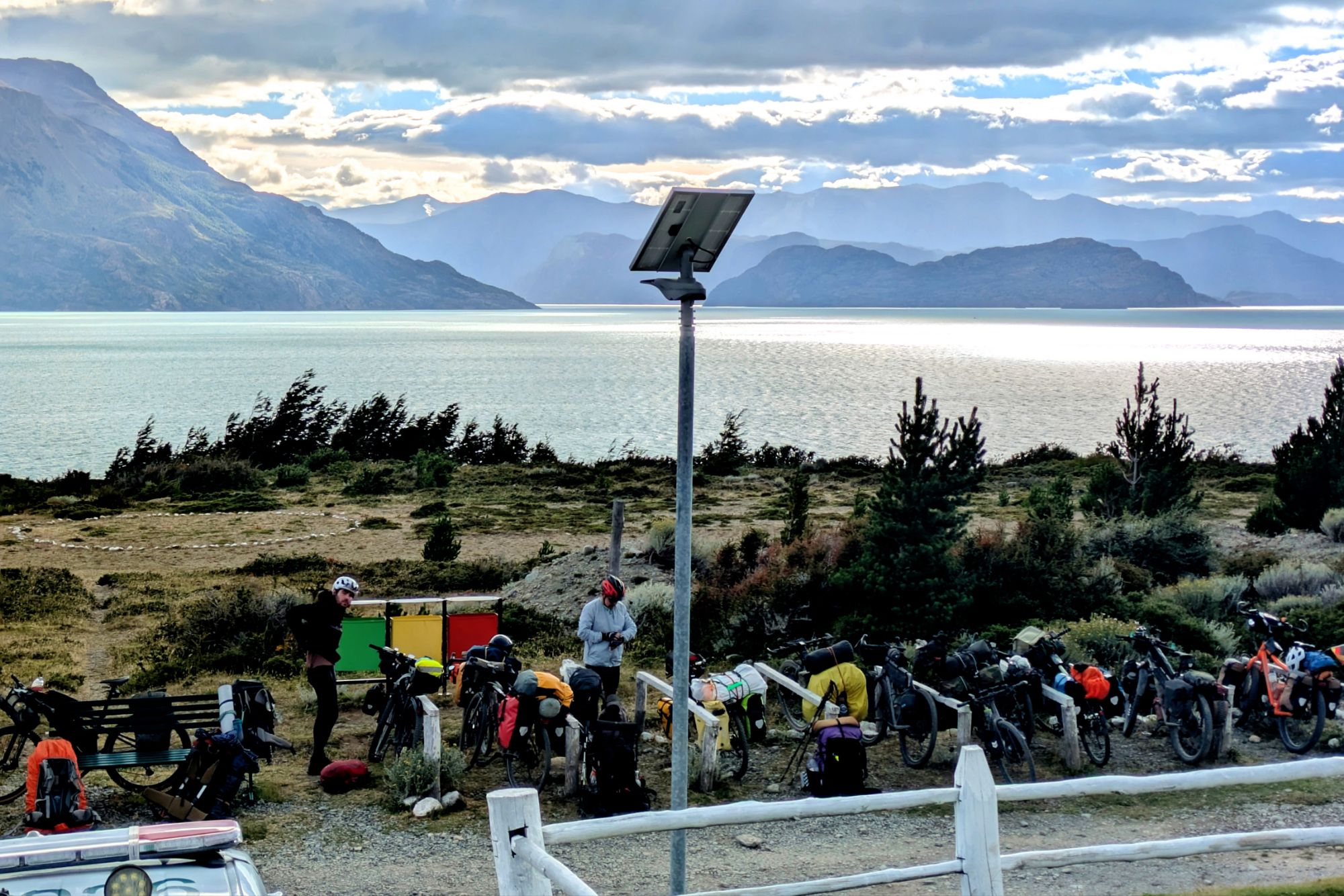
Finally it’s our turn, we enter the office where the lone officer is working, we hand over our passports and paperwork (on our phones), and he points and says “no”. Huh? He’s pointing to our “salvoconducto”, a document we had obtained days ago after submitting a form online. The border crossing (“paso”) here is so remote that it isn’t actually managed by the Chilean immigration service. This official is instead a “caribinero” (national policeman), and his job is to essentially just verify that we have remotely obtained pre-approval from the immigration service to depart Chile at this crossing. He is now pointing out that where the crossing name is supposed to be printed on our document, it simply says “false”. Um, ok, but that’s clearly just some bug in the software, right? I know that I had selected “Paso Lago O’Higgins” when I submitted the form. But no, he says that “false” refers to a completely different border crossing north of Villa O’Higgins (which probably is a software bug, but a known one, and it doesn’t help our situation). What I was supposed to select was “Hito IV-0-B, Paso Dos Lagunas”.
Shit.
After a couple seconds of panic, we learn that at least we won’t be stuck here and forced to return back across the lake. The officer is kind and helpful, calling in a native Spanish-speaker from behind us in line to help translate to make sure everything is clear, and giving us the WiFi password (there is obviously no cell service here) so that we can resubmit the forms. But it is not an instant process. It seems there is definitely a human in the loop, so it took some 40 minutes when I initially submitted the forms a few days ago, and I had seen reports of it taking many hours. So back out in the waiting room, we submitted, and then constantly refreshed our emails. Luckily, they came even a bit faster this time, and we were soon able to get back in line and get our passport stamps out of Chile.
It was totally my fault, I made the wrong assumption when filling out our forms, and I felt terrible for adding this delay and stress onto our already limit-testing day. Three other people in line with us had made the same mistake though, so that at least made me feel slightly less-embarrassed. Maybe name your crossings a bit more-sensibly, Chile?! And really, does the particular border crossing actually matter? Is there ever any case where the immigration services will say “yes, you’re approved to leave Chile at border X, but not at border Y”?
Finally, at 11:45am, nearly 3 hours after arrival at the crossing station, we departed. On the plus side, we had now already abandoned any hope of making the 5pm boat, so at least we wouldn’t feel any of that pressure. The first three miles were a brutal 1100 ft. climb. While that averages to “only” a 7% grade, the average was achieved by alternating between 0% sections and 15-20% sections. So I was doing a lot of ferrying of Rett’s bike up the steep hills, mostly to preserve her strength for the tougher section yet to come (yes, it would get harder than 20% climbs on loose gravel!)
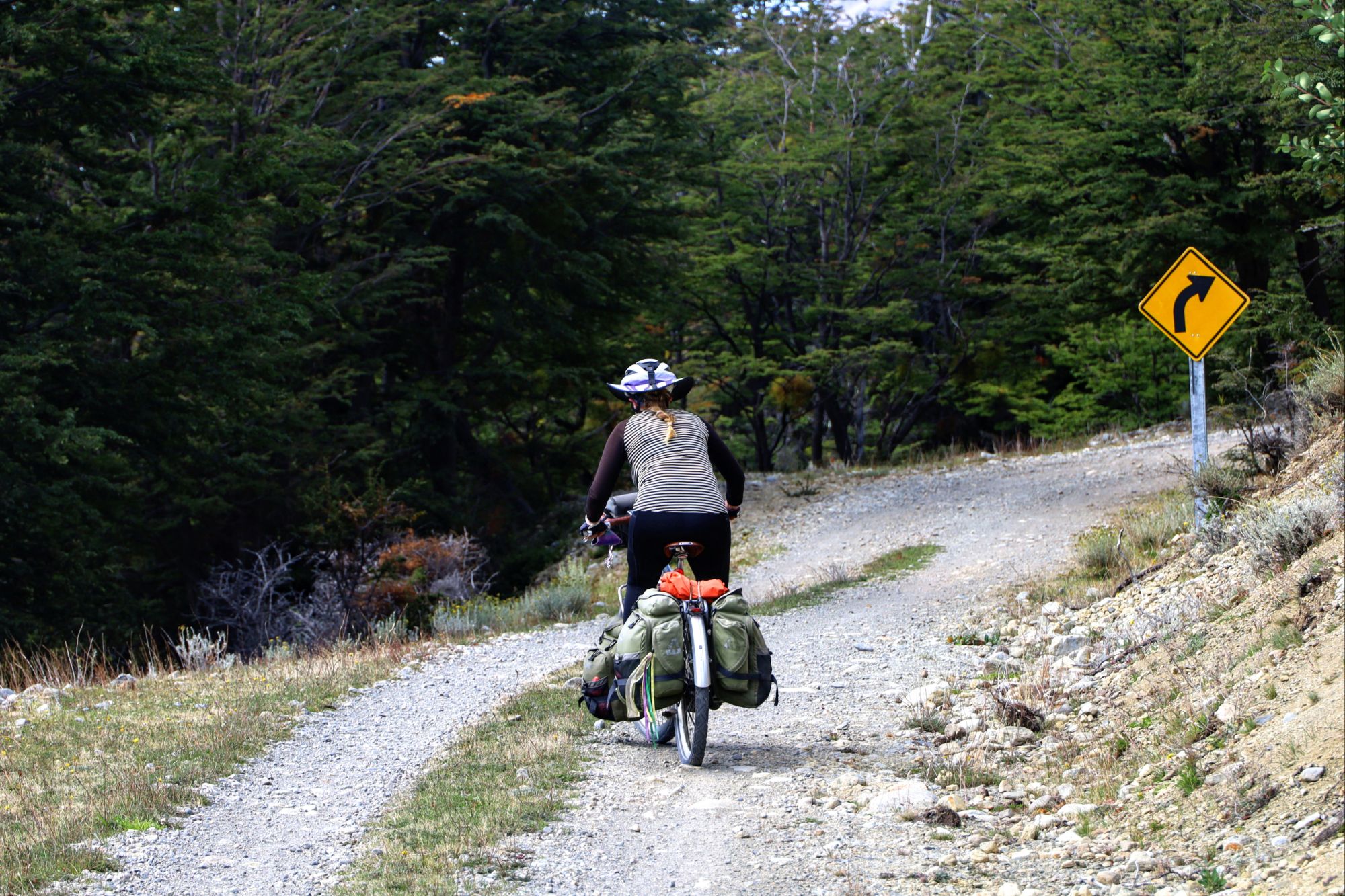
About a mile up the climb, just after I’d handed Rett’s bike back to her on a relatively-flat spot, her chain fell off her front gears. Oops, easy enough to put back on…except, it hadn’t just fallen off the inner ring. The chain itself had split! It was at the Wippermann Connex Quick Link, the really-expensive quick links that I had bought when we switched from 9-speed to 11-speed chains (just before we came to South America), because I didn’t want to lose the easy tool-free chain removal that Shimano had ended after 9-speed. They had worked great (super-easy chain removal really makes transport nicer), but now the pin of one half had broken off from the plate! I realized I had heard a *crack* when I had put more force than I intended to on the last restart up a steep hill in too high of a gear; Wippermann doesn’t say how long their links are supposed to last, but apparently ~3000 miles across one-and-a-half chains is too long!
I was momentarily terrified because I didn’t know if I even had 11-speed links in my kit to repair it with, and we were nearly alone out here in this super-remote place. But of course I eventually found a Shimano quick-link that I had obviously saved from a new chain, the problem was I didn’t really know how to install these “new” tight-fitting links. Eventually I remembered that stomping on the pedals is enough to click it into place. But now we had burned even more unaccounted-for time in our day.
While I was working, Americans Carly and Ben rolled up as the last people who would be heading this way (Ben was one of those who had the wrong border crossing on his salvoconducto too). They graciously stopped (knowing that we would otherwise be totally alone out here), and then even when we got going again, they never got too far ahead of us even though my bike-ferrying meant that I was covering much of the ground twice. I was never quite sure if they were intentionally hanging back a bit just to make sure we were really ok, or if they were genuinely illustrating that the difficulty of the hill wasn’t just in our heads. Either way, we were really glad to to have their intermittent company. They had also decided that they would be getting tomorrow’s boat, so we all congratulated each other on having the time to enjoy the pretty amazing place we were in.
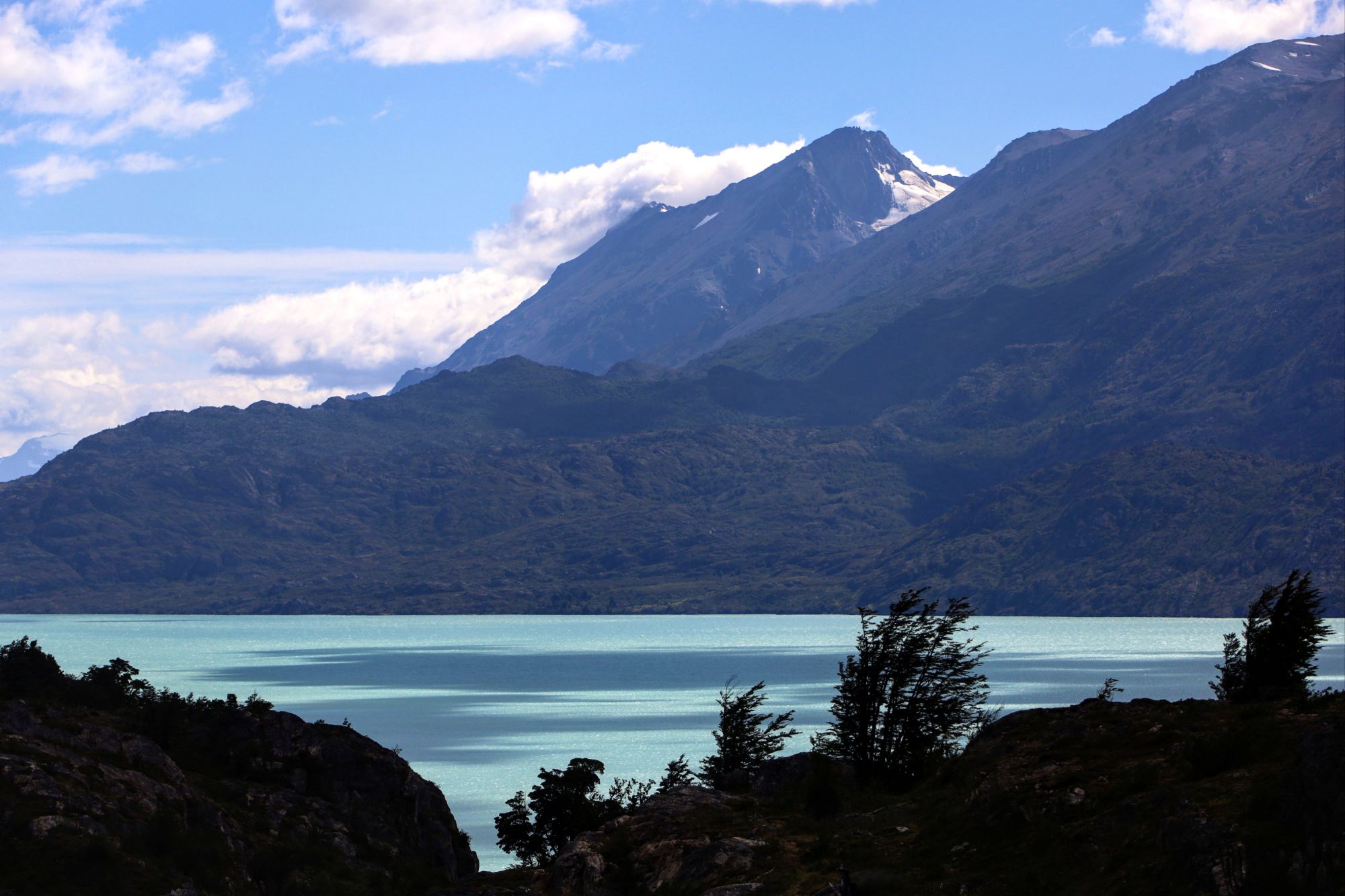
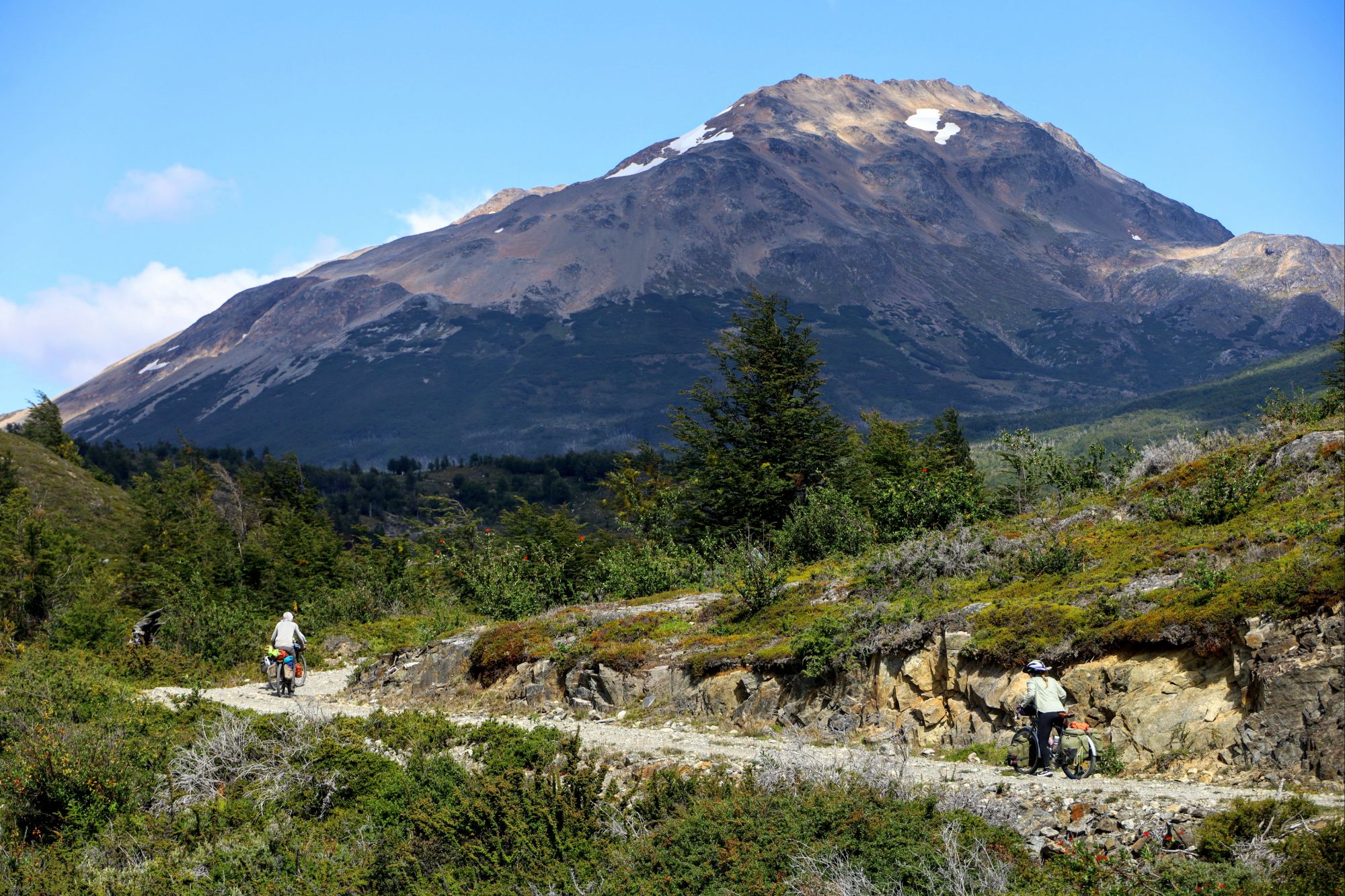
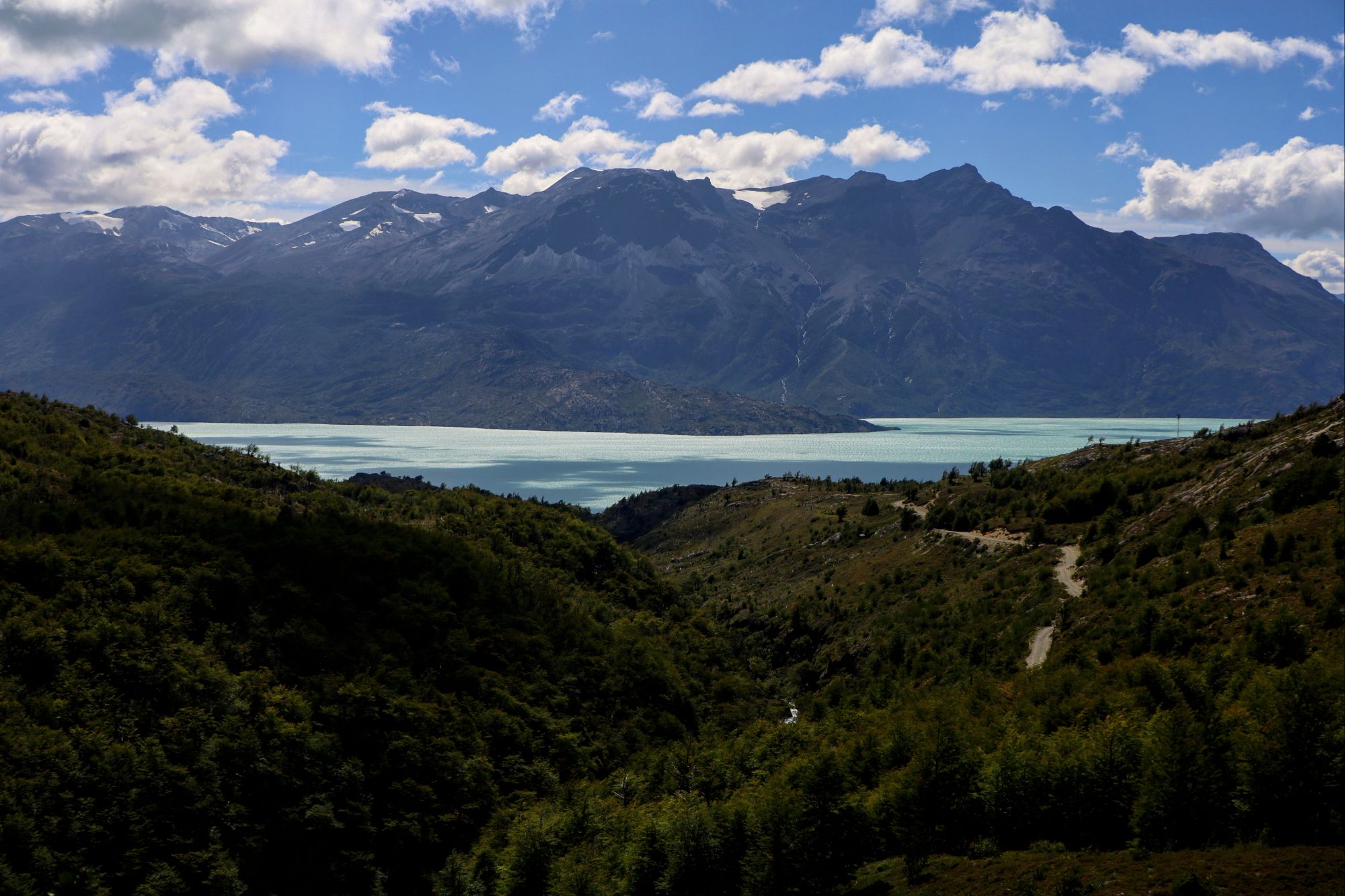
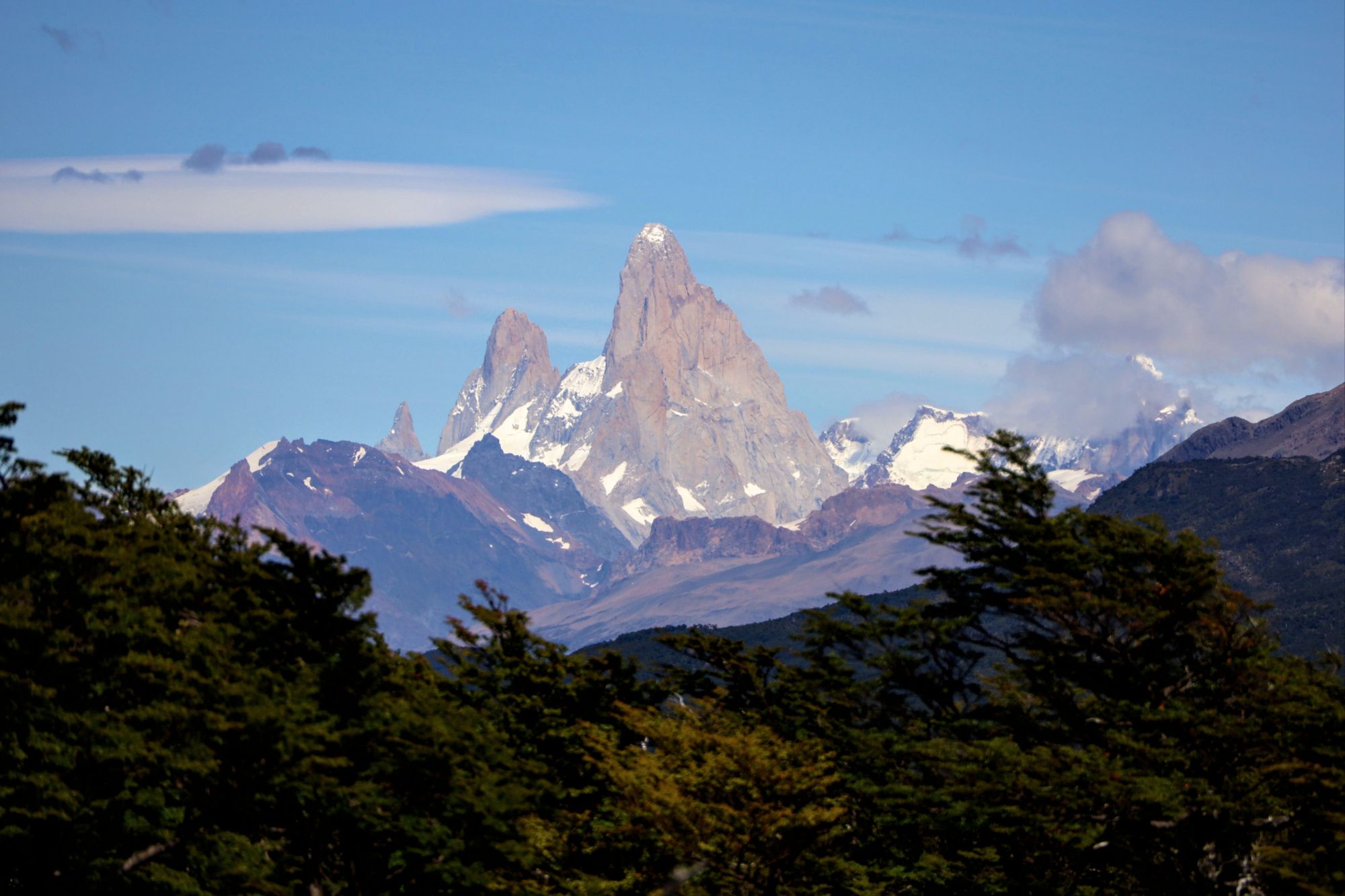
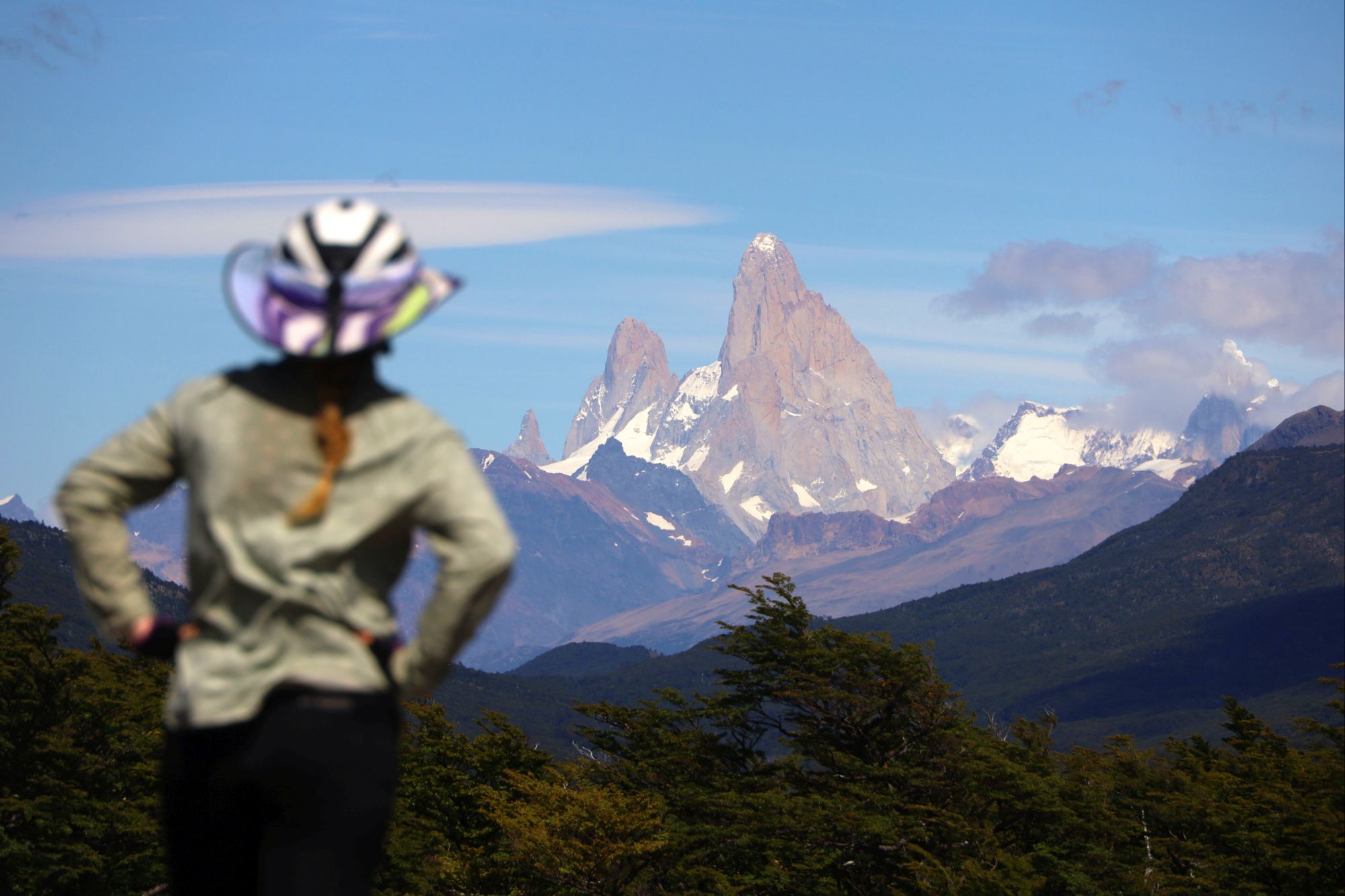
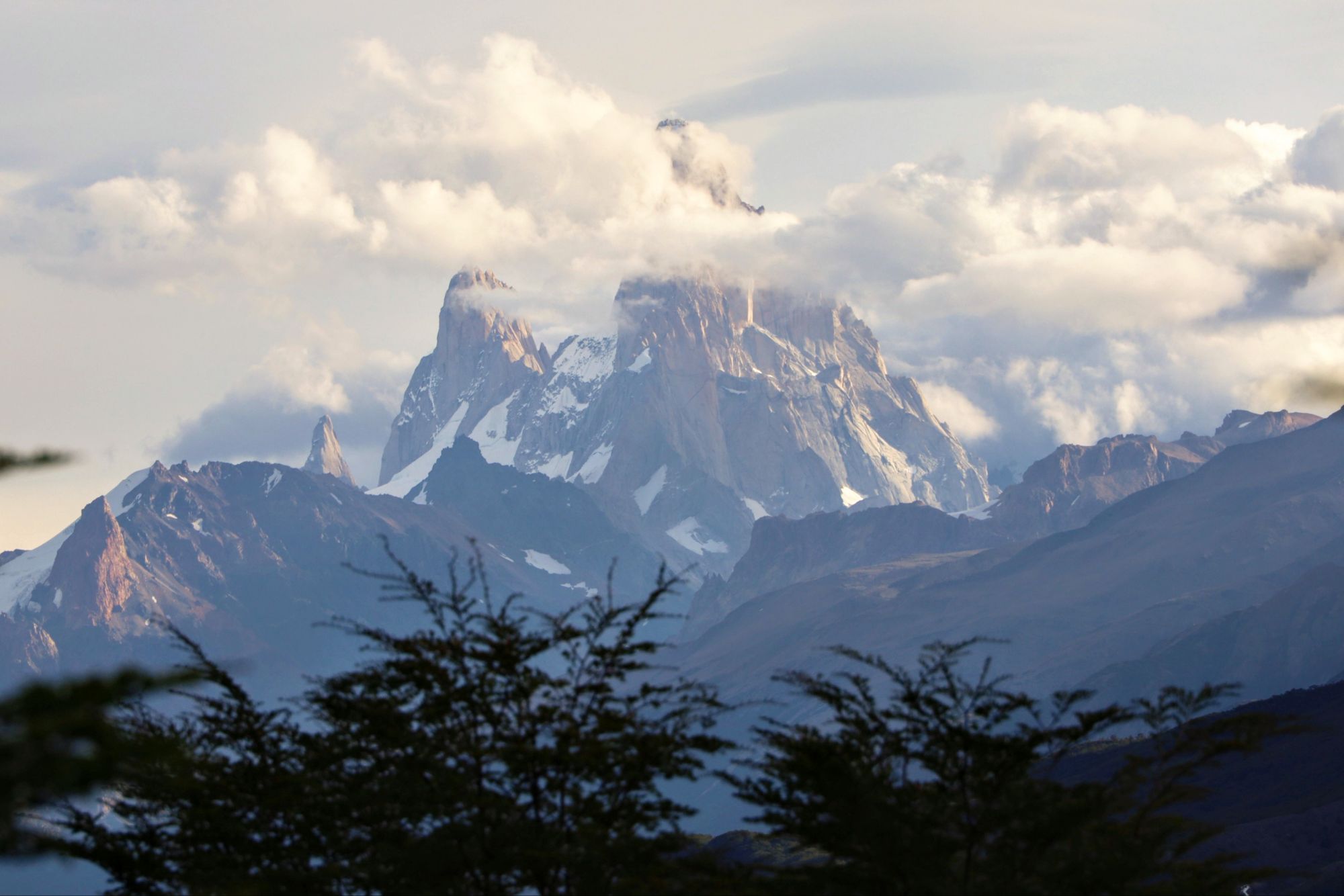
At the top of the hill, we entered Phase 2, the “easy” part of the day: six miles of relatively-flat riding that took us through an incredible forest. All of our research on this traversal had focused on the challenges, so I was unprepared for how beautiful it would be, and I’m glad that we were both able to enjoy it (at least this section!) in high spirits. Even better than the forest, we had lucked into a clear day where our reward at the top of the climb was a view of the incomprehensible Mount Fitz Roy literally towering against the blue sky. We stopped near Carly and Ben to have a second-lunch (tuna-avocado spread on tortillas, we’d had our first serving while waiting in line) at a place where we could marvel at the world-famous mountain, seen from a vantage point that few ever have.
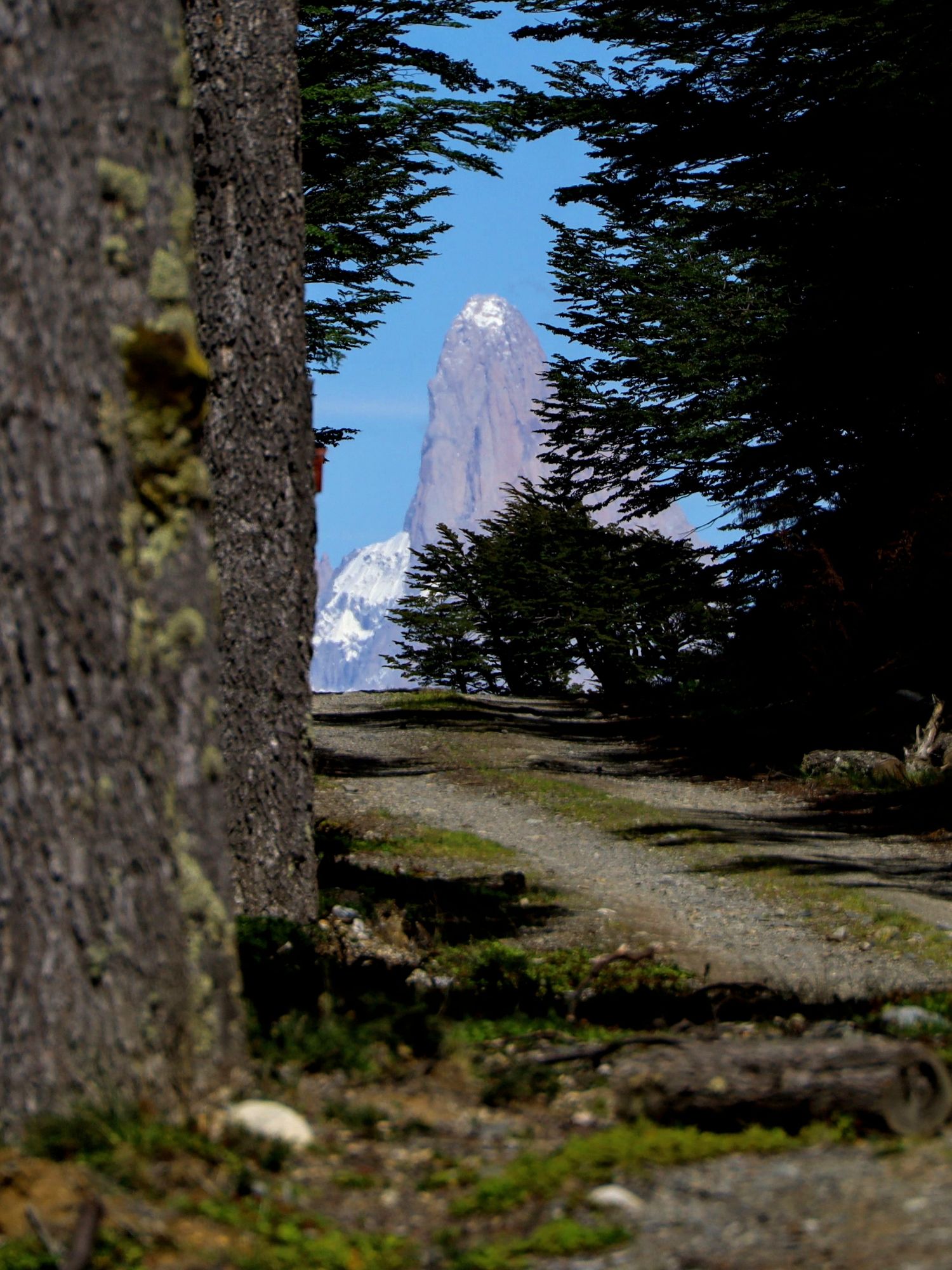
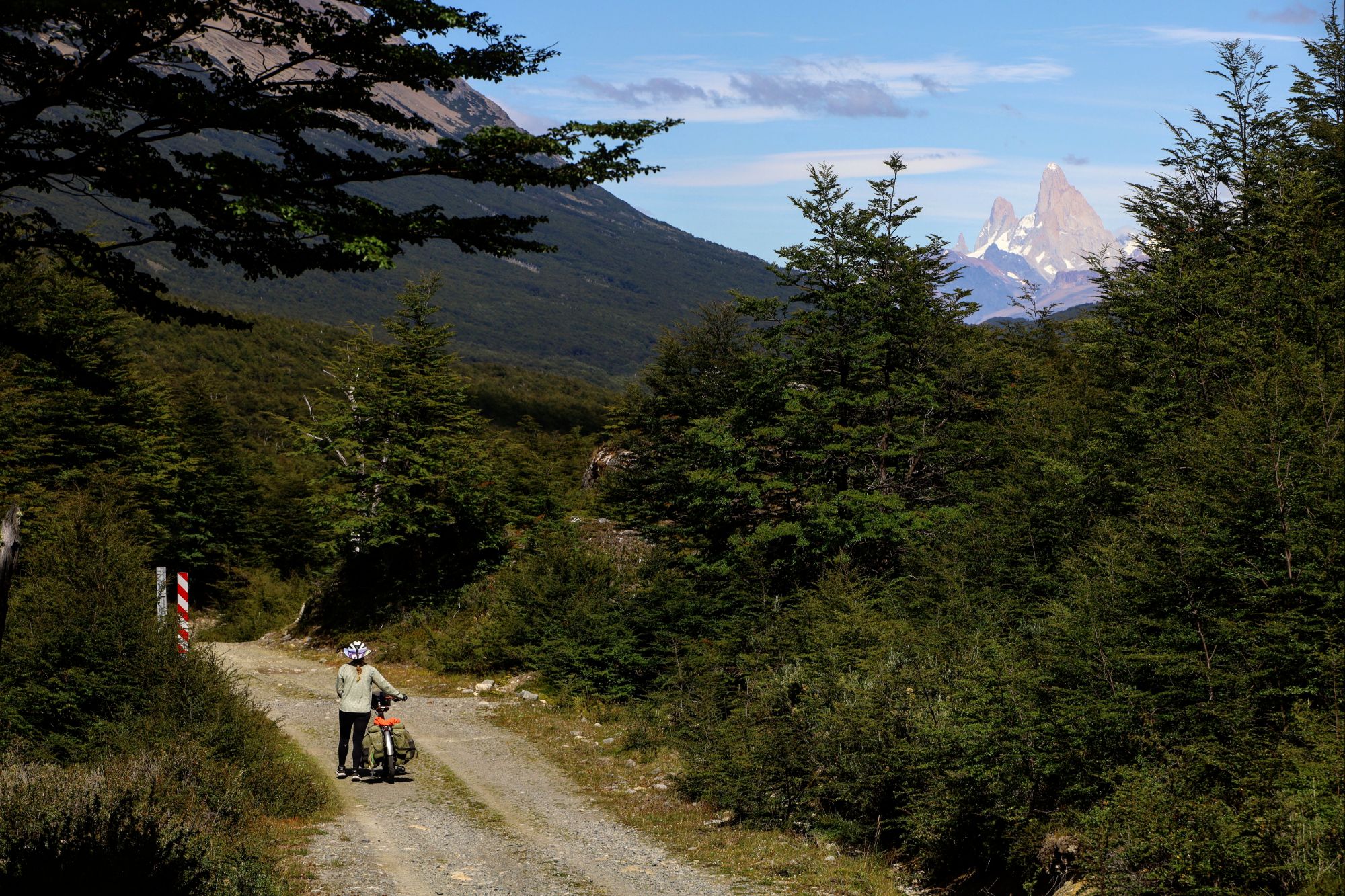
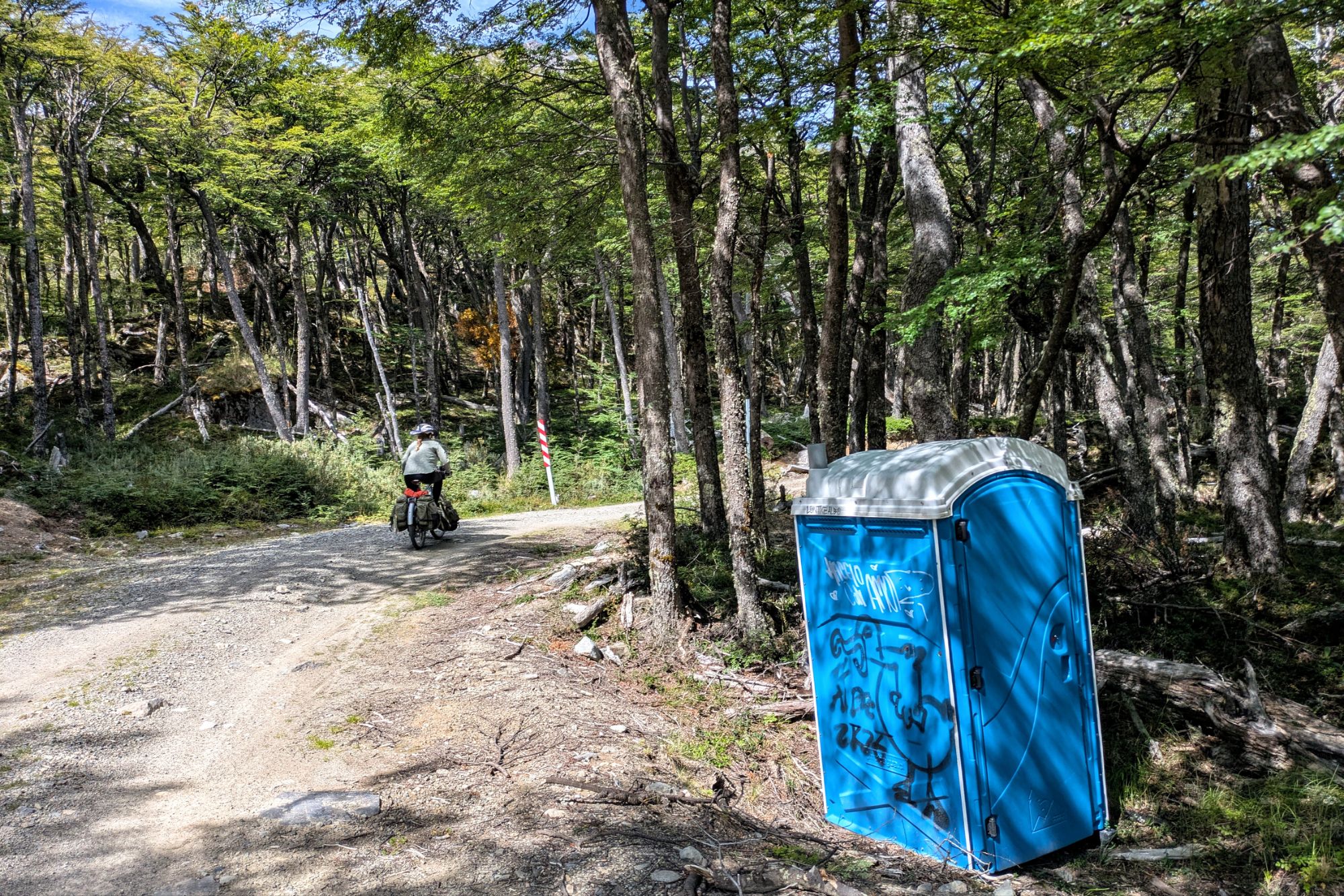
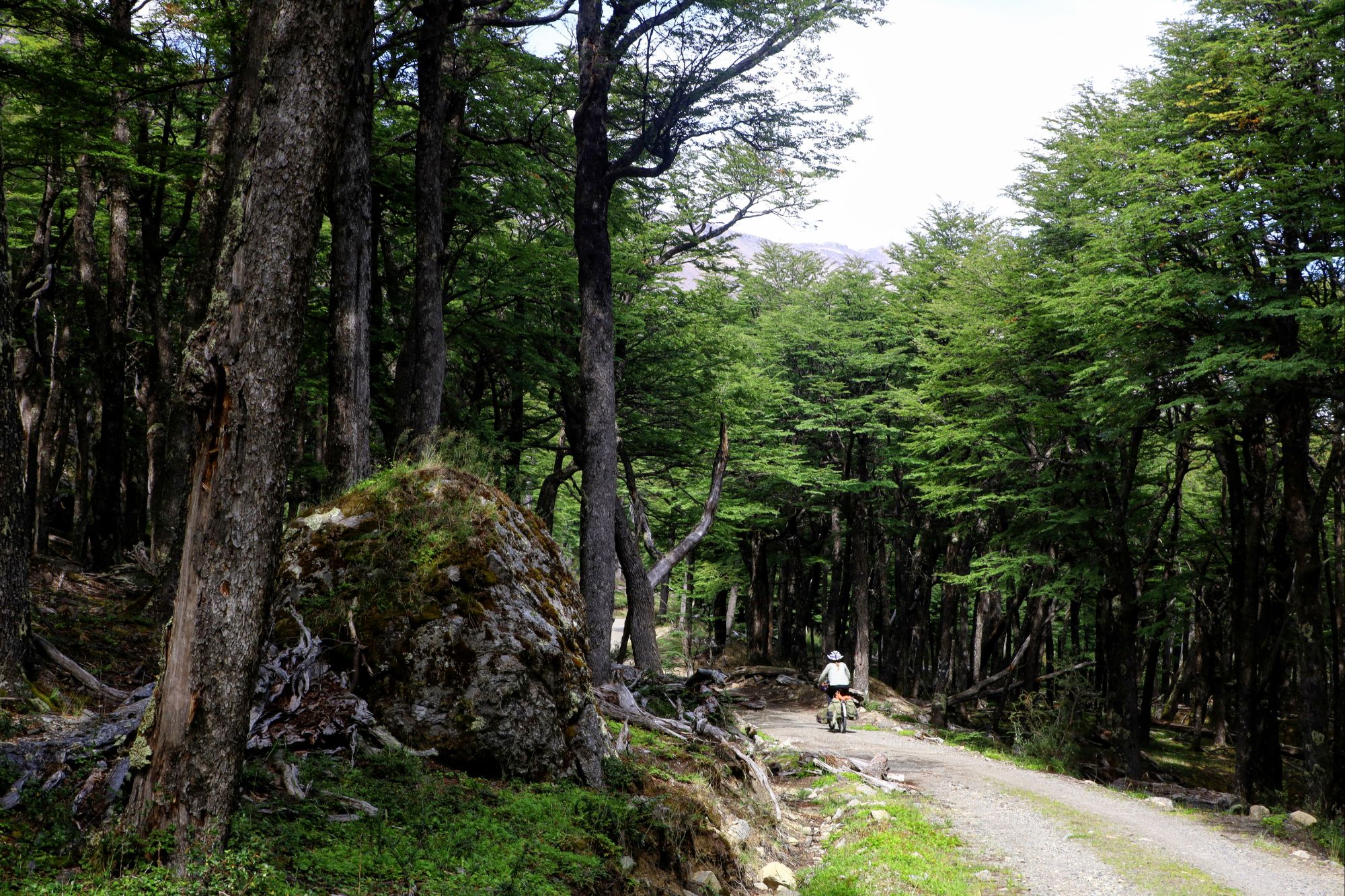
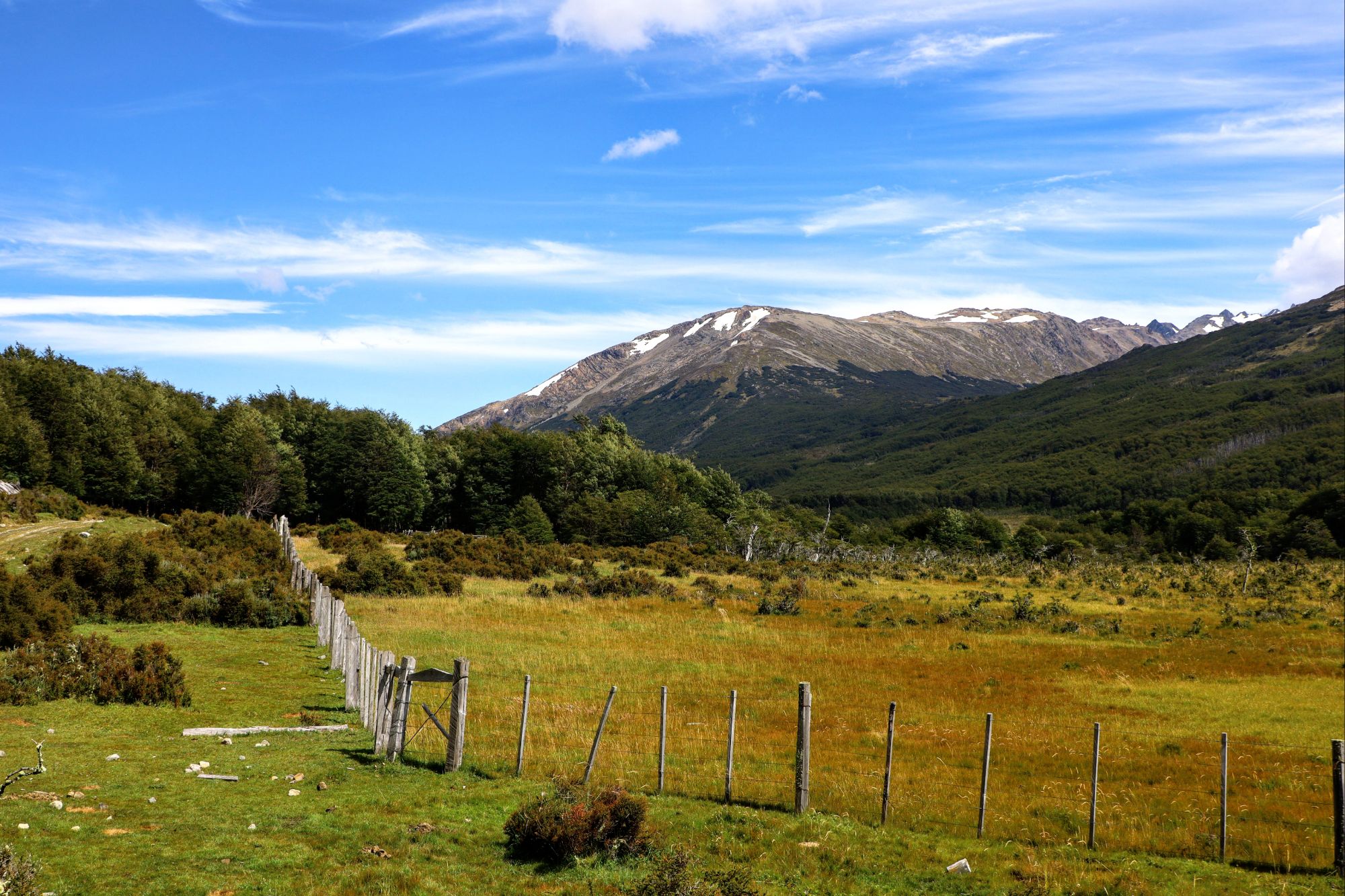
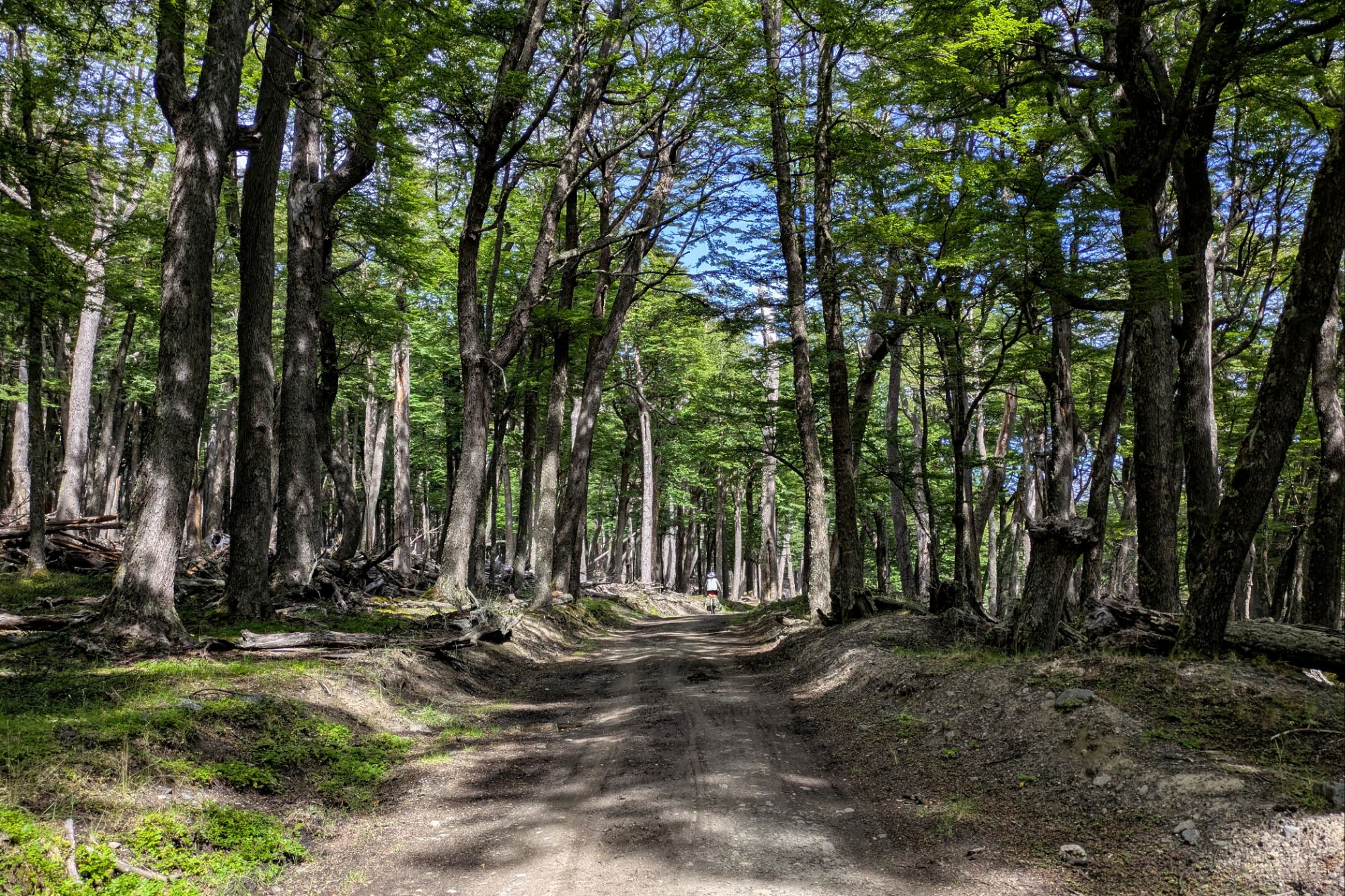
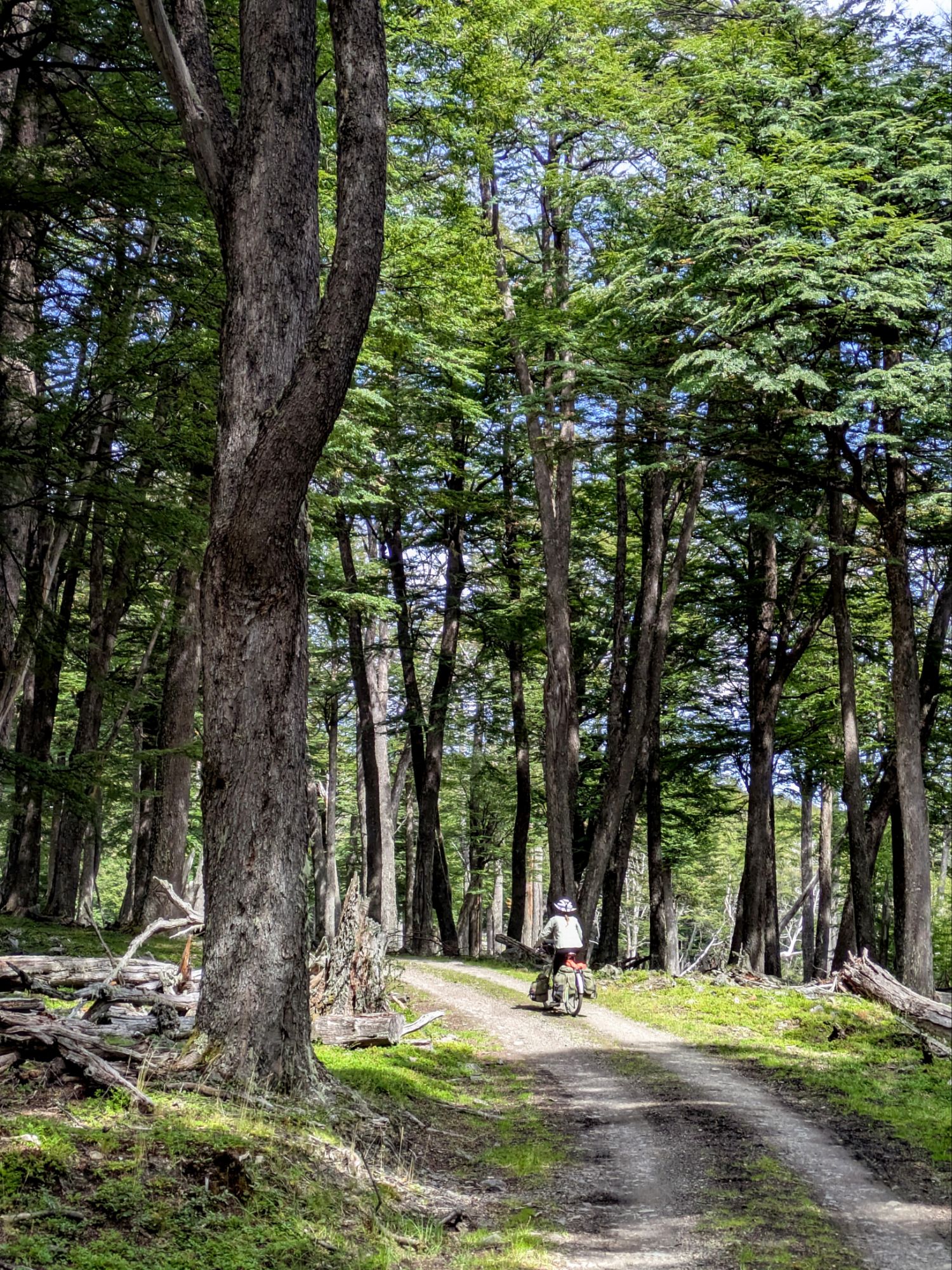
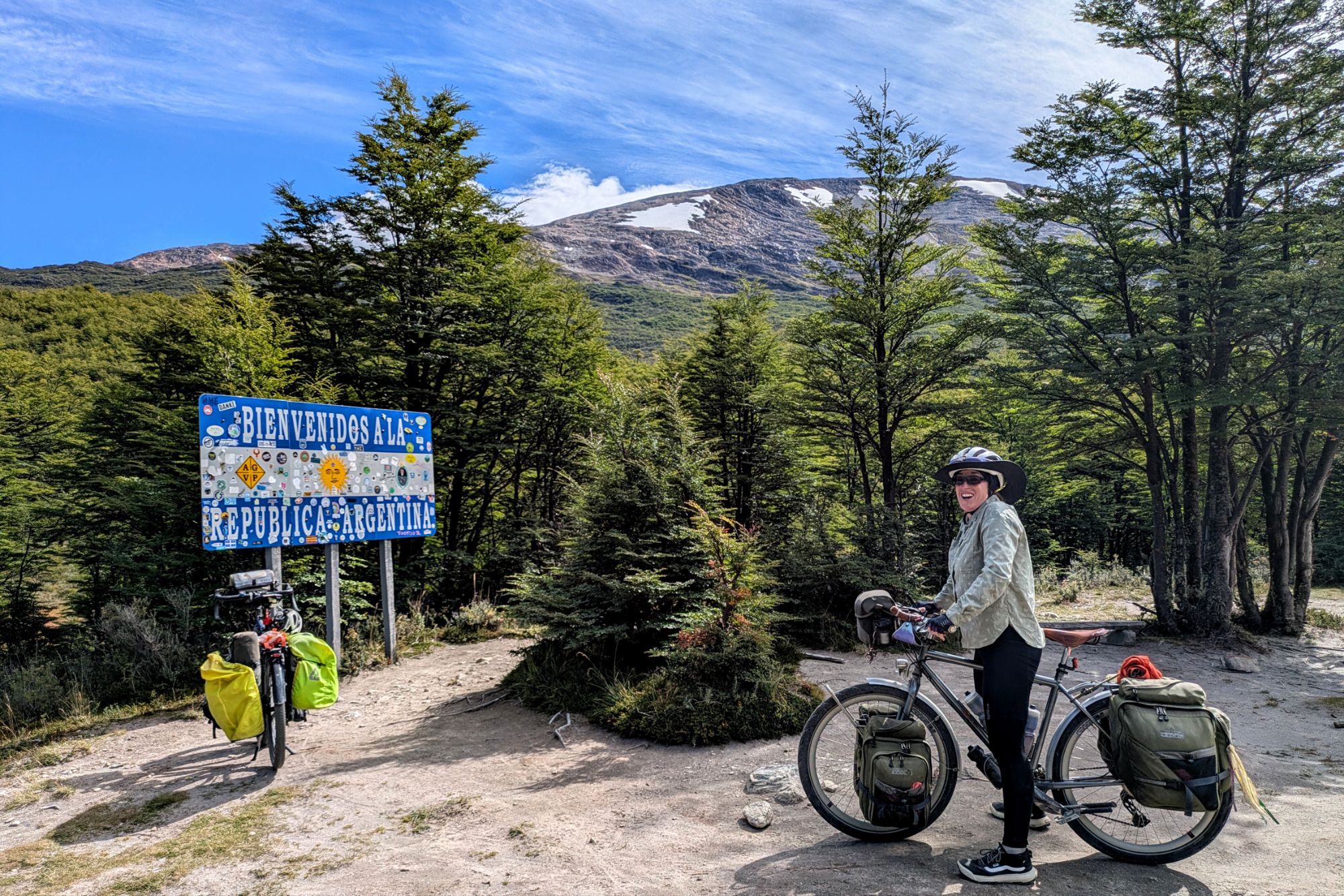
“Easy” Phase 2 ended at the Argentina border, along with the road. Like previous Chile/Argentina crossings, the actual border is miles from the stations on either side of it, but this was easily our most-remote so far. The rideable gravel road immediately turned into a rough hiking trail, and we now had three miles of the dreaded “hike-a-bike”. Some people (like Carly and Ben with their light-and-narrow mountain-bike bikepacking setups) could ride portions of it, but I had already determined that would be impossible for us, so I had calculated that it was worth the time to remove our pedals so that there would be one less thing to get snagged on, and we wouldn’t have to worry about them slamming into our legs. Since our front panniers sit only a few inches above the ground, I also removed both of mine, strapping one to my rear rack and putting the backpack on my back (after Rett reminded me that we could do that). Rett doesn’t like wearing her backpack pannier, so we only took off one of hers and put it on her rear rack, but just that narrowing was helpful.
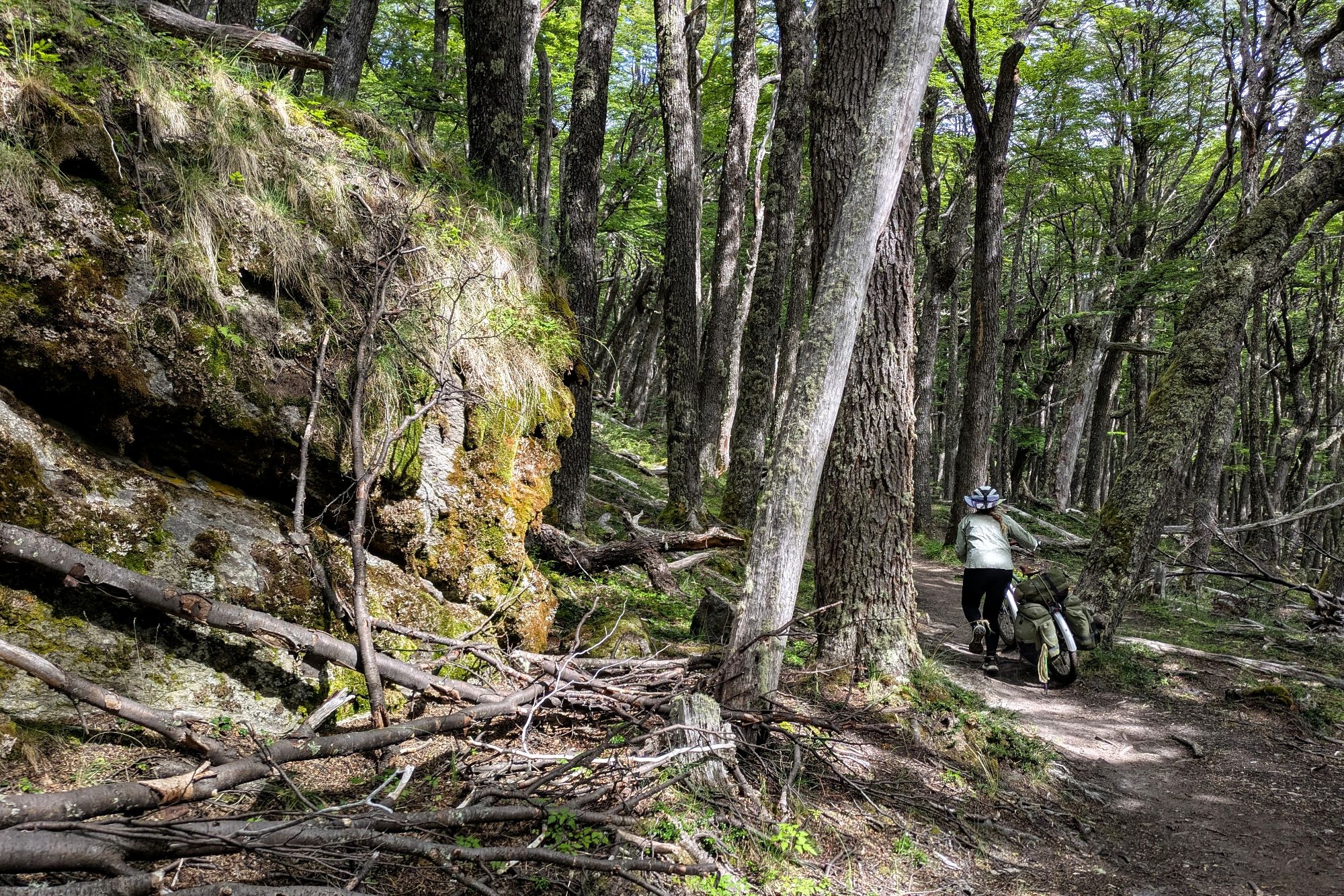
We reached the border around 3:30pm (12 hours after waking up), and it took us four hours to hike the 3.4 miles, a distance we could walk on a road (even with the bikes) in an hour. And that was even with good conditions: no rain, comfortable temperatures, and most-importantly, relatively-little mud or standing water on the trail (the many “bypass” paths, created when the main path was flooded, but unnecessary for us, showed how much worse it could have been). And it was still brutally difficult, especially for Rett. Whether due to unfamiliarity with how to best achieve leverage in the novel situations presented by roots, rocks, and fallen logs, or the basic limits of her strength, there were dozens of times where I had to take her bike over or around something. Though there were certainly times when I also needed her help pushing on the rear of my bike too to get up a super-steep slope.
There were only a few fallen trunks big enough that we needed to work together to hoist our bikes over, and we only needed to remove our panniers a handful of times. The dozens of stream crossings probably took the most time, with each one requiring some scouting and analysis on the best route, usually a choice between using some sort of ad-hoc “bridge” that other hikers/bikers had assembled from gathered branches, or avoiding it. I would frequently take our bikes across one route while Rett would ferry bags on another, but that actually gave her the more-challenging job, since she couldn’t use the bikes for balance like I could. Only at the final crossing did we hit enough water where I needed to take off my shoes and just walk through the river, but that was preceded with us shouting at each other in frustration and exhaustion, as Rett wanted to just plow ahead while I wanted to remain strategic. My biggest concern was one of us getting injured out where there was essentially no chance of rescue, and even though Rett did fall a few times (including at that crossing, when she leaned to far to yank a heavy bag from me on an unstable slope), luckily they were “only” bruising falls.
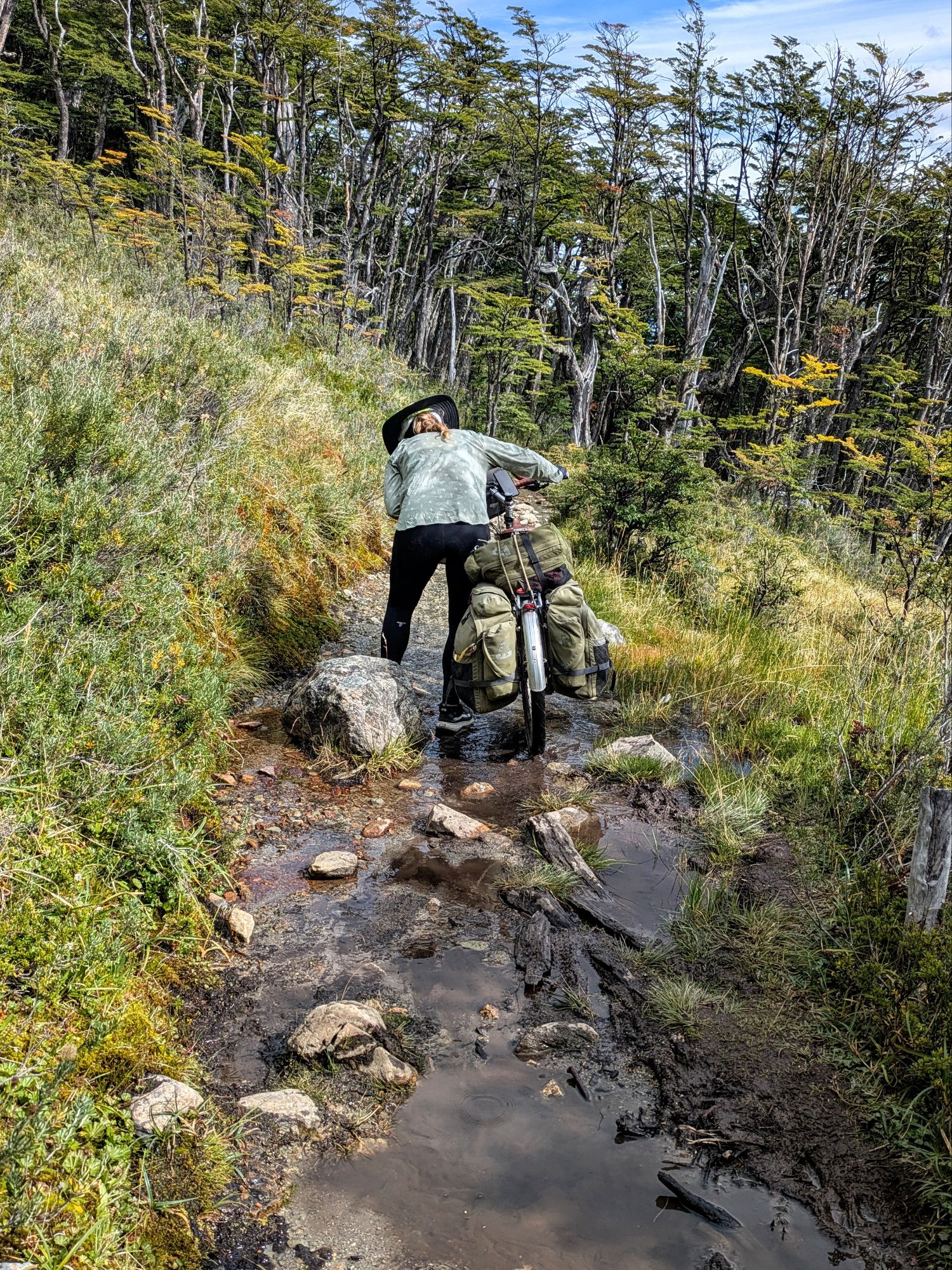
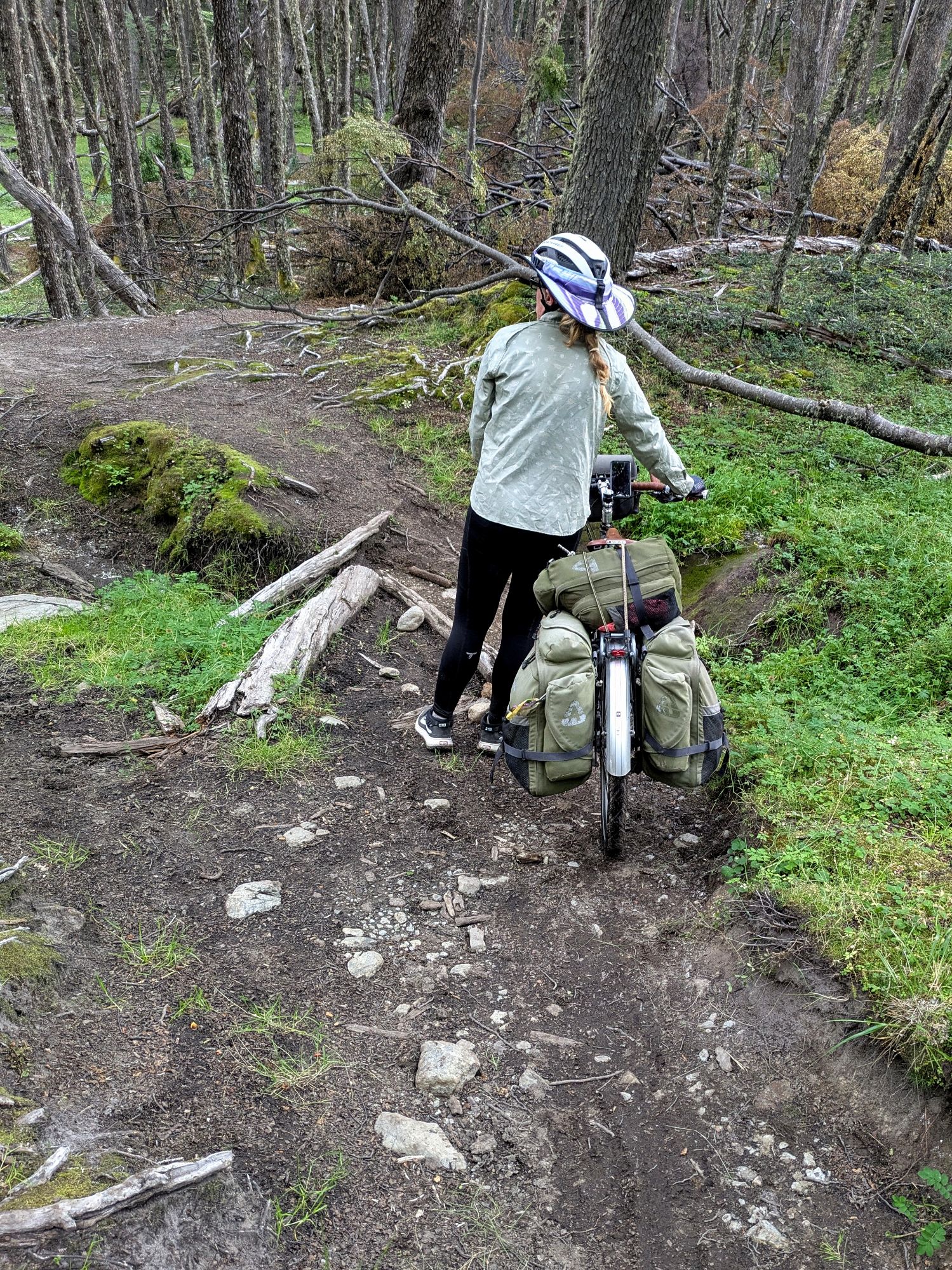
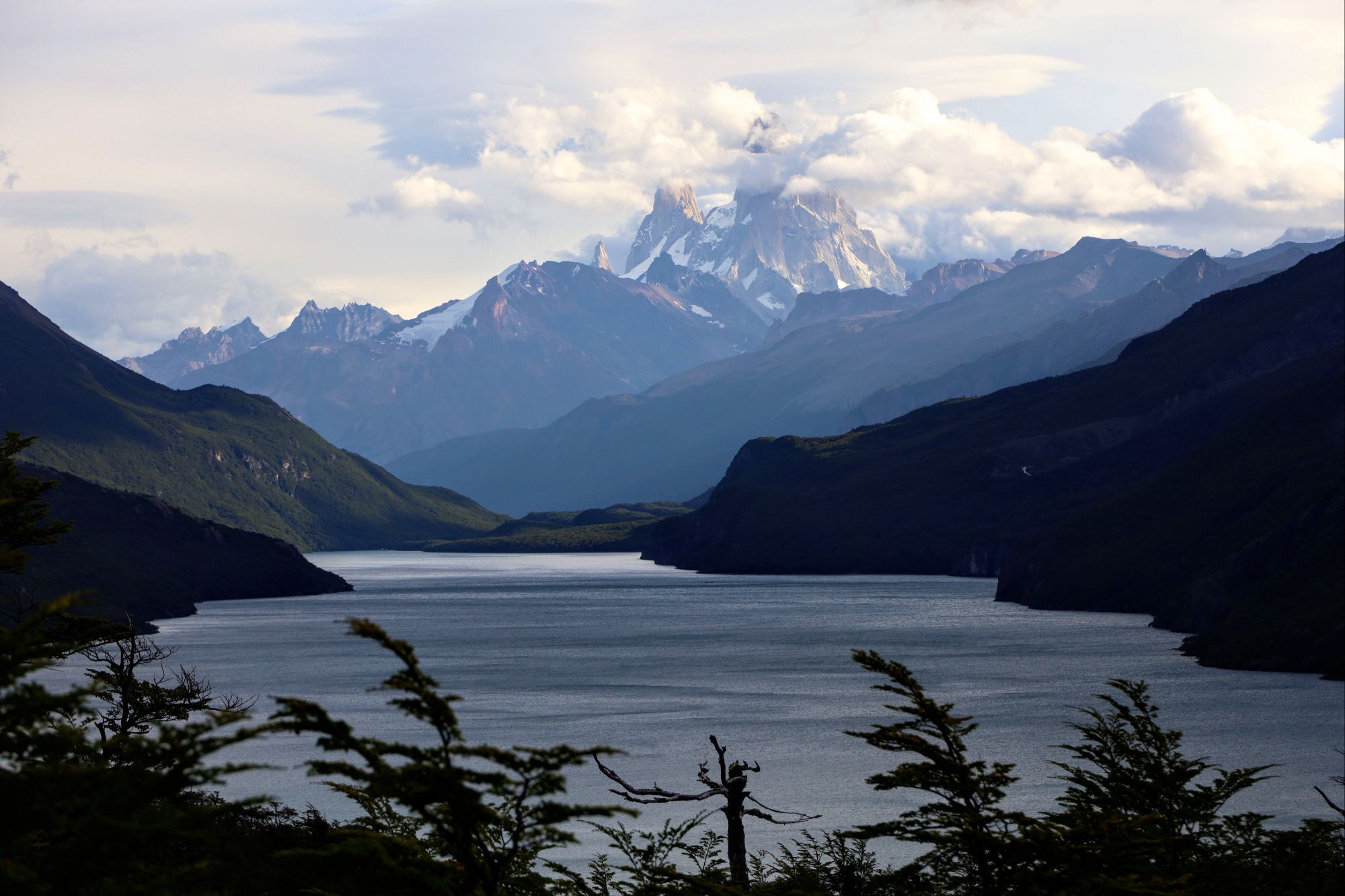
It was 7:30pm when we finally limped into the Argentina border station on the north shore of Lago del Desierto (meaning that even if we hadn’t had any of our unexpected delays, we would have had no chance of making the 5pm ferry!) The “office” was just a wooden table in a room at one end of the officer’s house, where he logged our passport information with a pen and paper, and gave our passports a physical stamp. And a final question: were we the last ones out there, so he could finally retire for the evening? Yes, definitely!
In the fading light, we walked across a rolling field to an area where several hikers and four of our fellow cyclists had pitched their tents (meaning that the majority of cyclists from our boats had made the 5pm ferry). I picked a spot under the trees near a hillside, hoping for some wind and rain protection. With the lake running away from us and pointing to Fitz Roy, it was probably a world-class campsite if we’d had the energy (and daylight) to take it all in. But getting camp set up and dinner cooked was the priority, and Rett did amazingly well at keeping her strength up for those tasks.
Our spirits were definitely lifted by the smoked Old Fashioneds that she had secretly smuggled in our wine pouch all the way from our Christmas in Puerto Montt, saved just for this occasion. Normally I would have questioned whether carrying the liquid weight was worth the extra effort required to lift it over every hill along the Carretera Austral, but in this case the answer was obvious: yes. It was also nice to have Carly and Ben (who beat us in by at least an hour) stroll up from their lakeside site (I think with wine in hand) to welcome us and commiserate. At least for a 10-minute period, sitting in our chairs with our backs to a tree blackened by dusk, and our glowing stove heating water at our feet, I could finally feel that sense of accomplishment that my subconscious didn’t allow when we’d reached Villa O’Higgins (precisely because the knowledge that this very day remained looming in front of us wouldn’t allow it!)
For weeks I had pressed Rett to research what this day would truly be like, and to seriously consider alternates. Because I had grave doubts that it was within our capabilities. There aren’t a lot of options if you ride all the way to the “dead end” of Villa O’Higgins, but the Shaws, having run this gauntlet seven years ago, decided this time to simply turn around at Villa O’Higgins. Debs and Tom had bypassed this section by taking a ferry from Puerto Yungay (a couple days before Villa O’Higgins) south to Puerto Natales. And dozens of people here to “ride the Carretera Austral” return their rented bikes at Villa O’Higgins and take a bus back north. But she had still wanted to plow forward.
It was cold comfort to learn that my doubts had been 100% valid, and I think Rett would agree; she declared it the most physically-demanding thing she has ever done. Even now that we made it through alive, I’m still not sure that it was the right choice for us. The light of tomorrow will be necessary to clarify that answer.


Leave a Reply