
21.1 mi / 7.8 mph / 1602 ft. climbing
Home: Laura’s AirBNB
We had only 21 miles to ride to our AirBNB in Plymouth (where we would be staying for 10 days), and usually that would mean staying right up until checkout time at our current place to minimize the wait to check in to our new place. But we didn’t even make it to our annoyingly-early official checkout time of 10am, instead clearing out by 9:15am. I knew it was an overreaction to the brutal hills and other challenges of recent days, but it was an understandable overreaction; the only thing that would be able to convince Rett that riding could get easier in England was doing a ride that was easier.
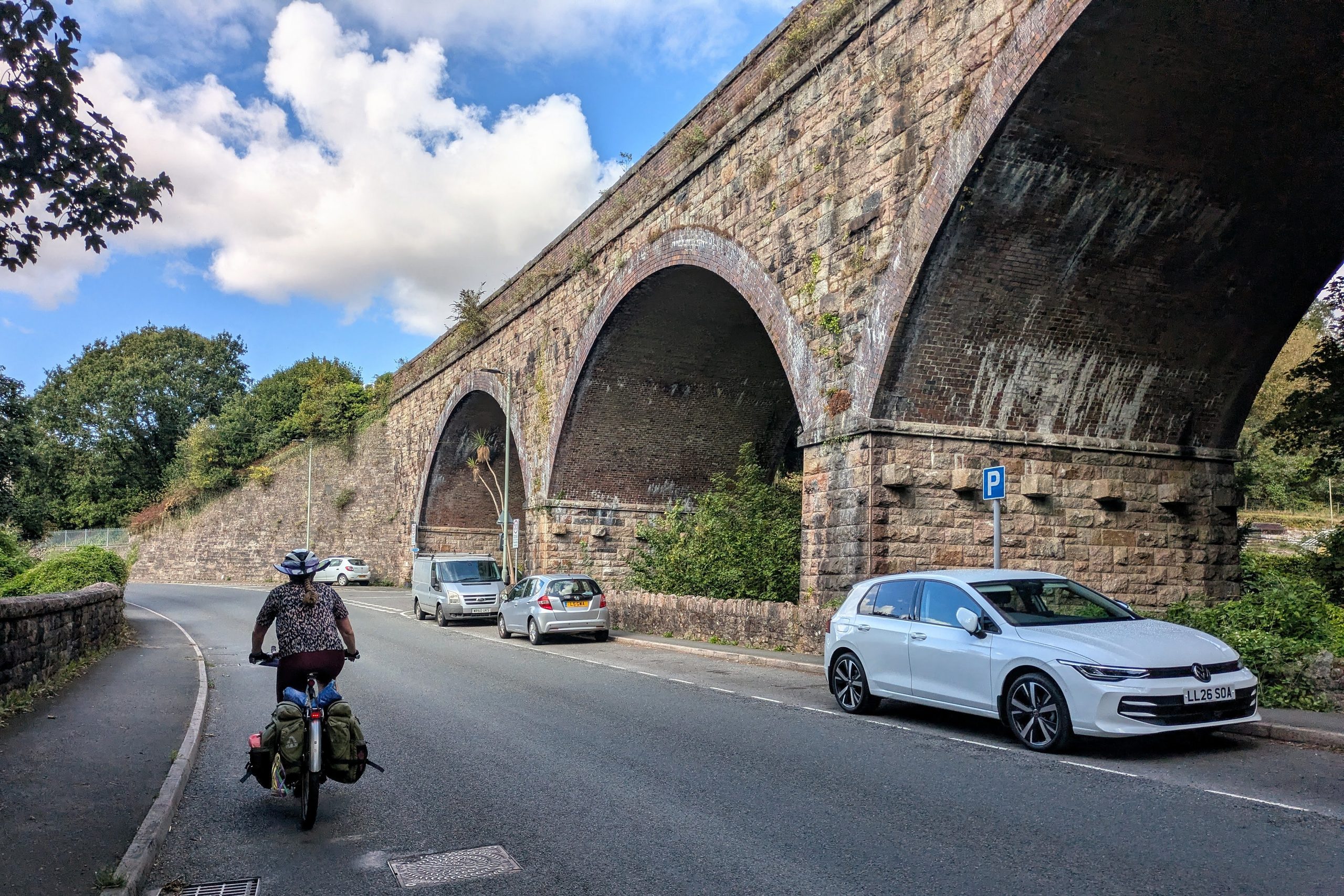
I knew the start certainly wouldn’t be easier. We’d begin by completing yesterday’s downhill into the deep valley carved by the River Avon (not the same one that goes through Bath), crossing a small bridge, and then climbing 500 feet back up the other side. And since that would all be on extremely-minor backroads, that meant it would be steep. But, better to face the toughest stuff with early-morning energy, attitude, and cool.
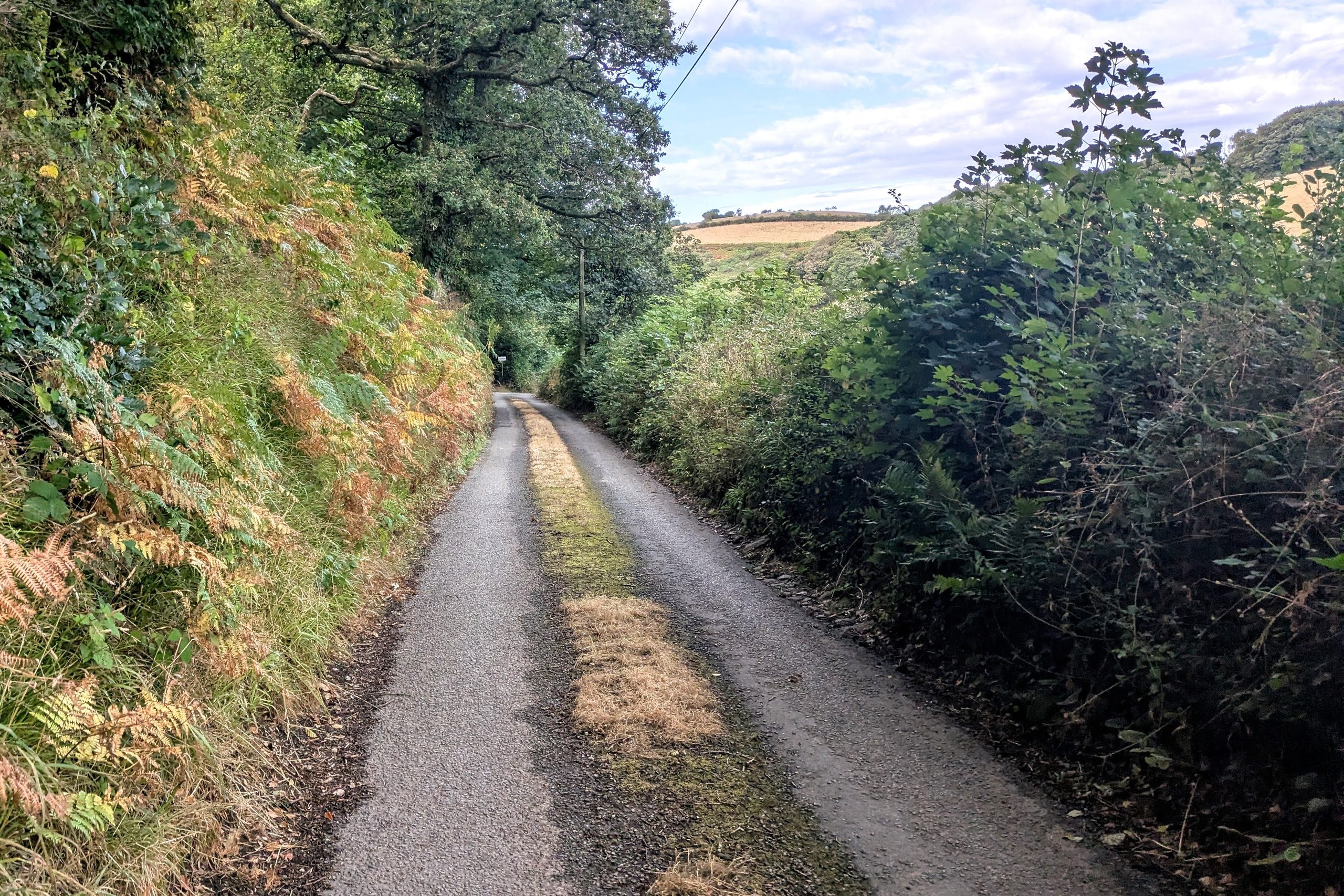
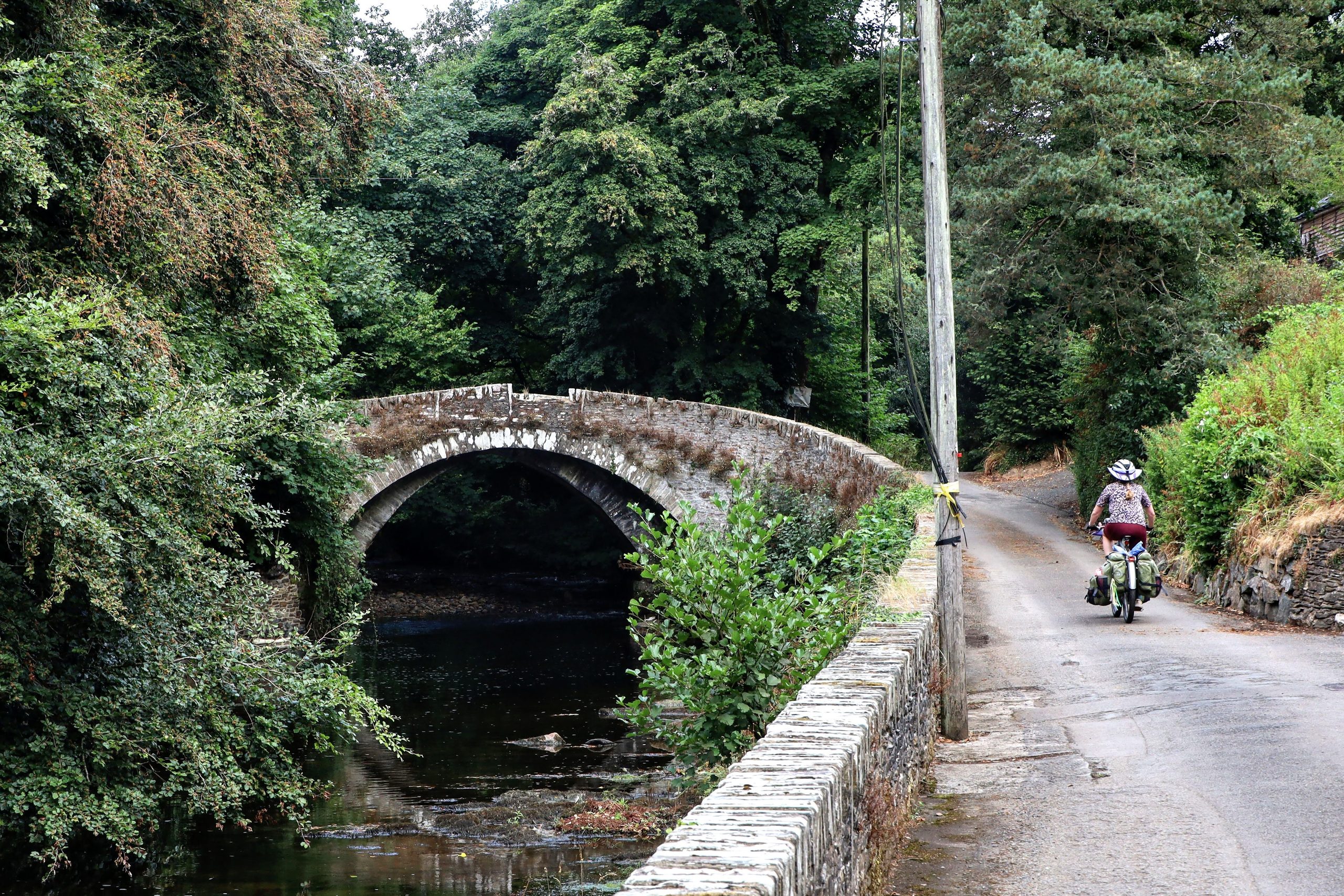
However, the peace from traffic (that is part of the implicit deal we make with these minor roads in exchange for their steepness) didn’t quite come to fruition. Sure there were maybe only 6 or 8 cars, but when each encounter requires a negotiation, that’s a lot more than there should be! For a couple of them we squeezed ourselves into bike-sized gaps in the hedge-wall (which was nice, usually micro-widenings like that don’t exist), and for another we dashed uphill (pushing the bikes) to a wide spot where another car had already backed in, in order to let a downhill car past (each of us was essentially pressed right into the car’s fenders on each side, the only available gaps). And then finally at the top and the connection to a bigger road, an oncoming driver backed up back into traffic on the road he had just turned off, in order to let us out. Whew.
That B-road that we turned onto happened to be as busy as a minor A-road, but thankfully the drivers still had B-road expectations. Meaning they were always prepared for a narrowing that would prevent two-way travel, whether that narrowing was due to the roadway itself, or a couple of wide cyclists filling it. But while its B status meant that the hills were somewhat milder, it still had challenging hills mixed in with the higher traffic volumes, so thus far Rett was right to disbelieve my “today will be easier!” claims.
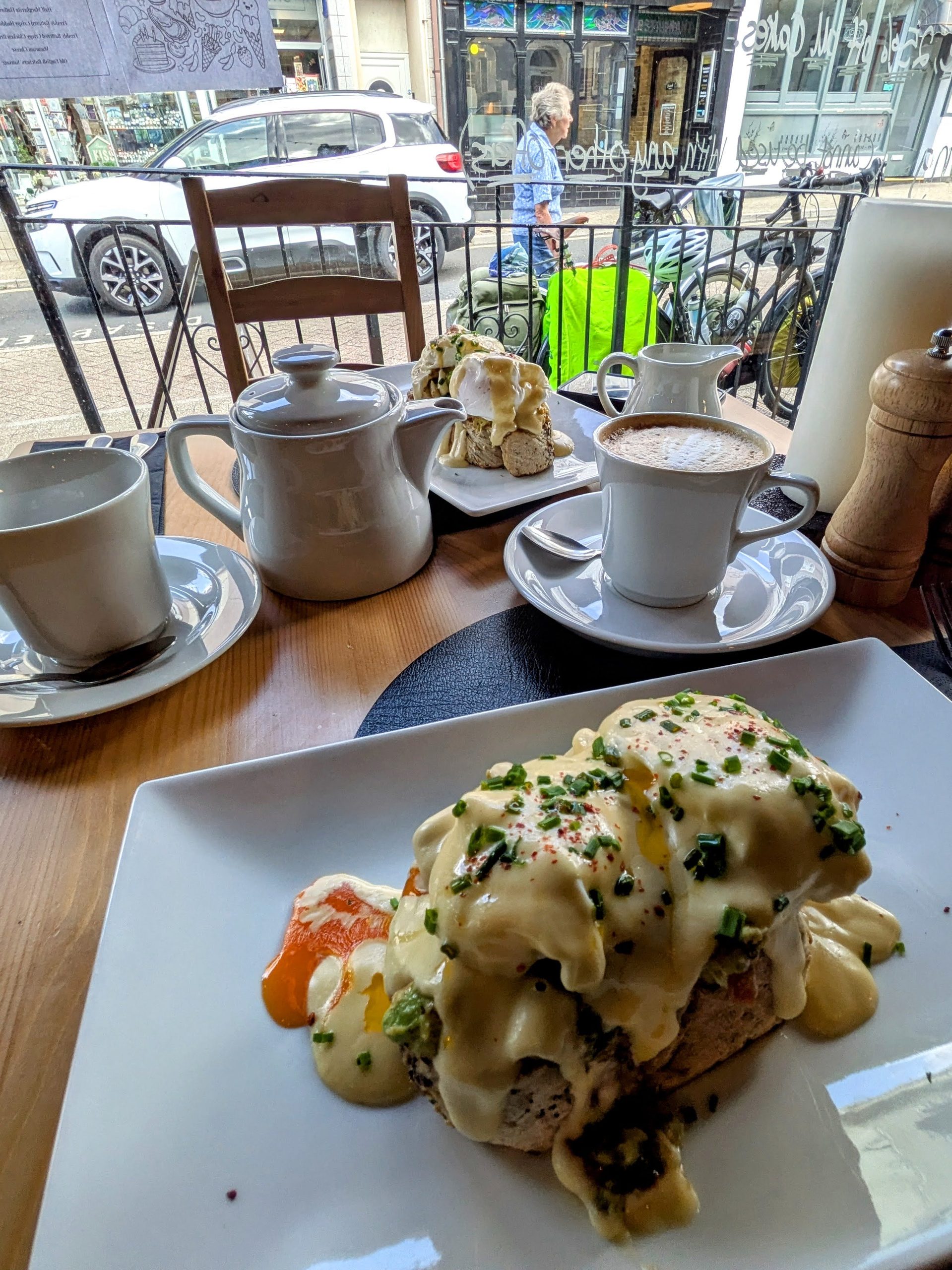
But then finally we were able to turn off onto a C-road, and the rest of the day from there on proved I wasn’t a liar. We reached our halfway point at Ivybridge, and with only 10 miles to go and most of the hills clearly behind us, Rett finally believed that we’d make it to Plymouth well before 3pm. So we killed some time by getting a really good brunch (our second in two days!) at Stu’s. While inside, a woman asked about Rett’s “Da Brim” helmet visor, and then outside, a woman stopped to reminisce about her adventurous father who went bike touring in Iceland in the 1962 (and nearly independently invented “mountain biking” in the process)! And we thought the BikeCentennial riders in 1976 were true pioneers!
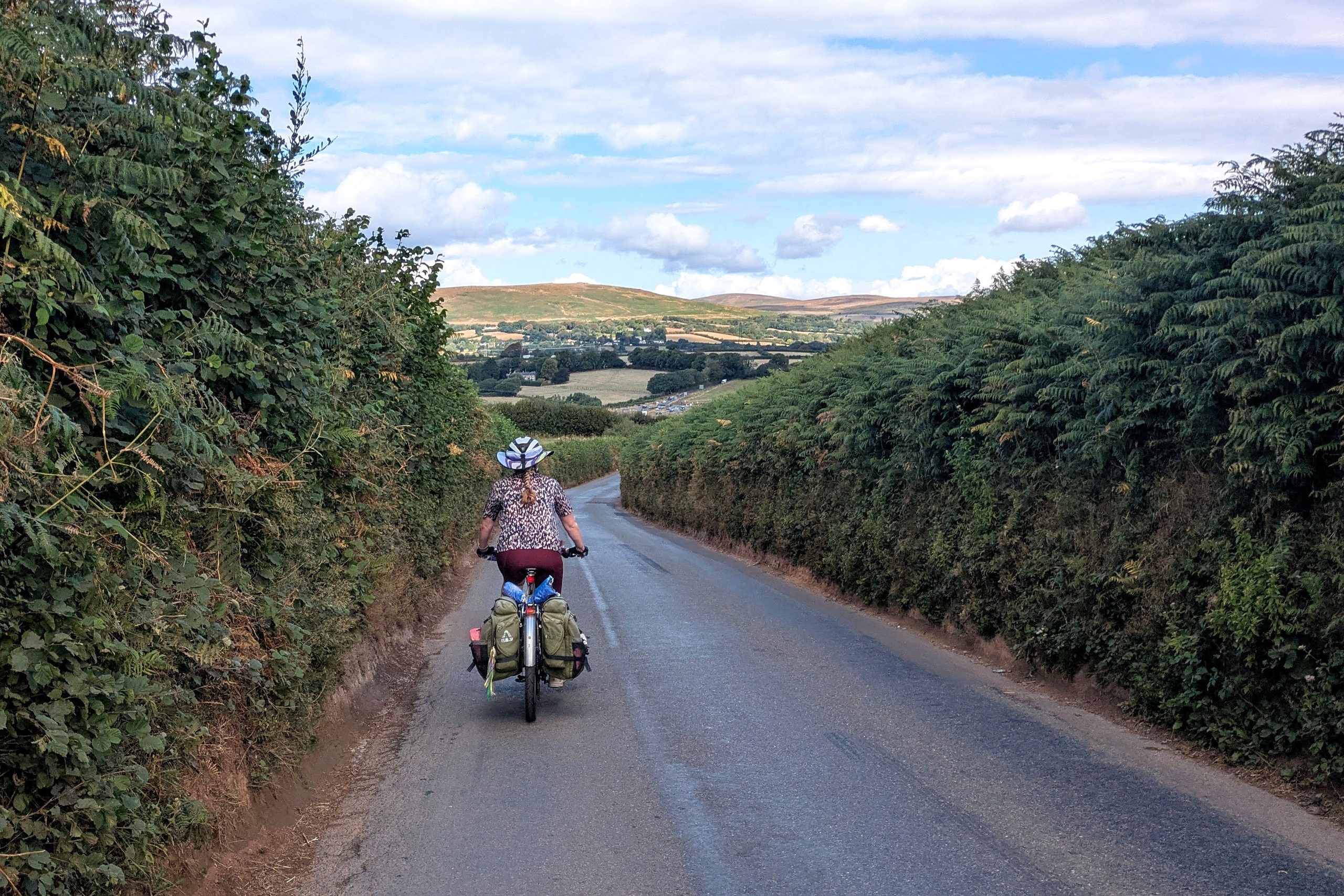
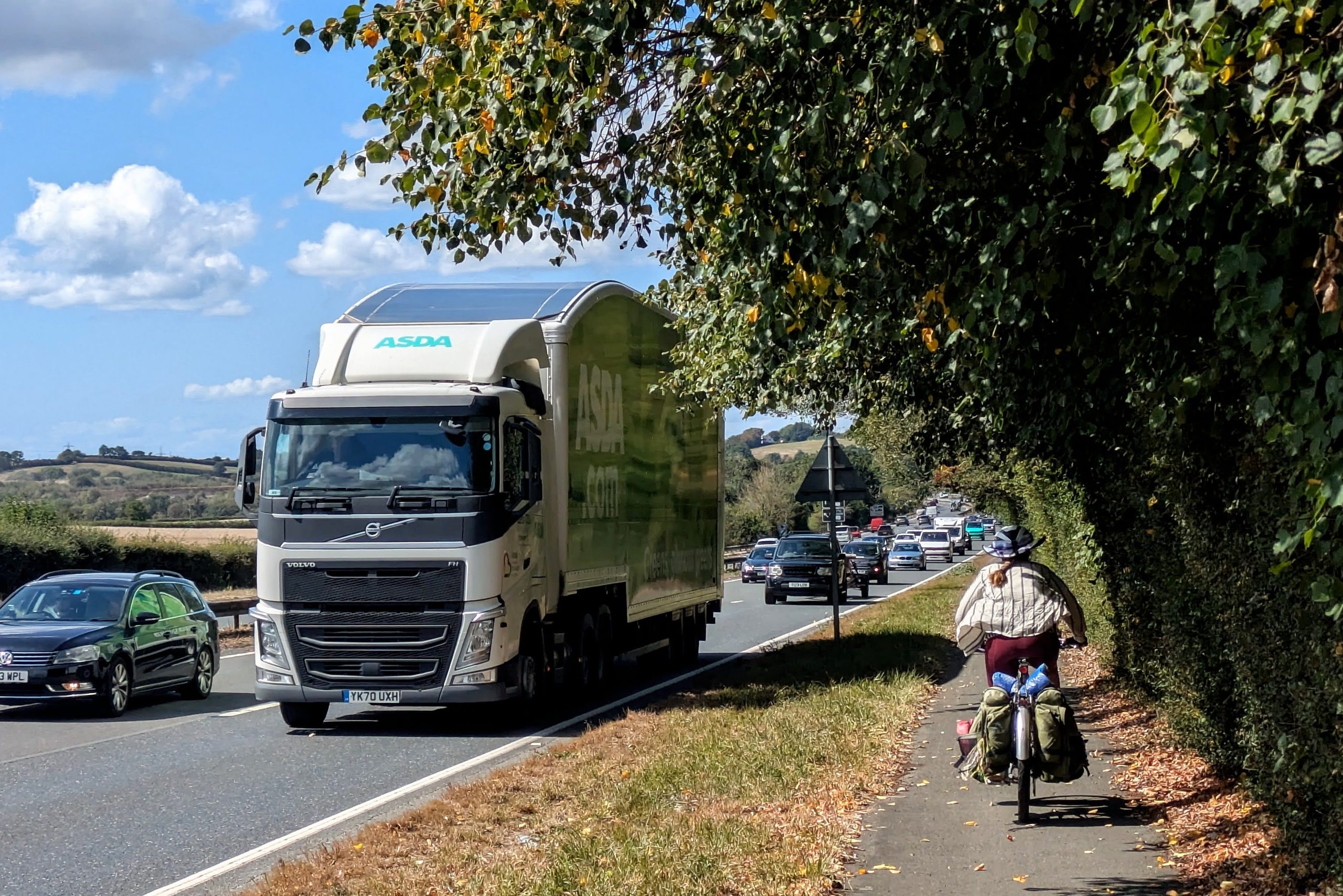
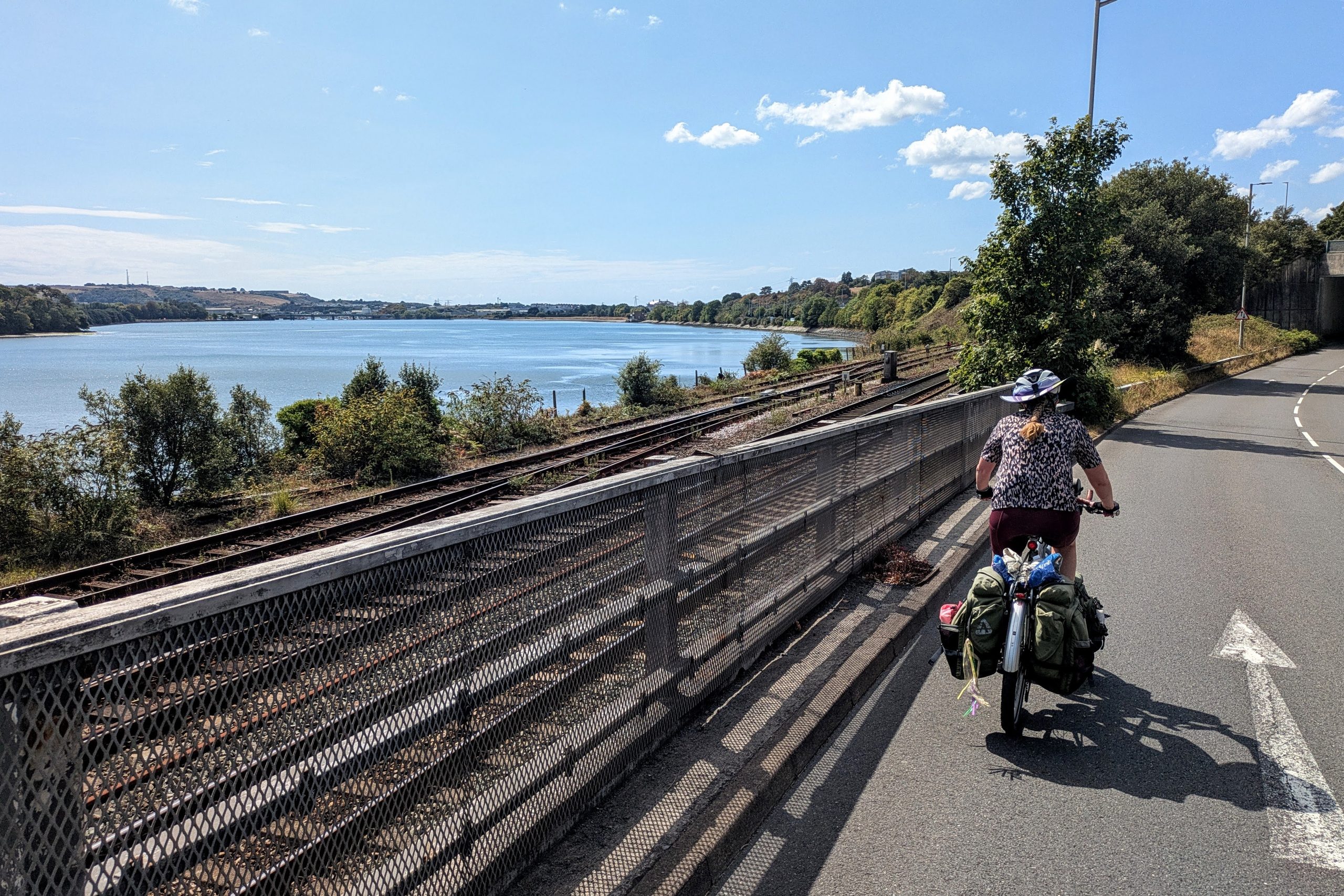
Leaving Ivybridge, we were in the corridor of The Devon Expressway, but frontage roads and trails patched together a route into Plymouth that wasn’t too bad. The worst bit was when we got caught by one of the frequent “is this a bike trail, or a sidewalk that’s ending and we should find a way to drop down to the road” traps, and when I was walking my bike squeezed along a wall, the rear wheel caught the steel leg of a collapsed temporary road sign, and somehow sucked it up into the spokes before I could apply the brakes. It left me with a slightly-bent spoke, a bent top of the Presta valve stem, and a misaligned fender. But nothing catastrophic, so after a once-over we were able to carry on. Steep climbing returned on the city streets of Plymouth, so we walked the last few blocks to a grocery store, dallying long enough for the cleaner to finish up at our AirBNB and let us in a bit early.
Days 2-11
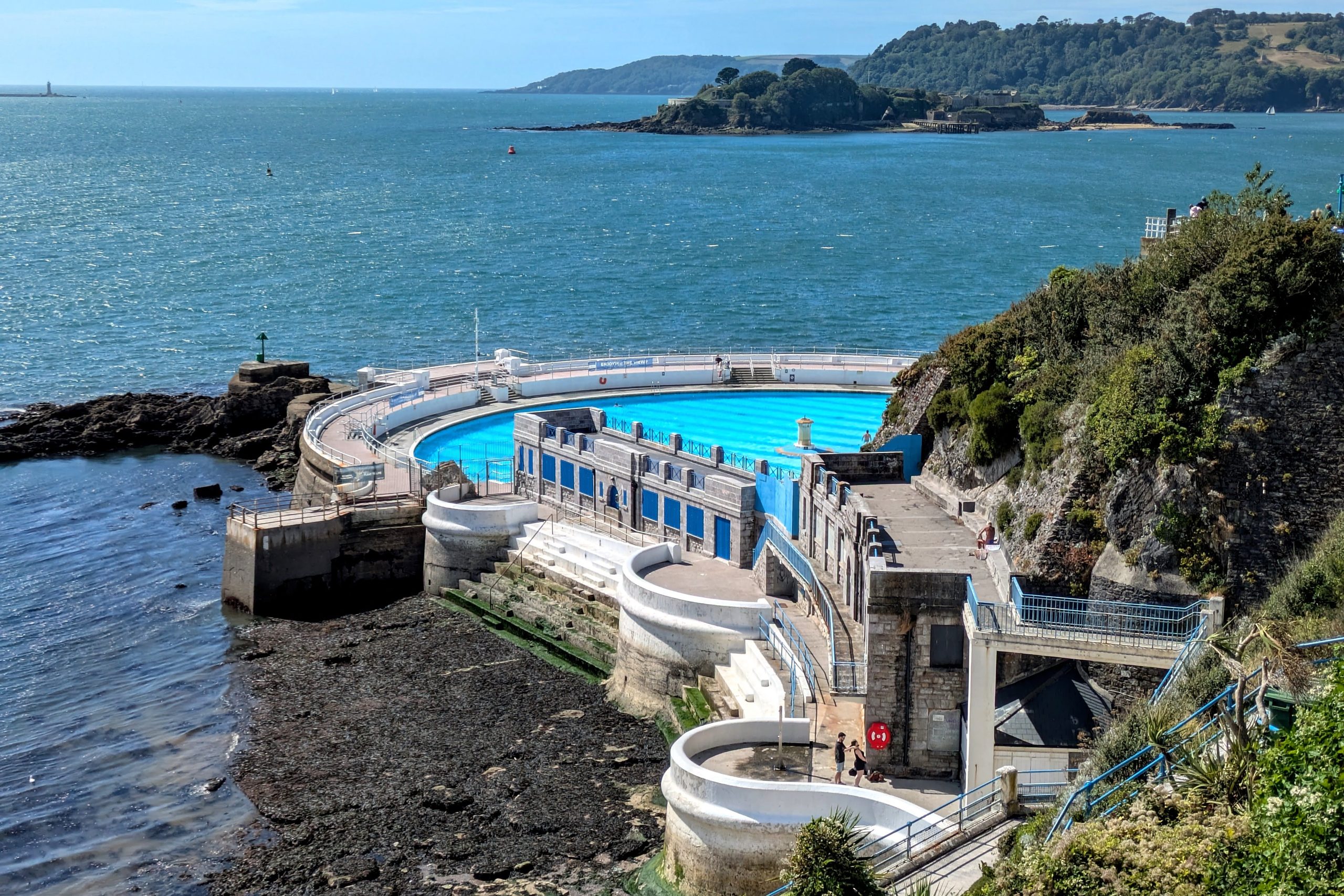
Plymouth is our “final” destination in the UK, because the ferry to France departs from here. But we don’t want to start our 90-day clock in the Schengen Zone for a couple more weeks yet. Originally we had expected to ride further west into Cornwall before looping back to Plymouth, but the landscape and circumstance funneled us here earlier than expected. The next idea was to stay for a bit, loop out through Cornwall for a week+, and return. But, the hills in Cornwall would only get worse, so Rett scheduled a haircut and perm that would force us motionless for at least another week (she can’t sweat for 4 days after). That’s fine, I need time to figure out what the heck we’re going to do on the Continent anyway!
Our first AirBNB was only available for two nights, so after a Pizza Hut dinner and a yoga session for Rett (our host is an instructor with a studio upstairs who offers a free session for guests), we had to do a transfer to AirBNB #2.
Transition day was a Sunday, so many restaurants (the obvious way to kill time between check-out/in) were closed. We spent the first hour in a nice shaded park, but my lower back had decided to do one of its seize-ups this morning (after a couple nights in a terribly soft bed), so I wasn’t having a great time. Eventually I found a pub doing a “Sunday Roast”, which we have gleaned is quite A Thing in this country (“bookings essential!” is what they frequently say), so this was a nice way to stumble into a cultural experience, a time-killer, and a belly-filler simultaneously.
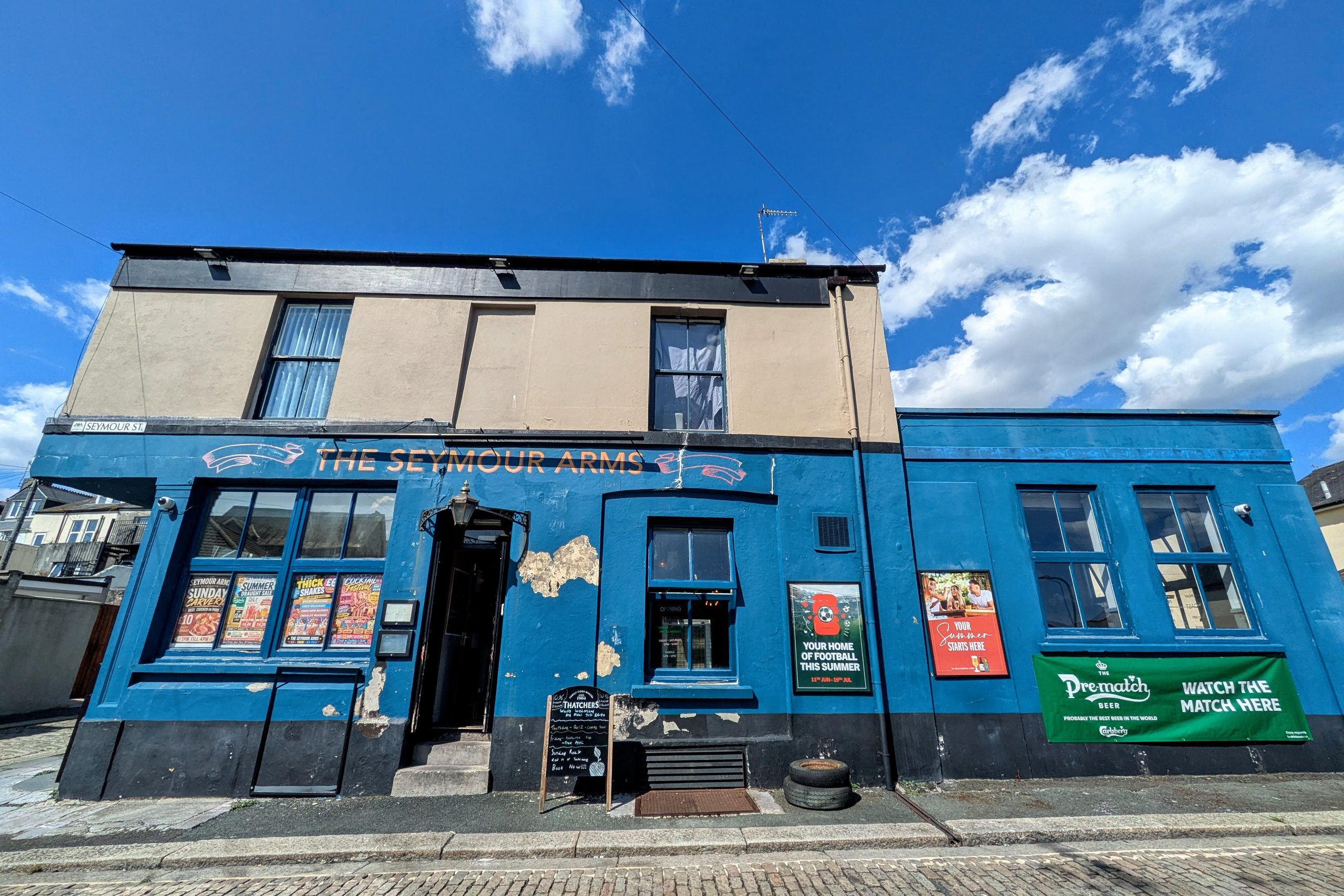
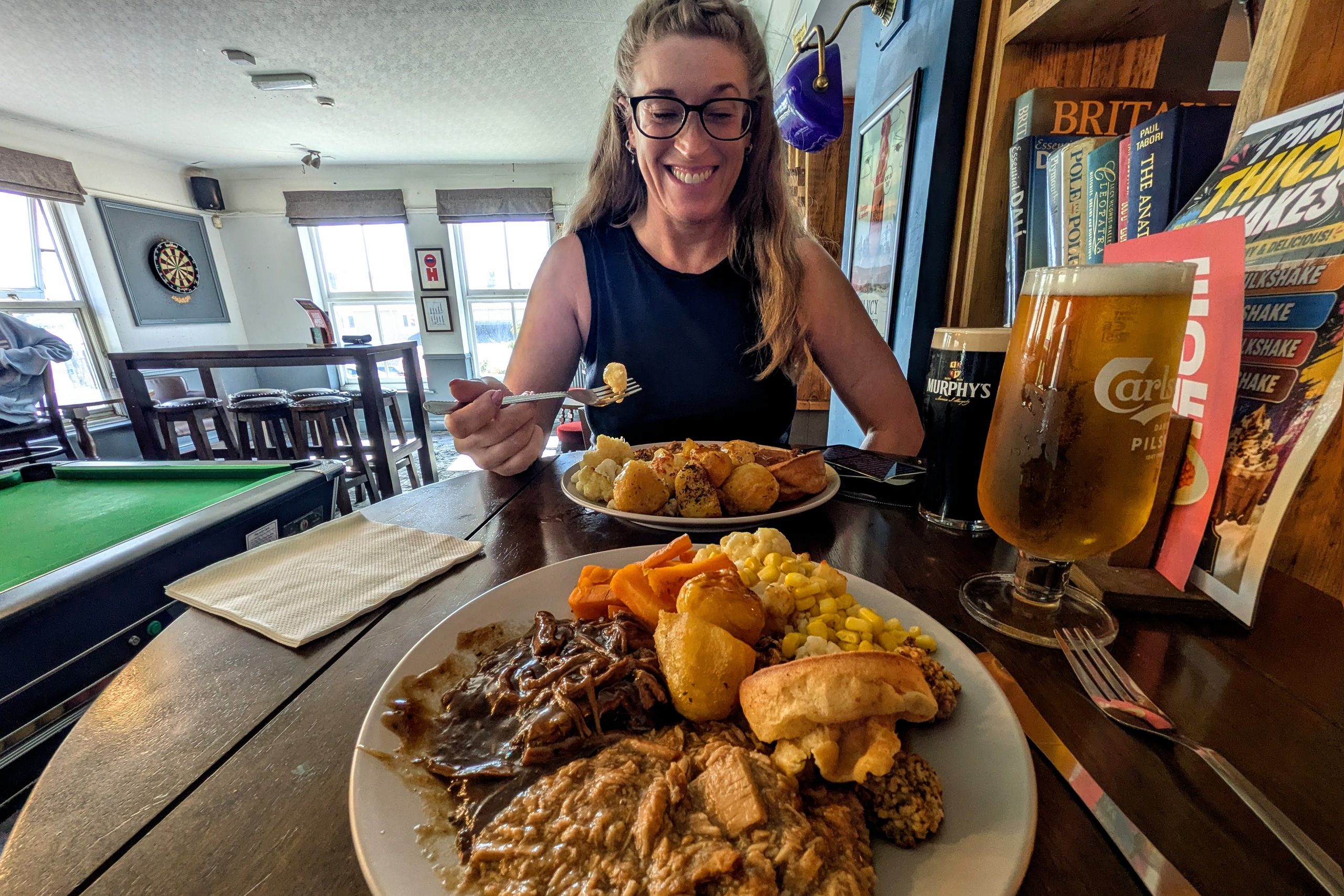
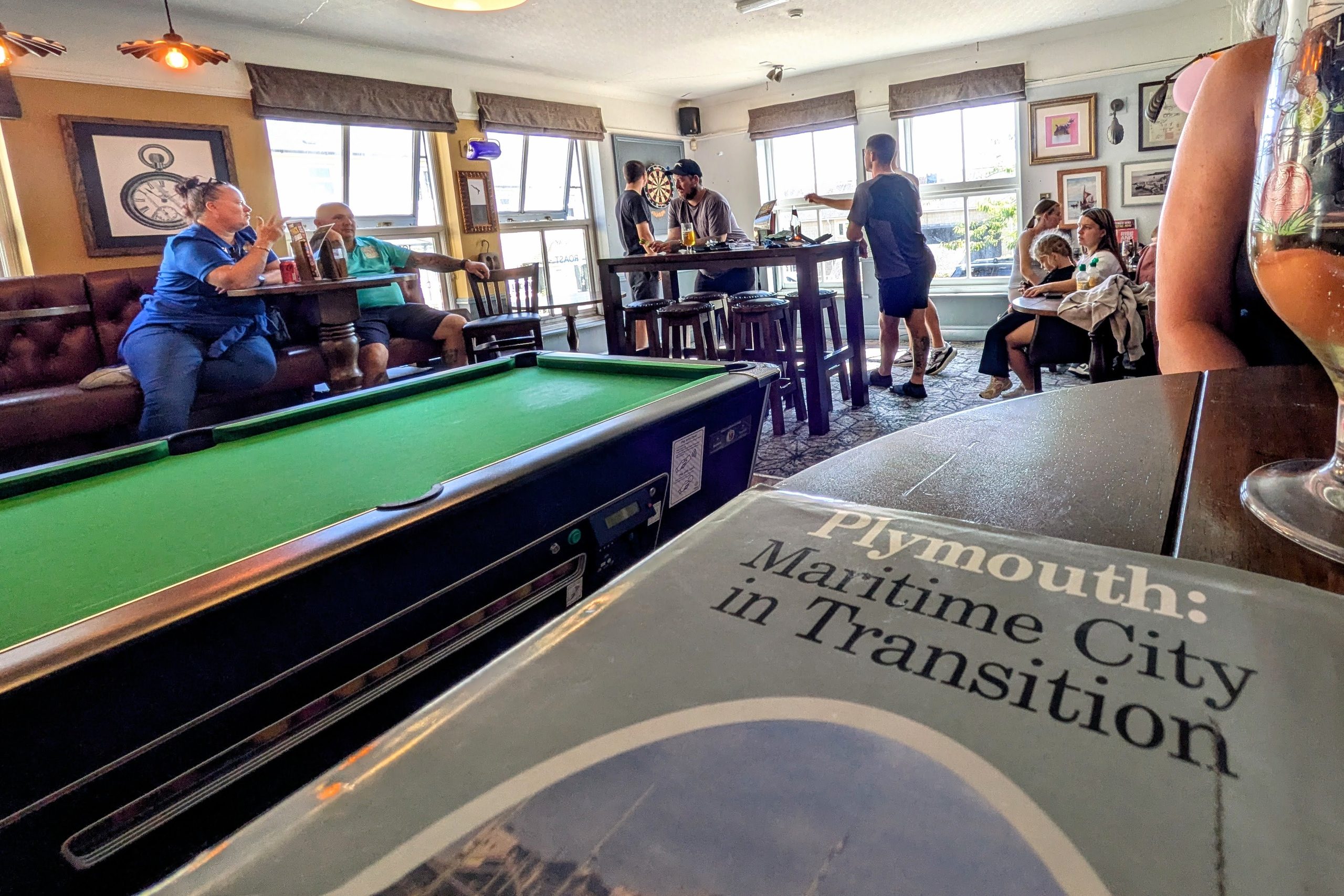

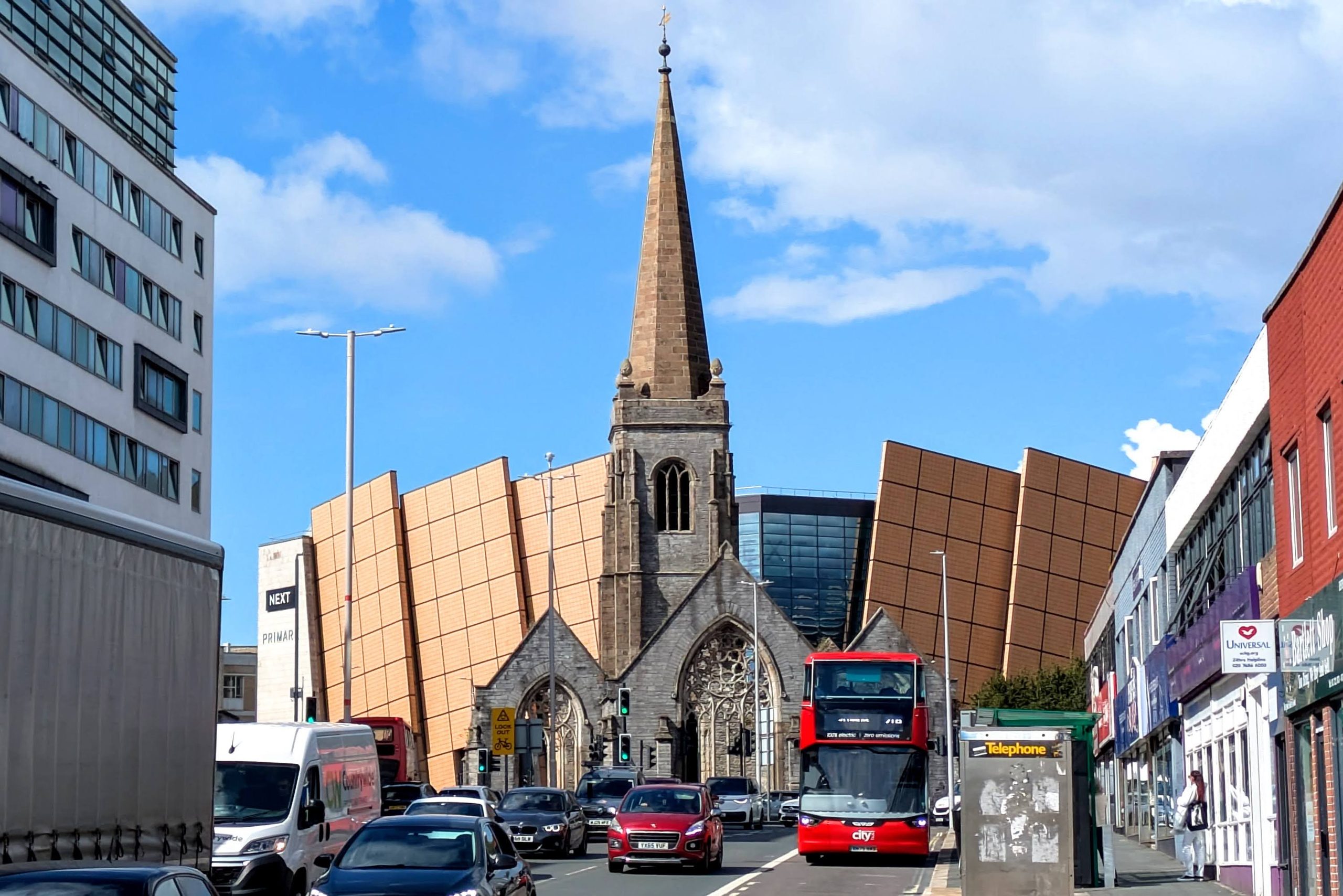
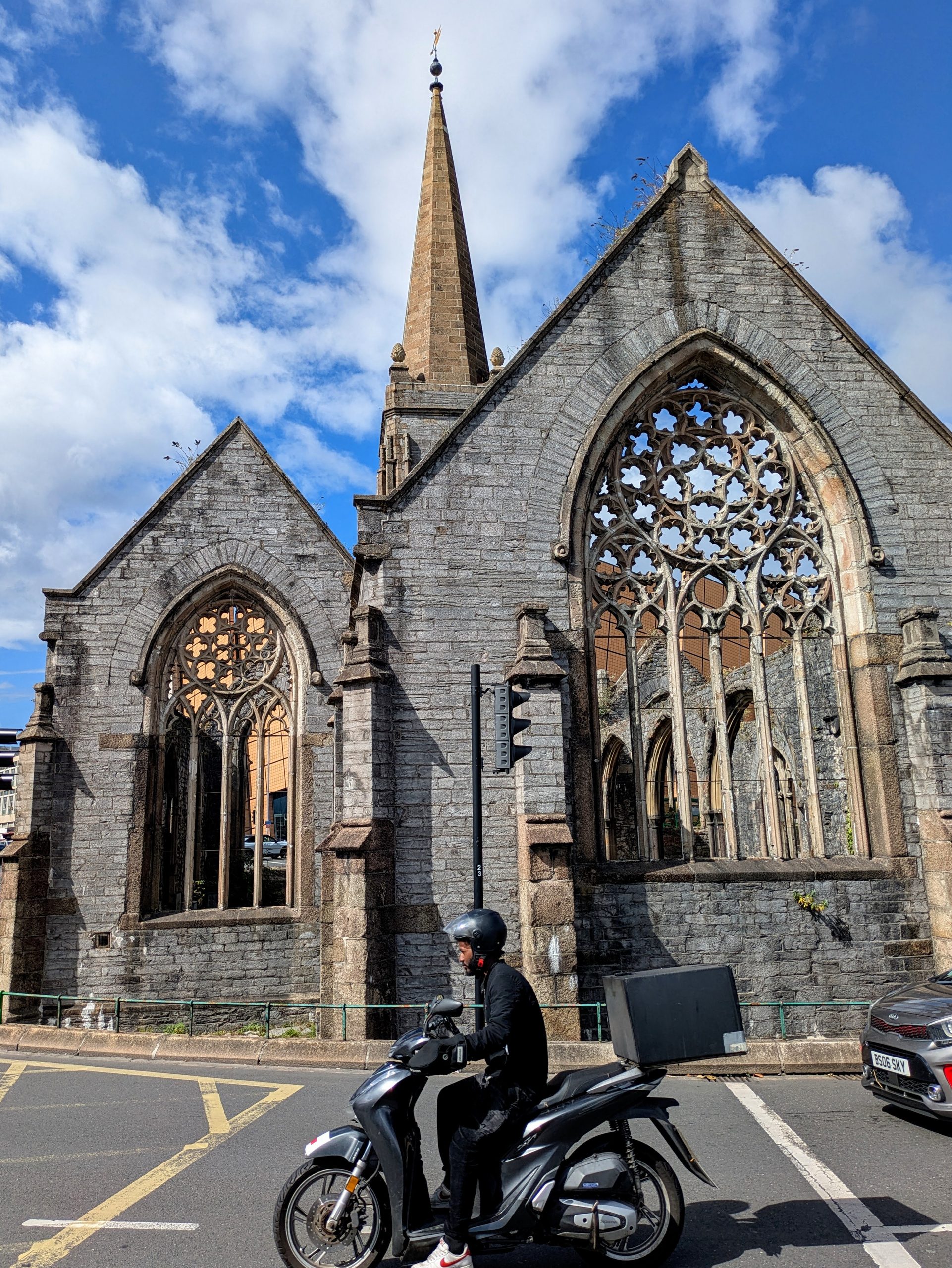
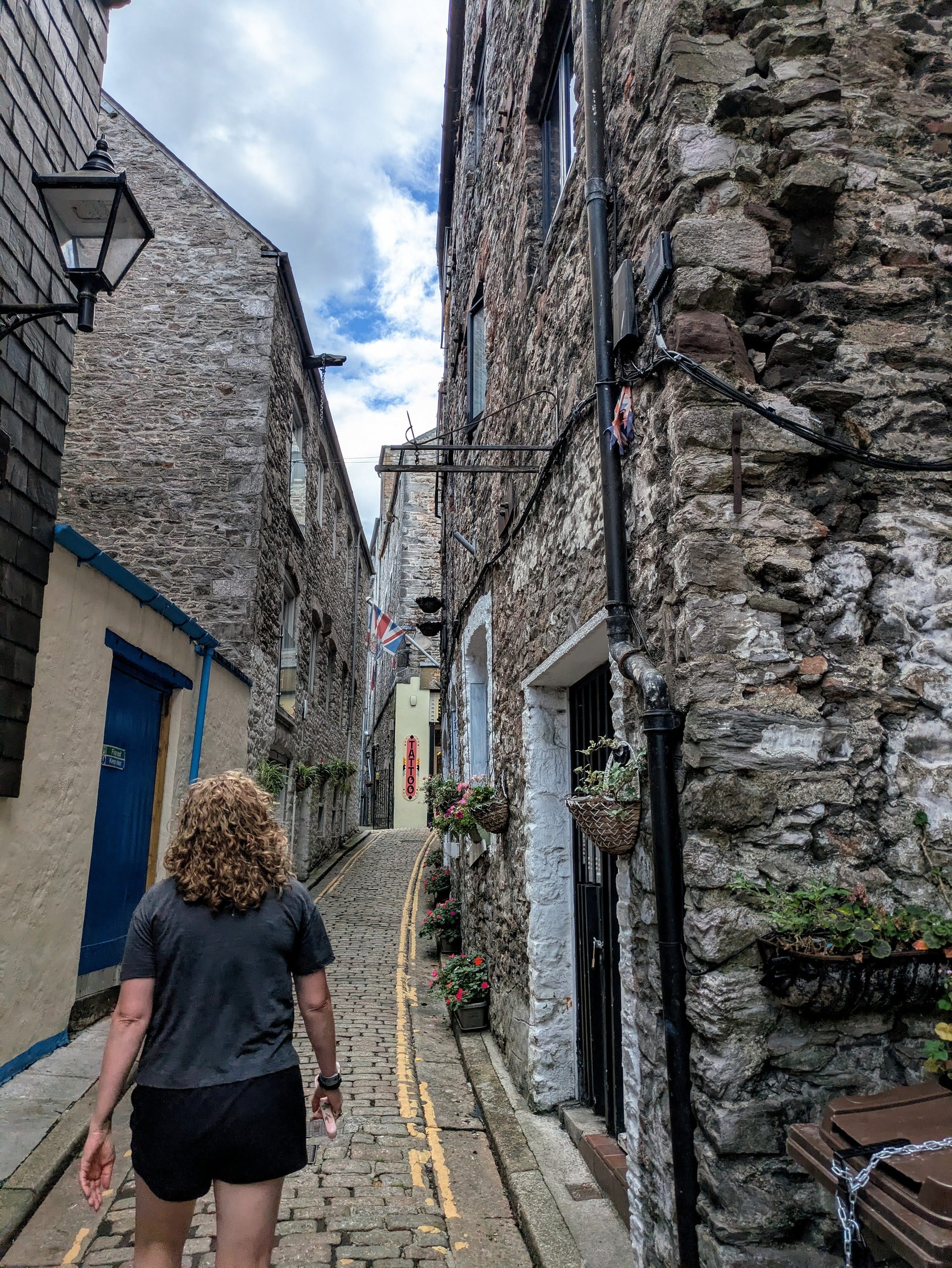
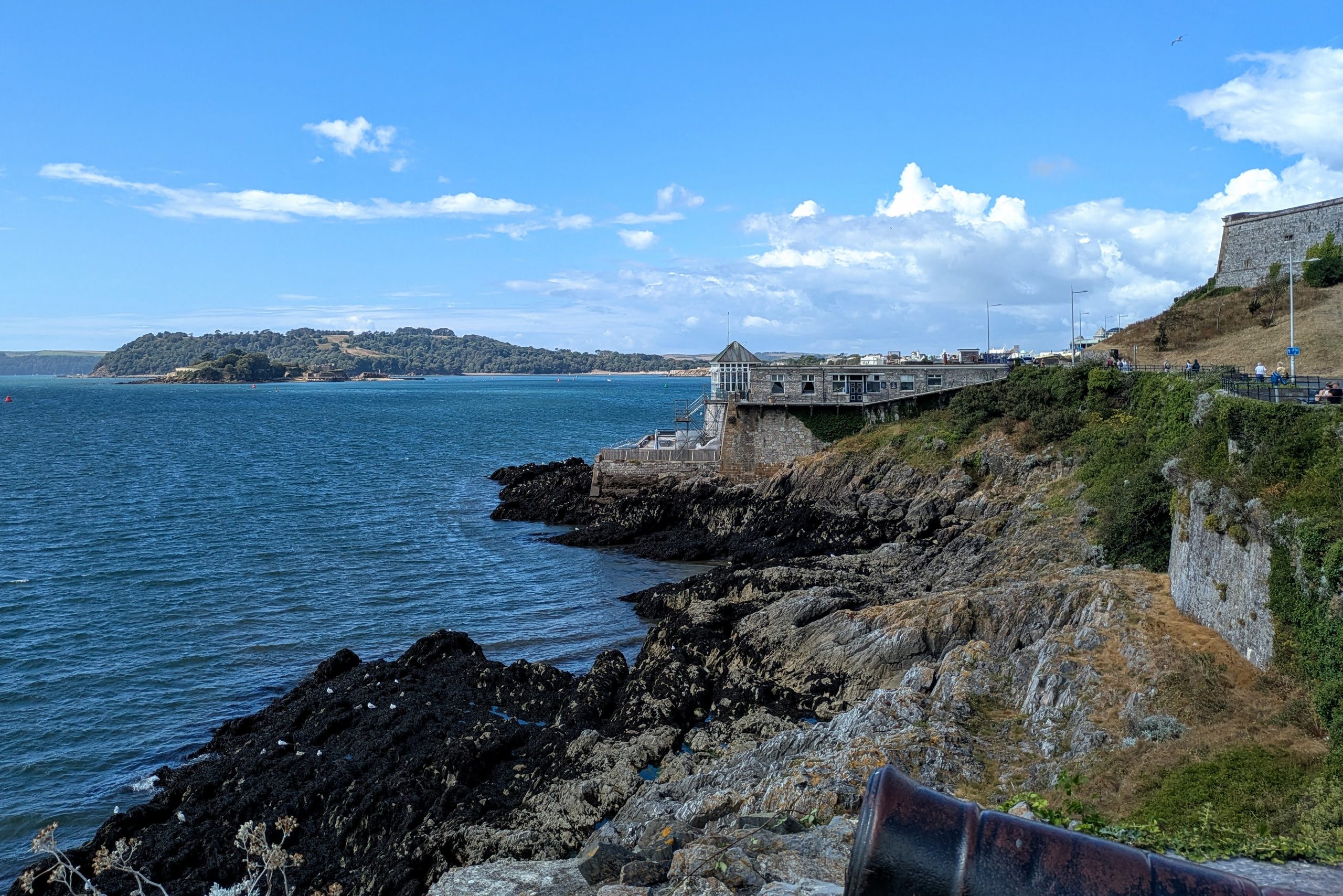
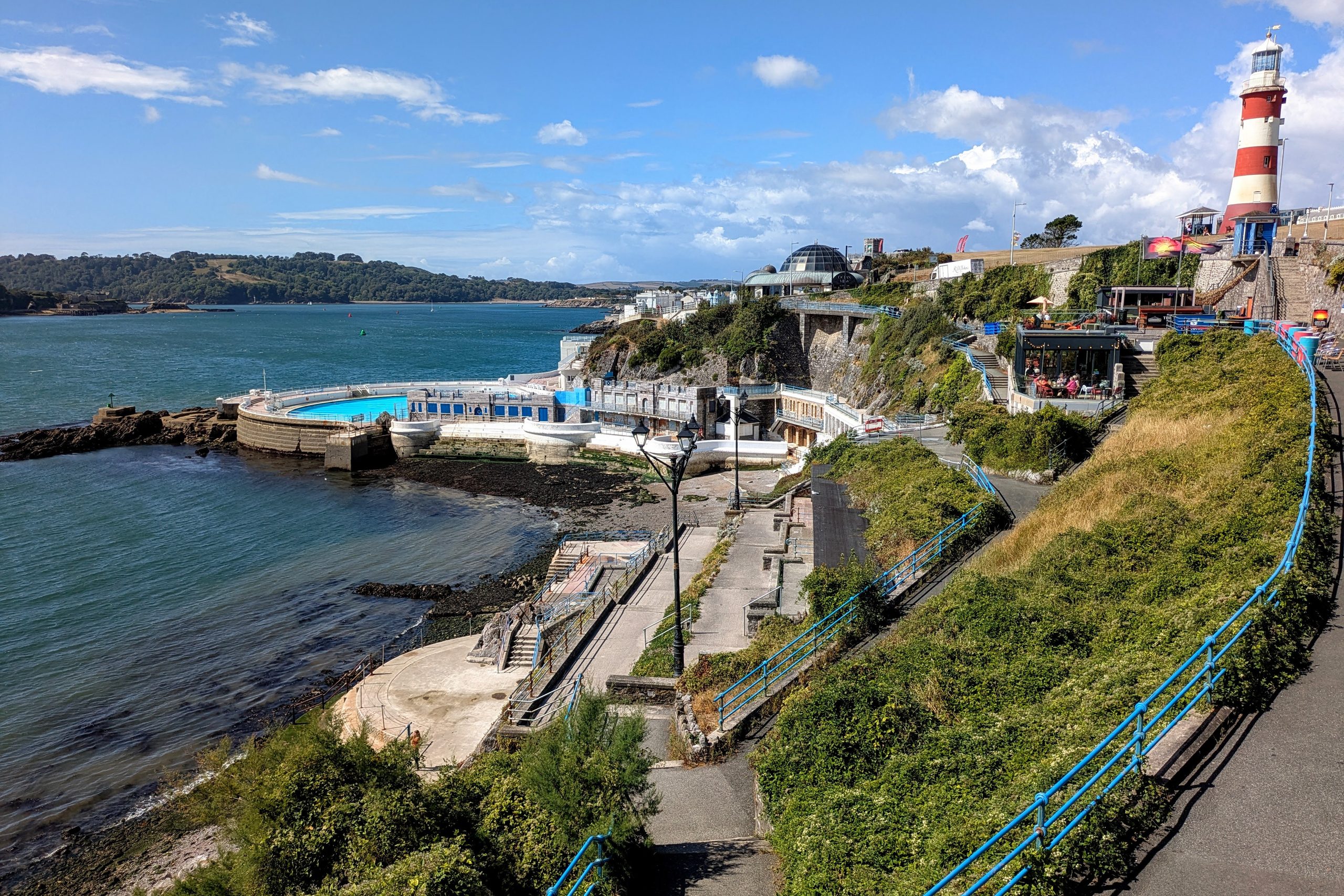
After a week, Rett had to do a shopping trip, so I turned it into a chance to do a walking loop through the city center. Plymouth was proportionally the most-destroyed city in the UK during the Blitz in World War II, so while it has a shortage of historic buildings, that gave it space for a post-war redevelopment plan that makes it different than anywhere else we’ve been.
Leave a Reply