

Home: Stephen’s AirBNB
Further calculations regarding the start of our 90-day “Schengen Clock” produced “September 7th” as the date we would want to cross over into France and start the clock. The extra week in the UK would prevent us from being forced to exit the Schengen Zone (to Morocco) before December. It also meant that we now had an opportunity to re-open the window to do a brief loop ride through Cornwall before returning to Plymouth. But Rett’s primary target in Cornwall (the ruins of Tintagel Castle, mythical home of King Arthur) still felt prohibitively-challenging to ride to. And despite the months of “time off” since we stopped riding in South America, I still felt like I could use more time preparing for France and Spain.
So we booked another week in Plymouth. Our current AirBNB was available, but there was a better-looking one that was cheaper (the summer school holidays reaching their end might be helping?), so we decided that doing another mid-day AirBNB-transition was worth a couple hundred dollars in savings. During this period of time-killing in the same shady park, my back was feeling much better than it had been last time. And we had a nice conversation with a couple of locals who had high praise for Cornwall: “Every time we go to the famous Lake District [far up in northern England], we like it, but we realize that we like Cornwall [right next door] better!”
So that cemented our decision to try to do some day-trips on the train, especially since our new AirBNB was quite close to the train station. However, our first trip would not be to Cornwall, but backwards to Totnes, in Devon. I had also considered doing a train-assist, with the bikes, to make a multi-day riding loop through Cornwall easier, but all my research said that while taking bikes on the trains is almost always possible (and free!), it tends to be a frustrating and difficult experience, especially with loaded touring bikes. So we’d just go to Totnes on foot, but it would an opportunity to get a first-hand look at the bike facilities.
Our visit to Totnes was a good example of Rett and I working together. She had read something about an “Elizabethan Market” that happens every Tuesday, with costumed vendors, almost a mini-Renaissance Faire. I investigated a bit more, and it looked considerably sadder than that, less of a time-travel than even the weakest actual Renaissance Faire. And a quick StreetView of the supposed cute historical village suggested it was just modern shops lining a not-particularly-remarkable (for England!) High Street. Nonetheless, I like to support my wife’s inspirations, so I finally found something, recommended deep in visittotnes.co.uk, that might sum together with the other attractions to make the trip worthwhile: an 8-mile loop walk to Berry Pomeroy Castle.
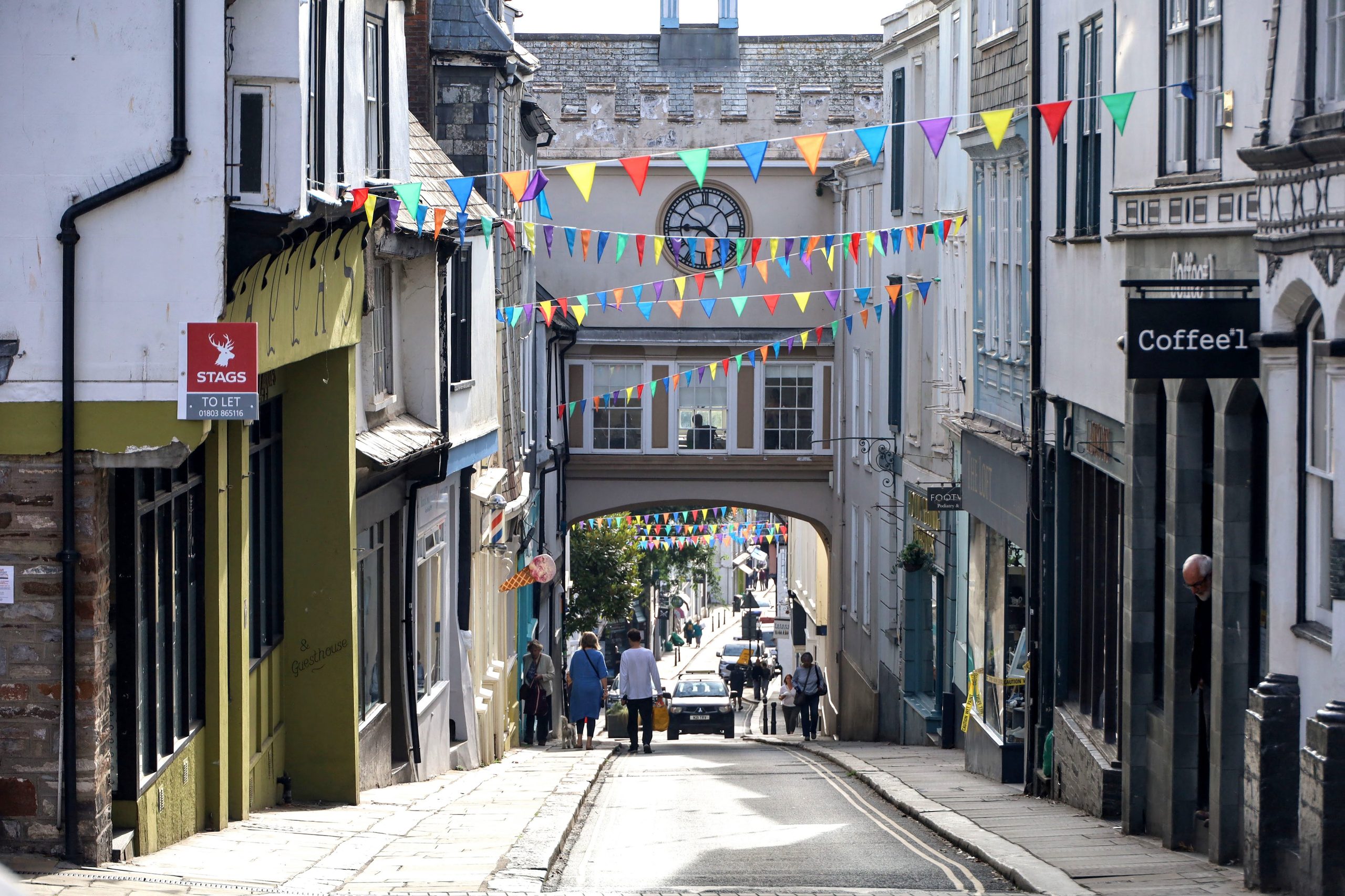
So then it was a pleasant surprise to discover that Totnes itself was in fact a worthwhile attraction on its own; High Street was narrower and more historically-unique than StreetView implied, and it didn’t repeat the feel of anywhere we’ve previously visited. Even though most of the interest was confined around High Street, narrow alleys and stairways branching off it, and churches squeezed between the shops, hinted at hidden discoverability. On the other hand, the Elizabethan Market exceeded my doubts; even Rett didn’t want to cross to the other side of the street to visit it when we walked past!
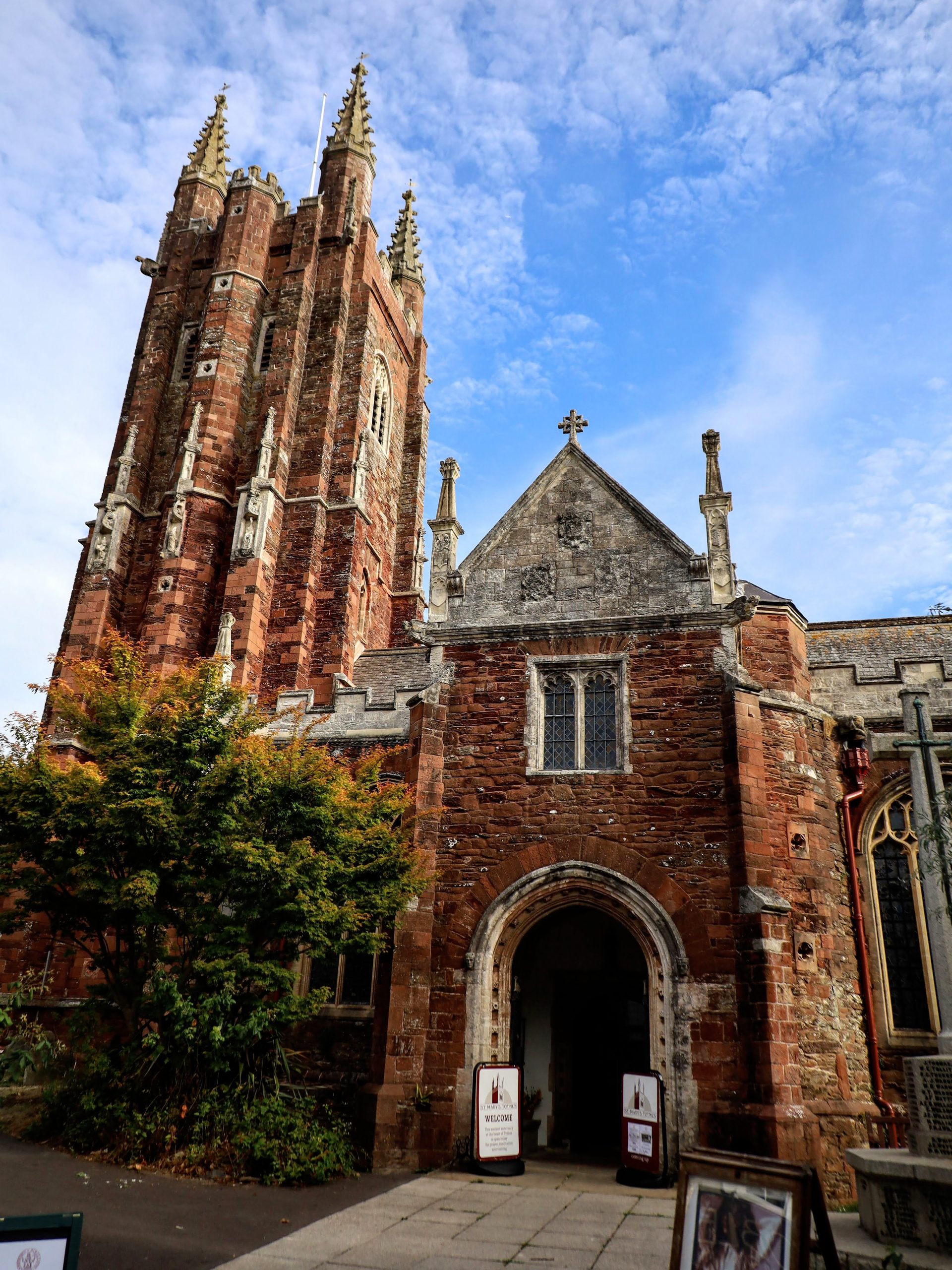
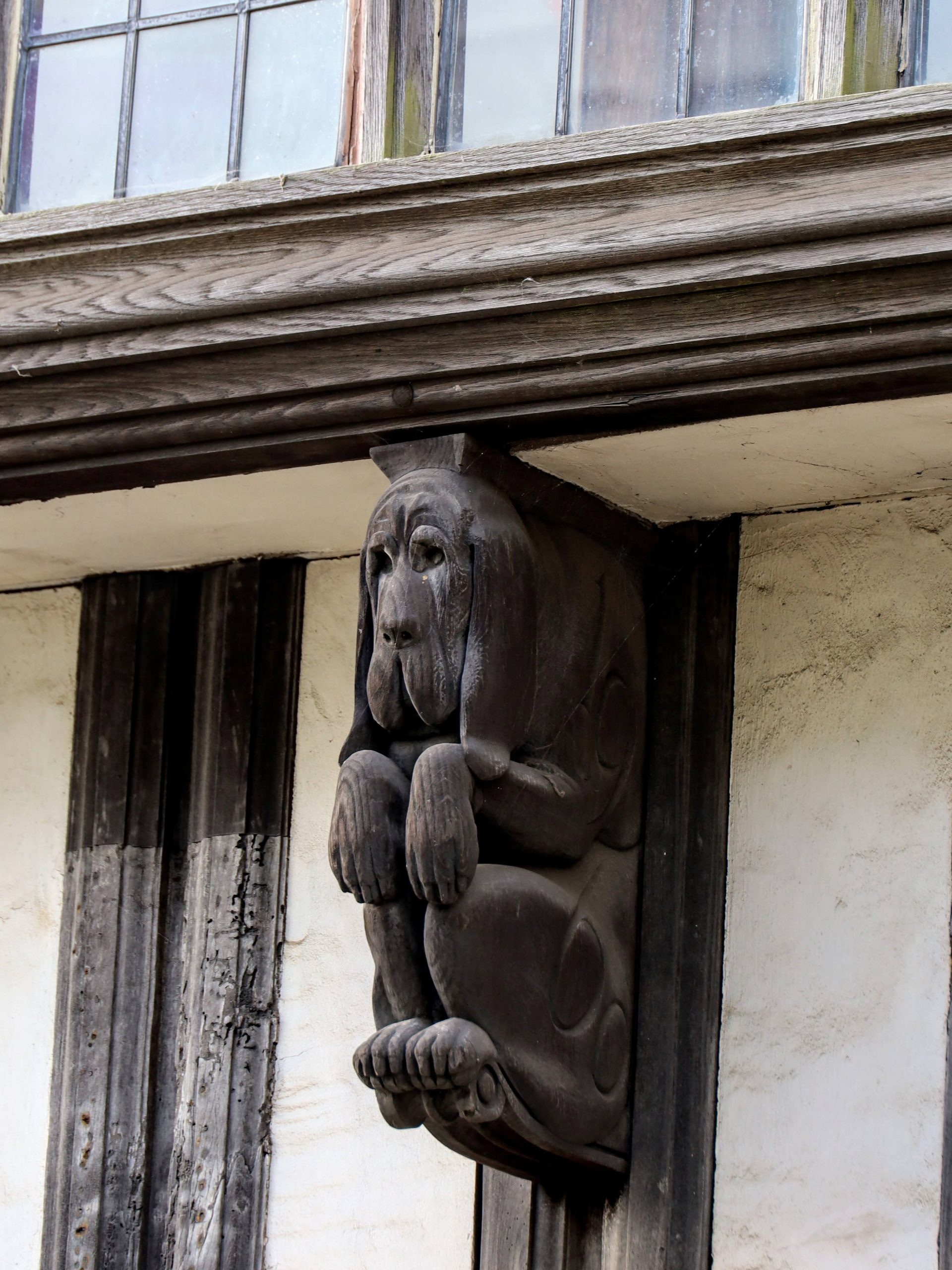
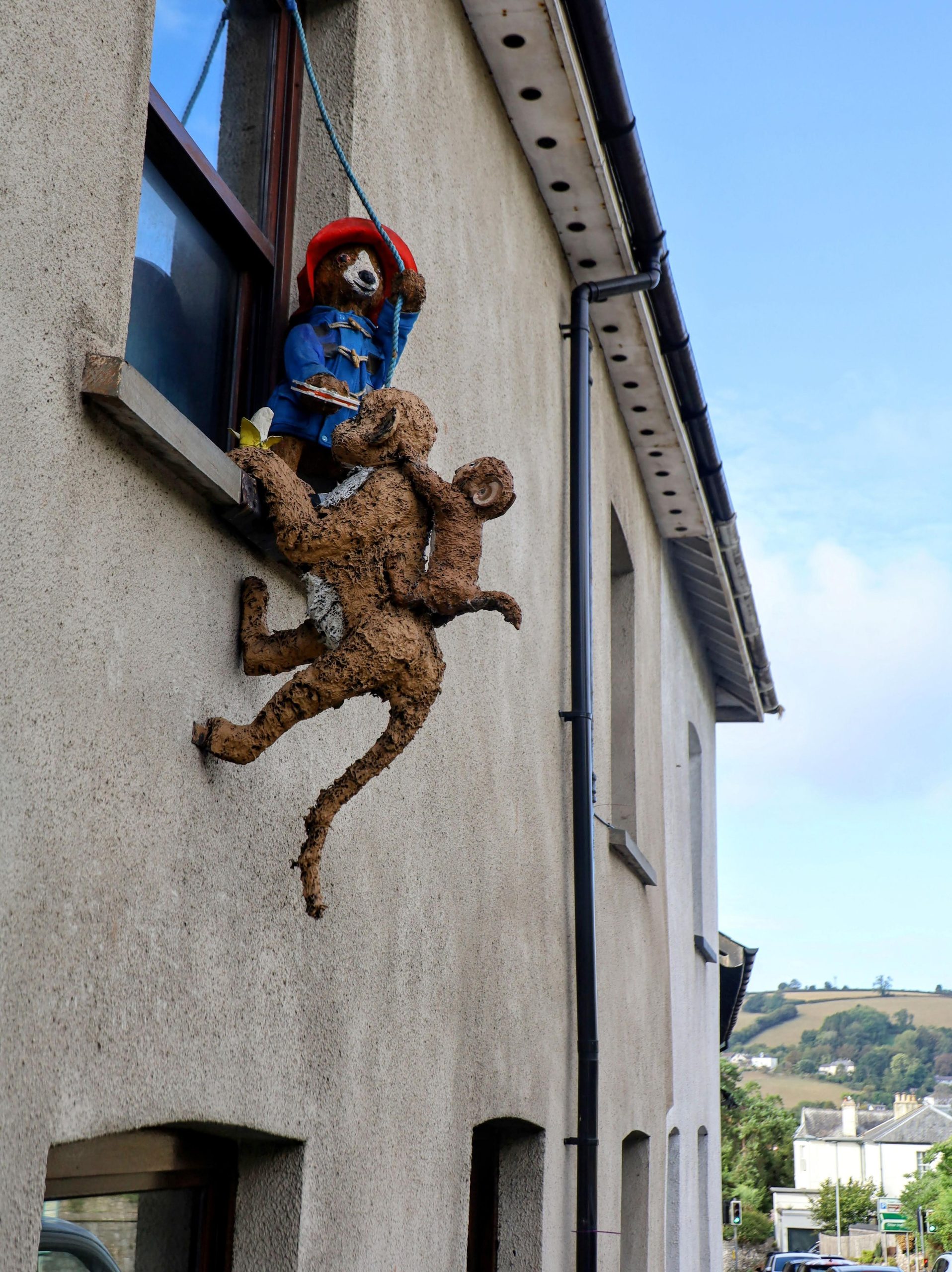
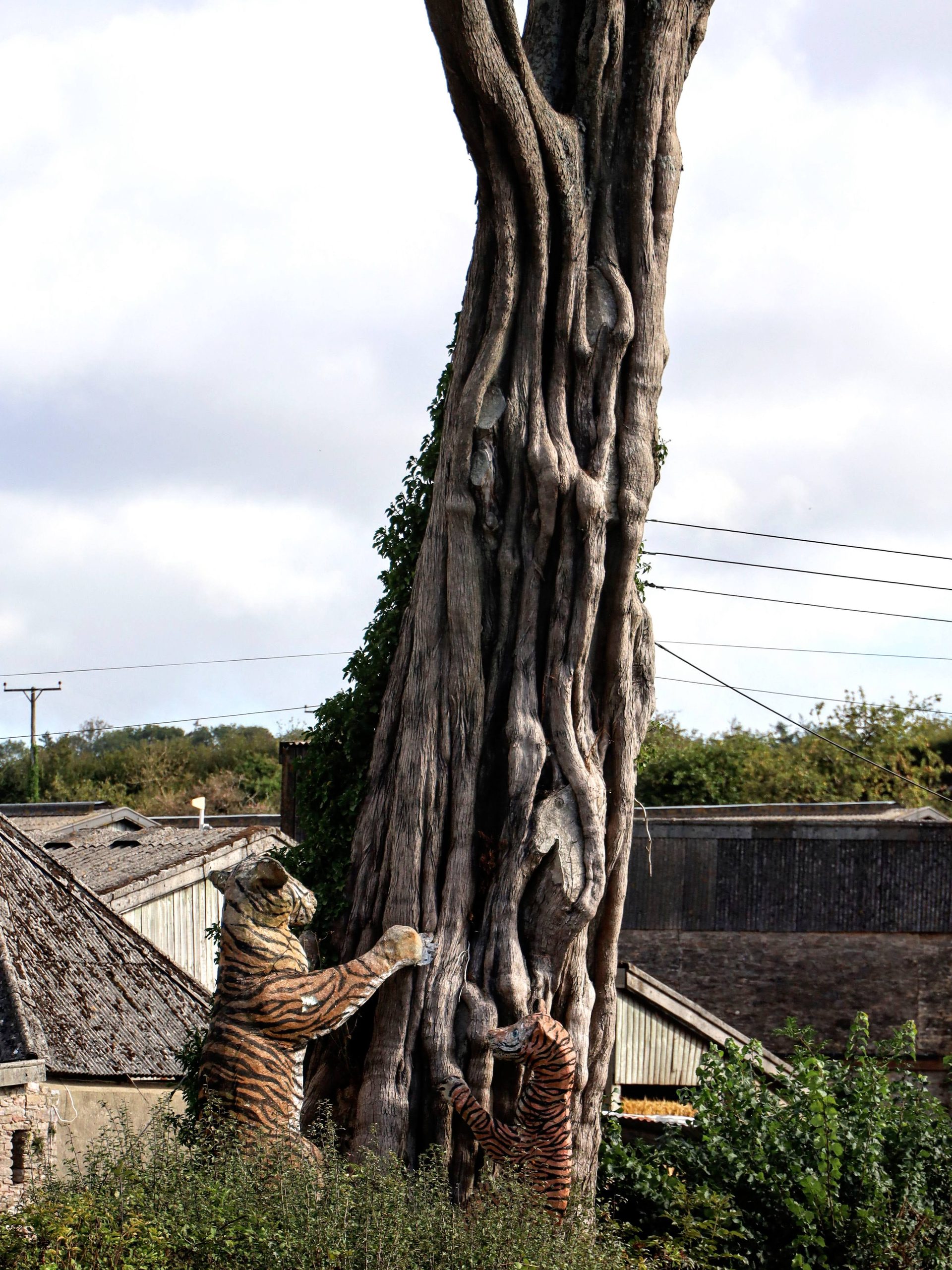
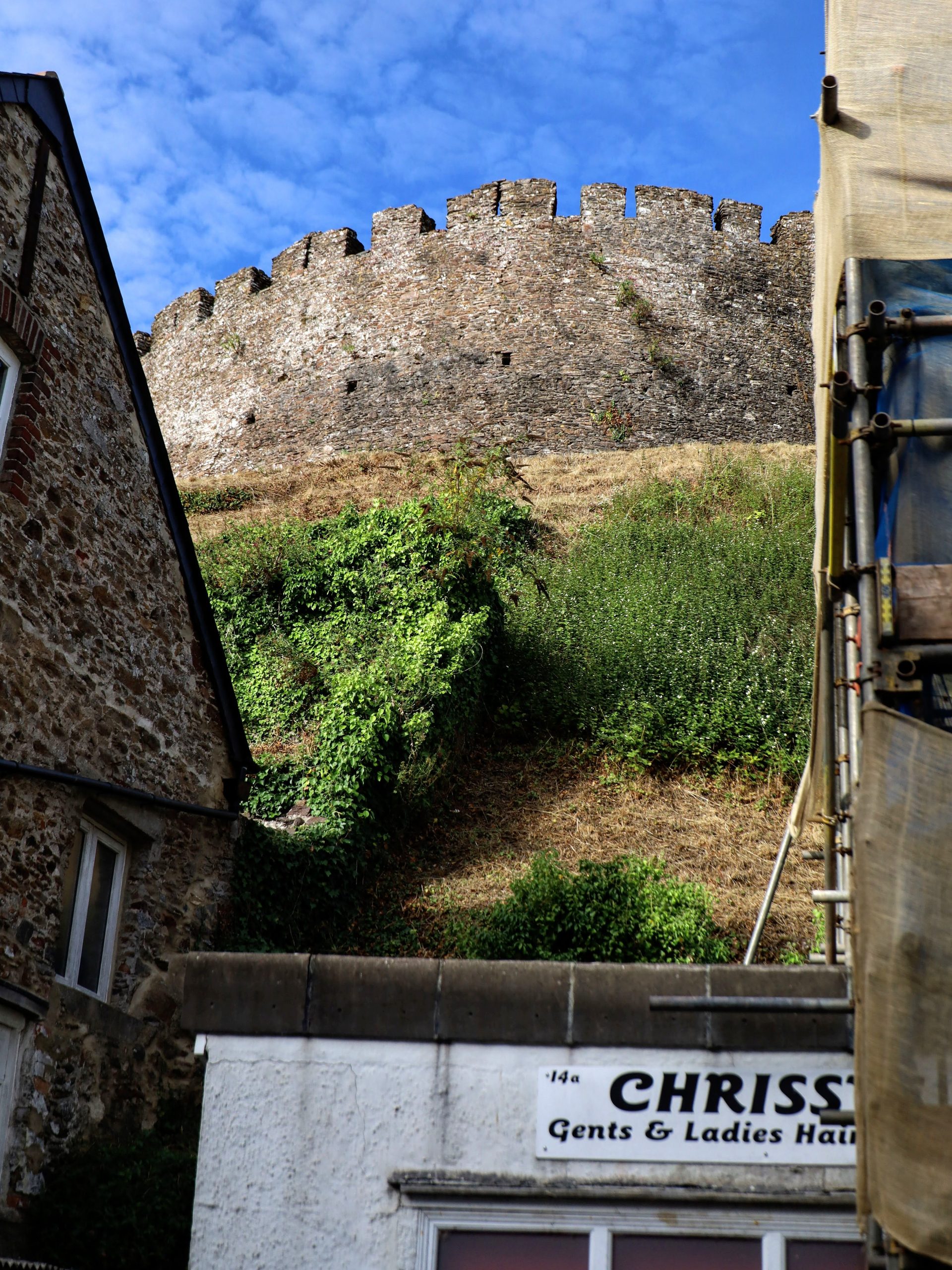
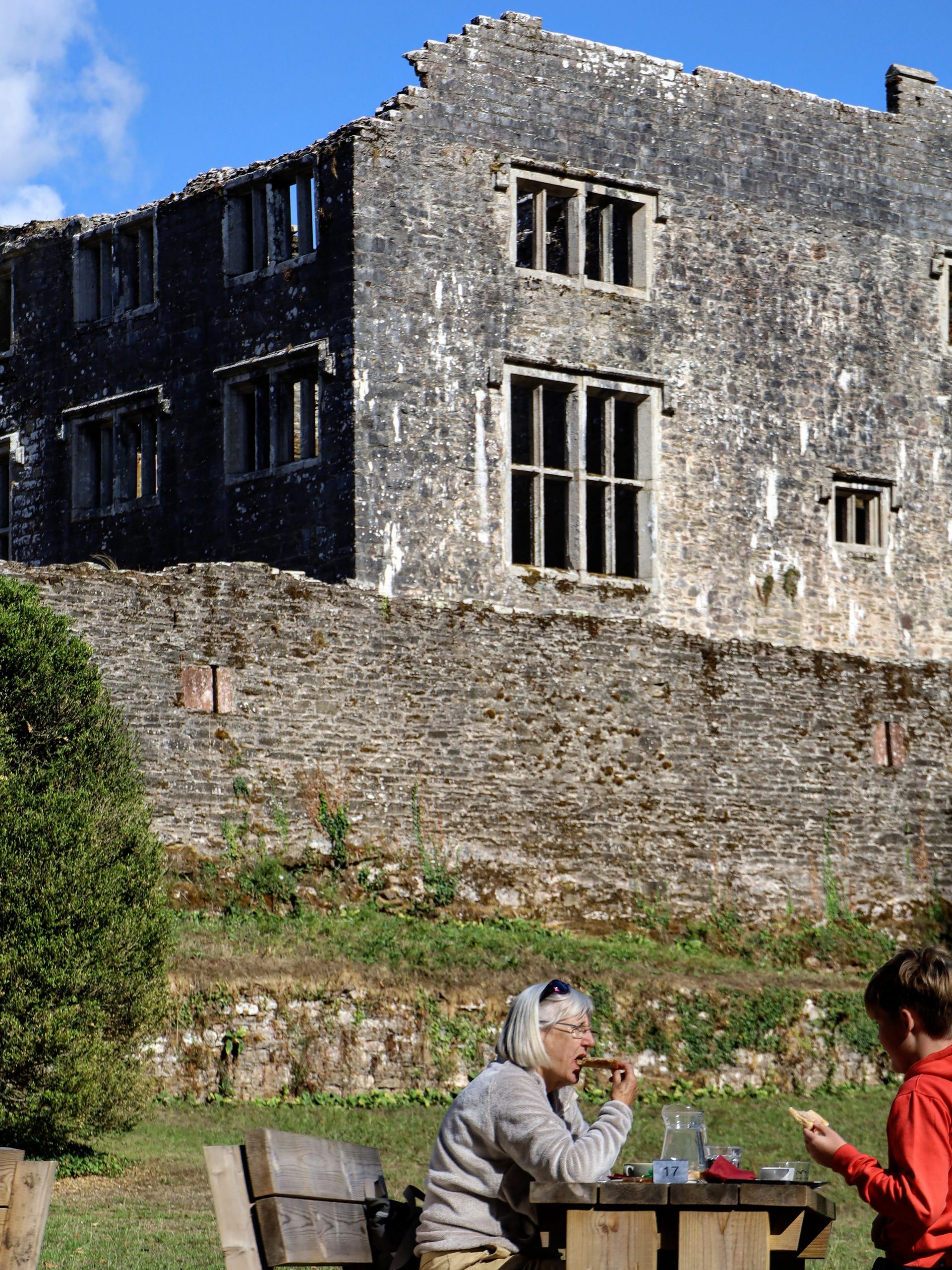
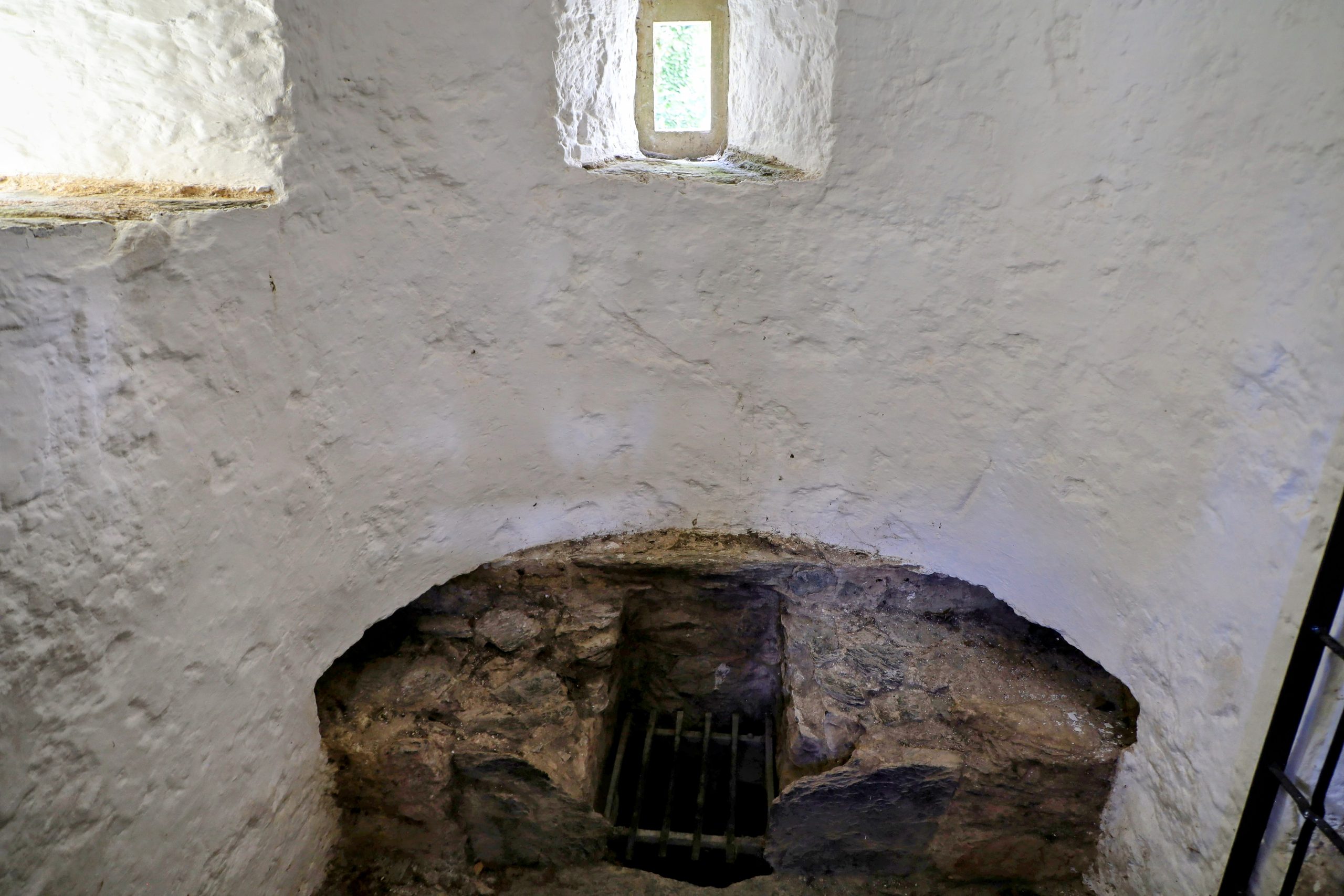
The unique attraction of Berry Pomeroy Castle is that it’s a ruin, but also the ruin of a recognizable “modern” house. Though the area was ringed by a stone wall into a large deer park by 1207, the castle walls are late-15th century, and the buildings inside ~100 years newer than that. I remember following my Dad “sneaking” into under-construction houses when I was a kid, and being fascinated by what their visible skeletons could reveal. So this was a much-enhanced version of those memories, where the “house” was one of the grandest I’ve ever seen, and also 400 years older.
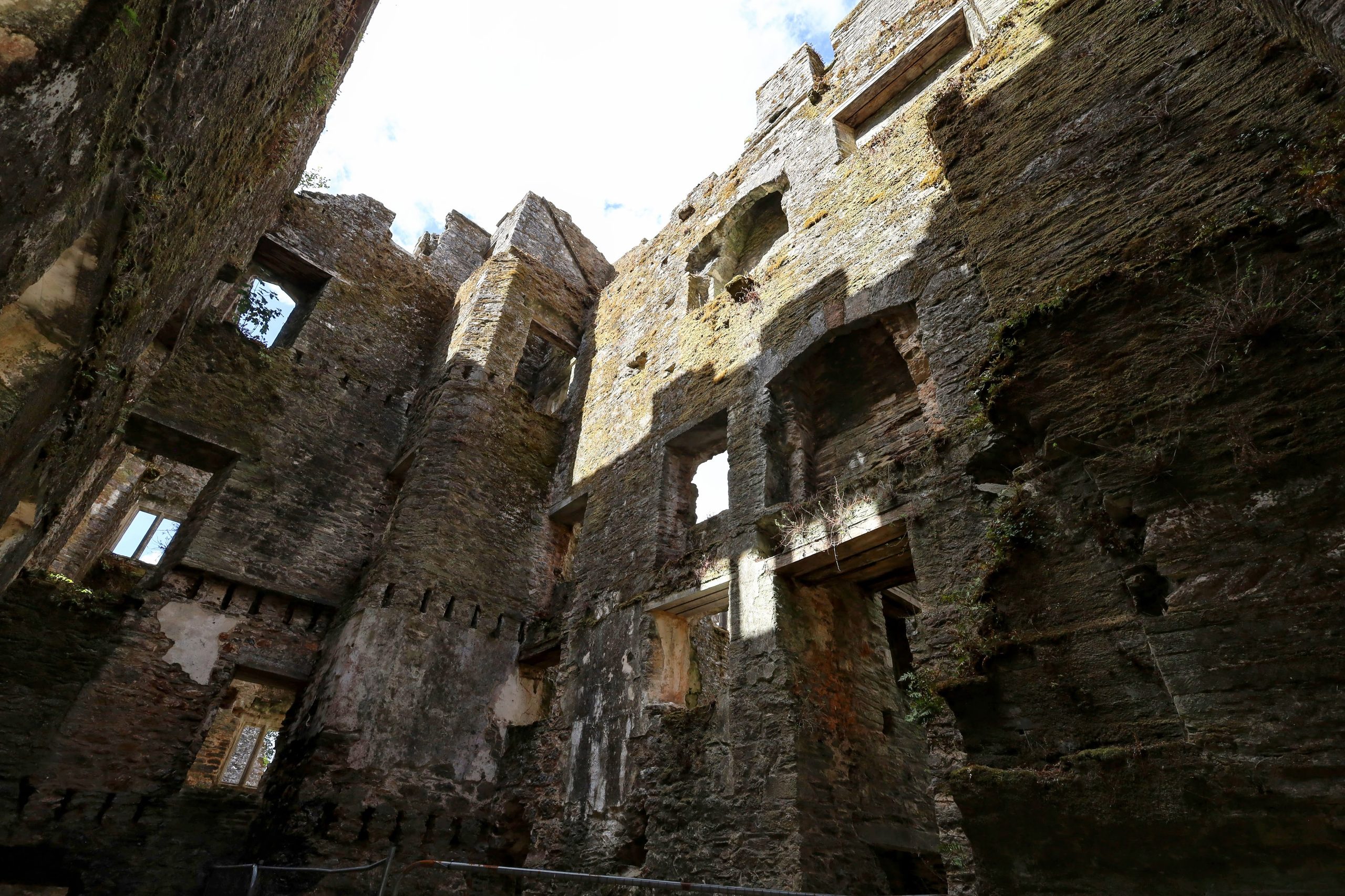
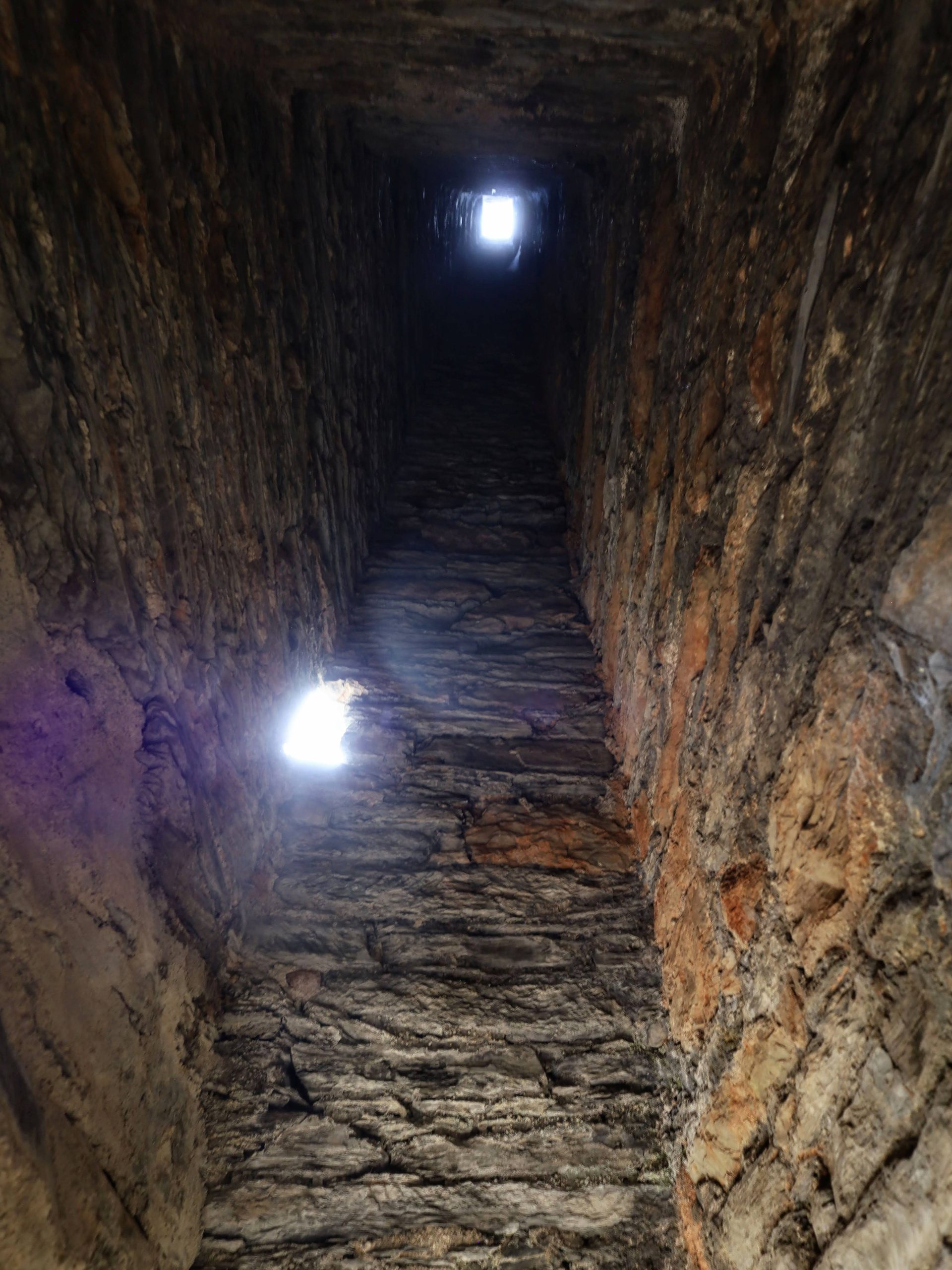
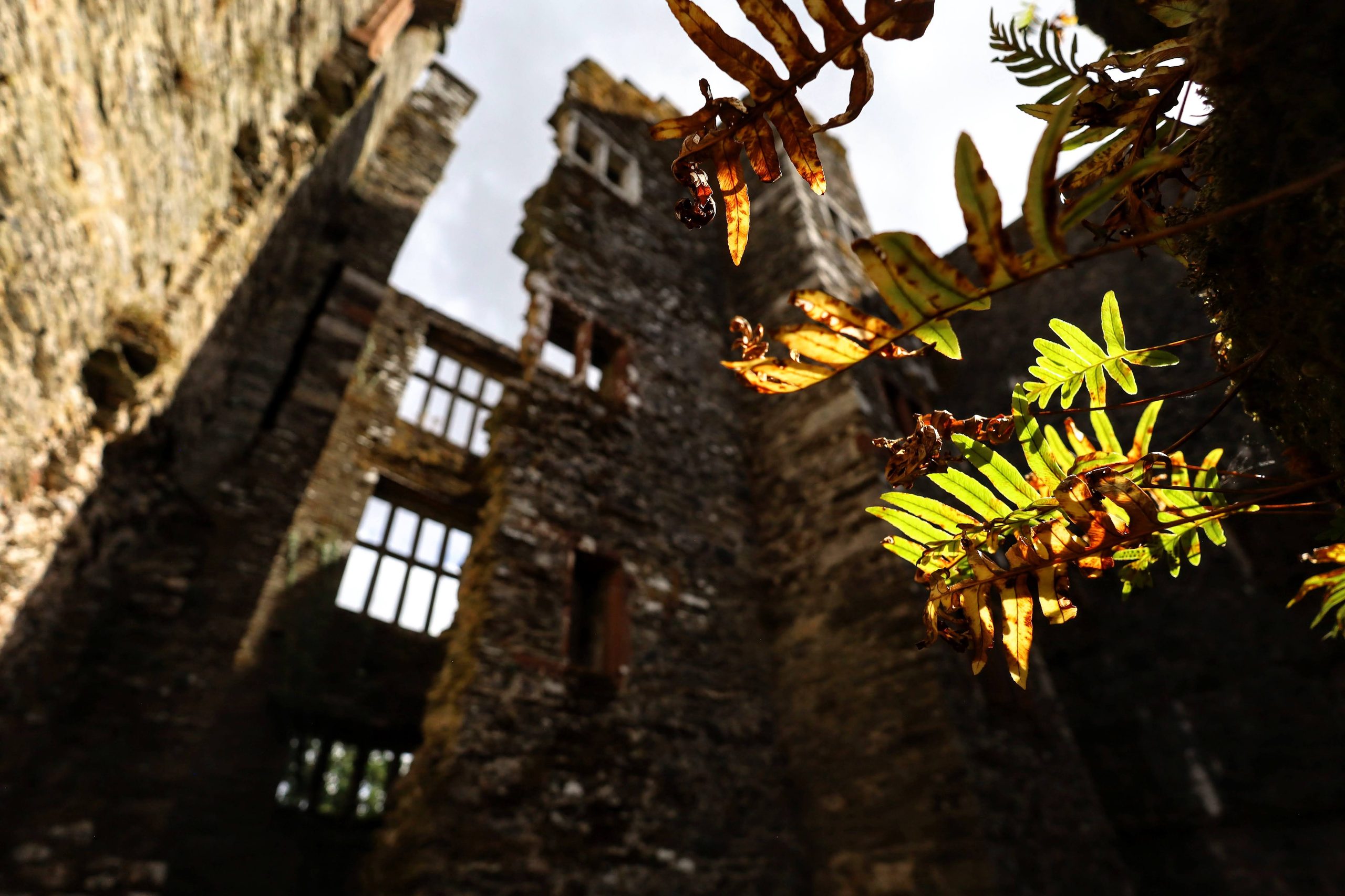
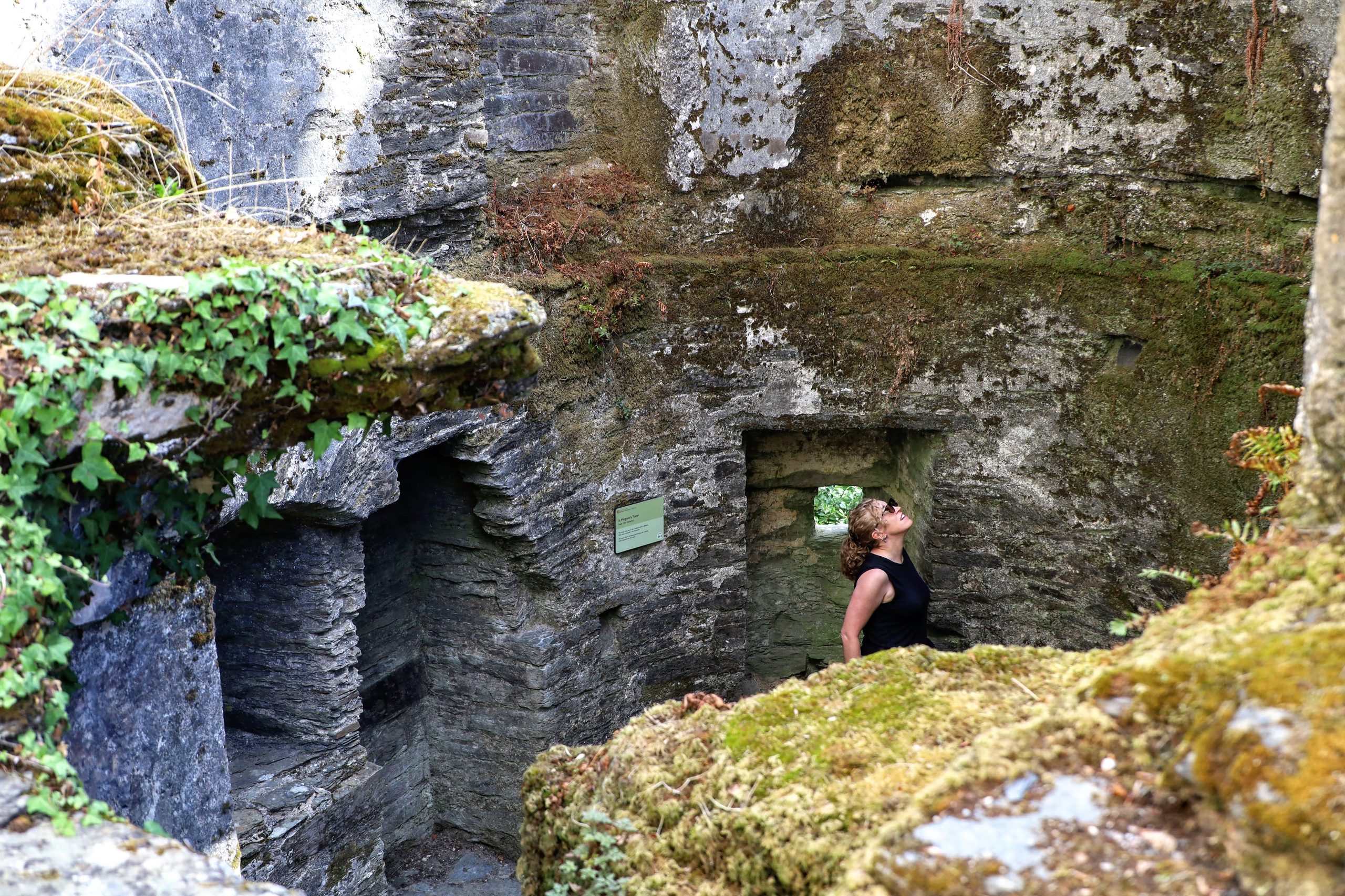
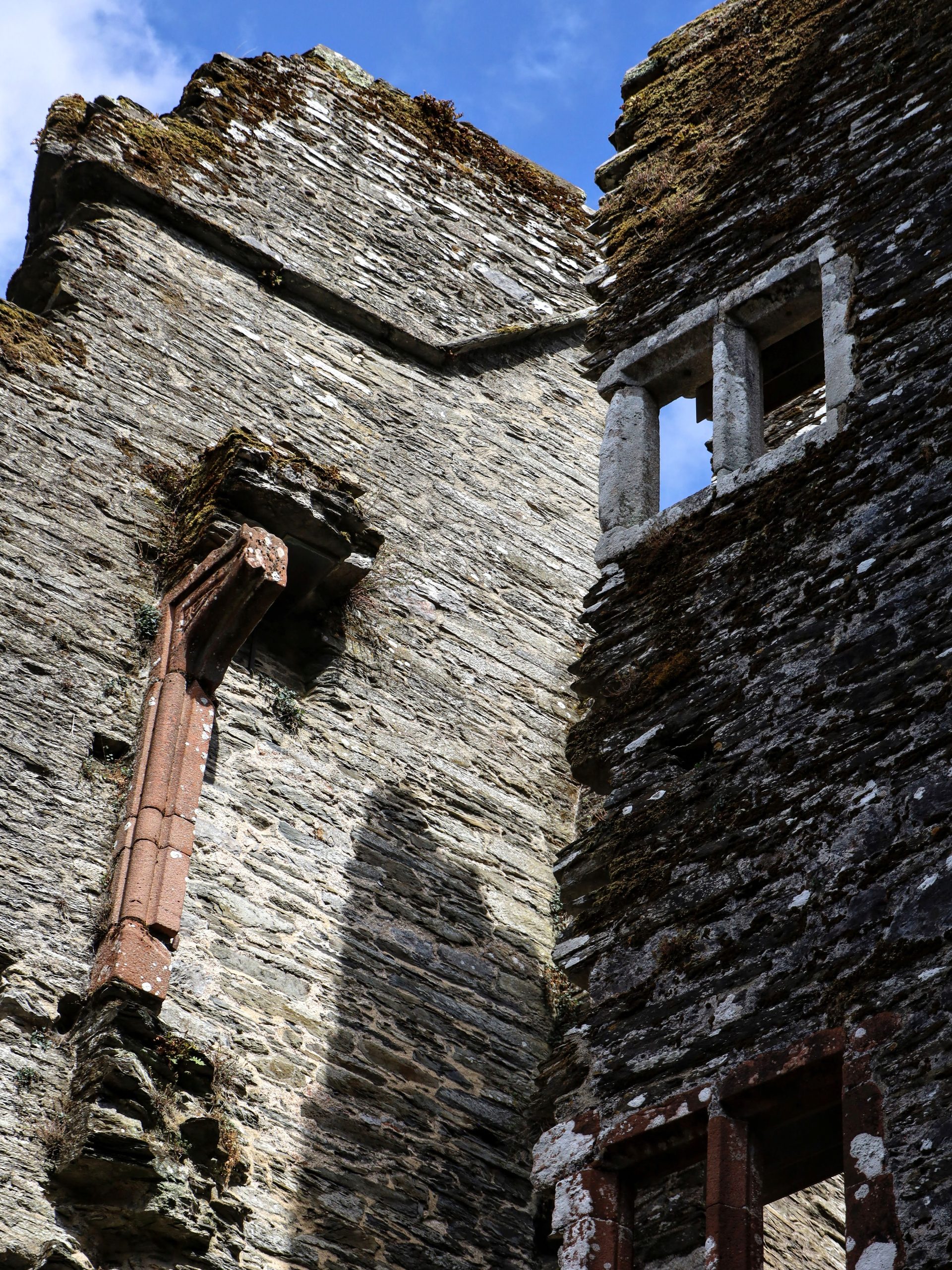
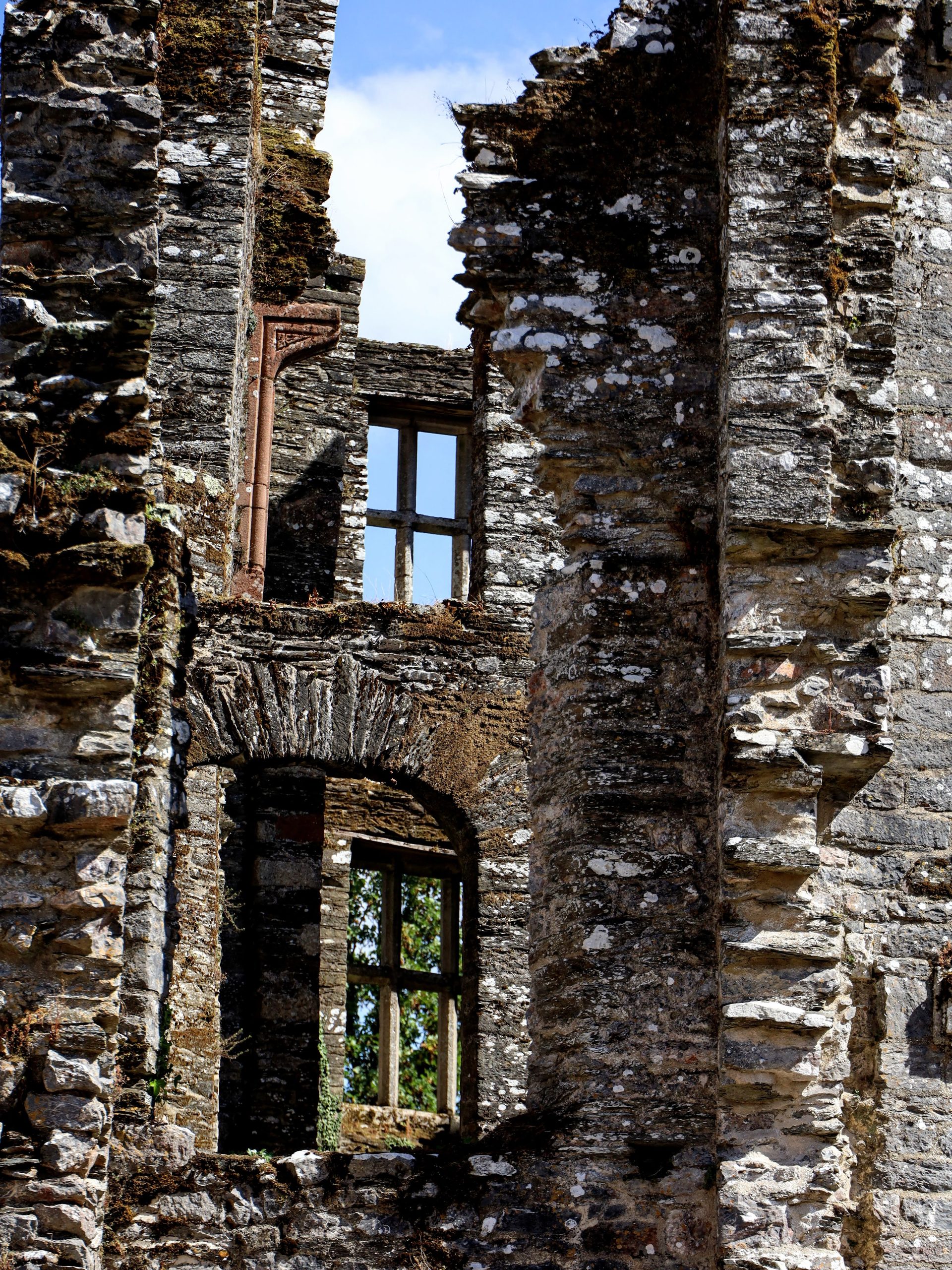
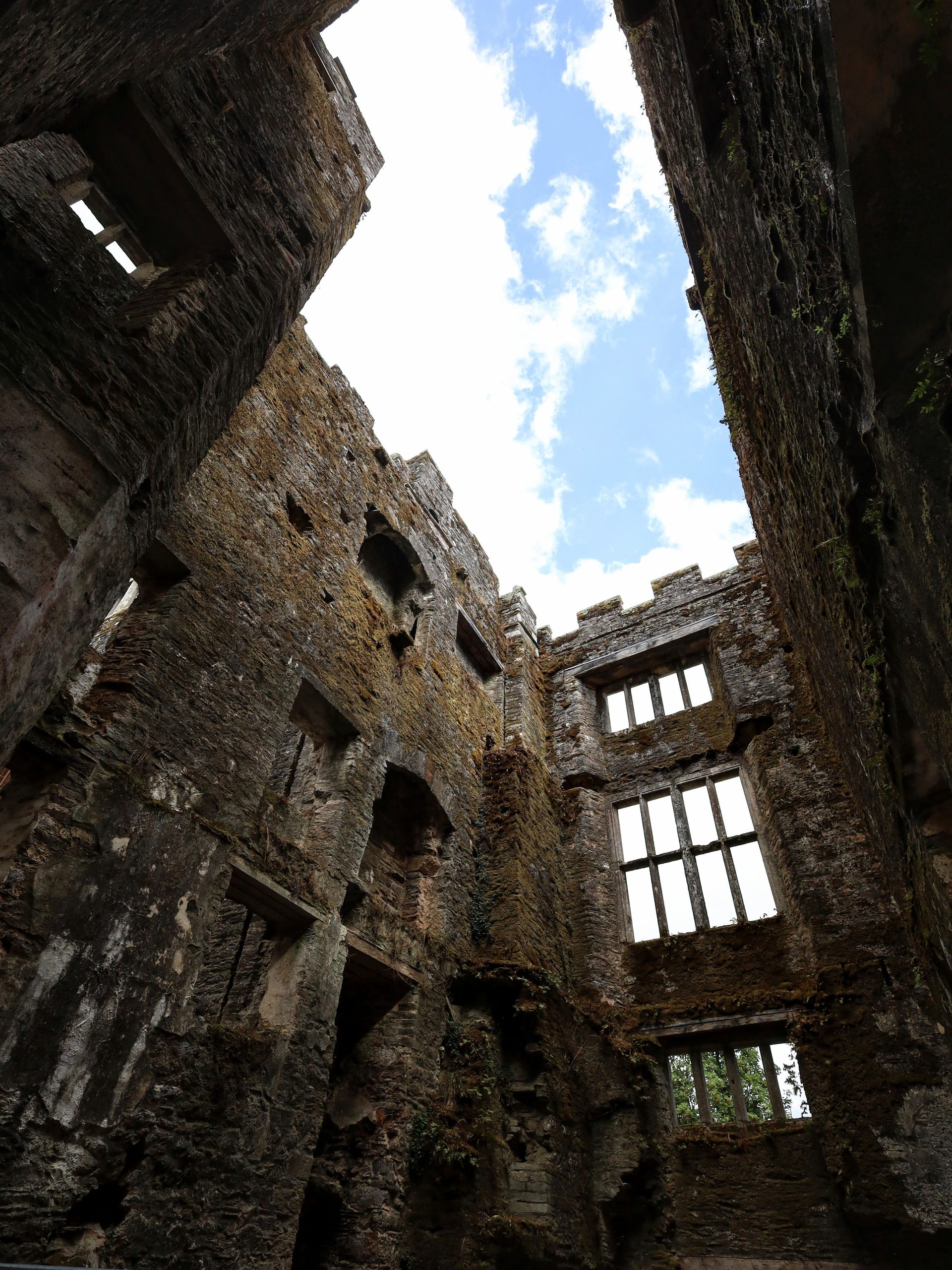
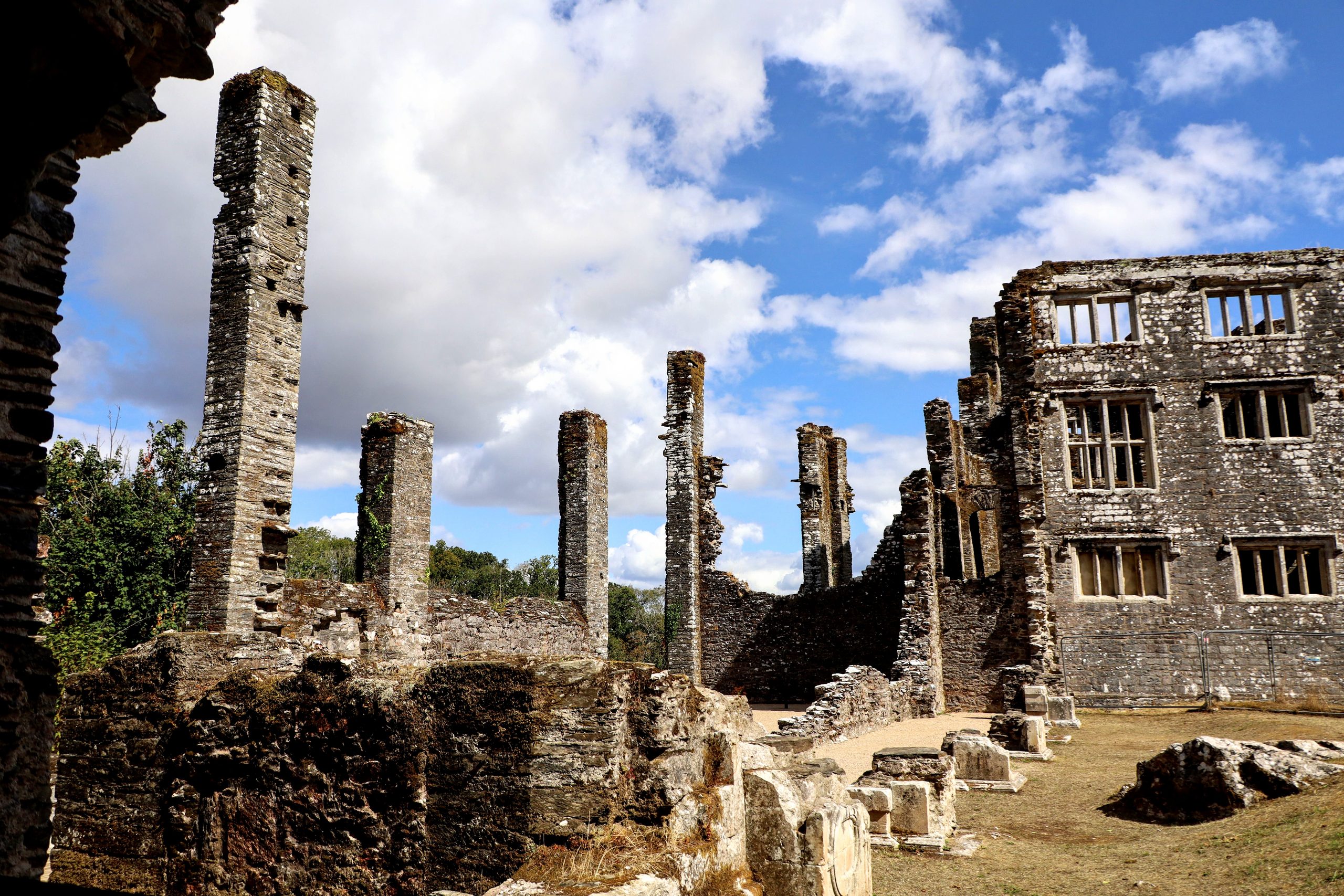
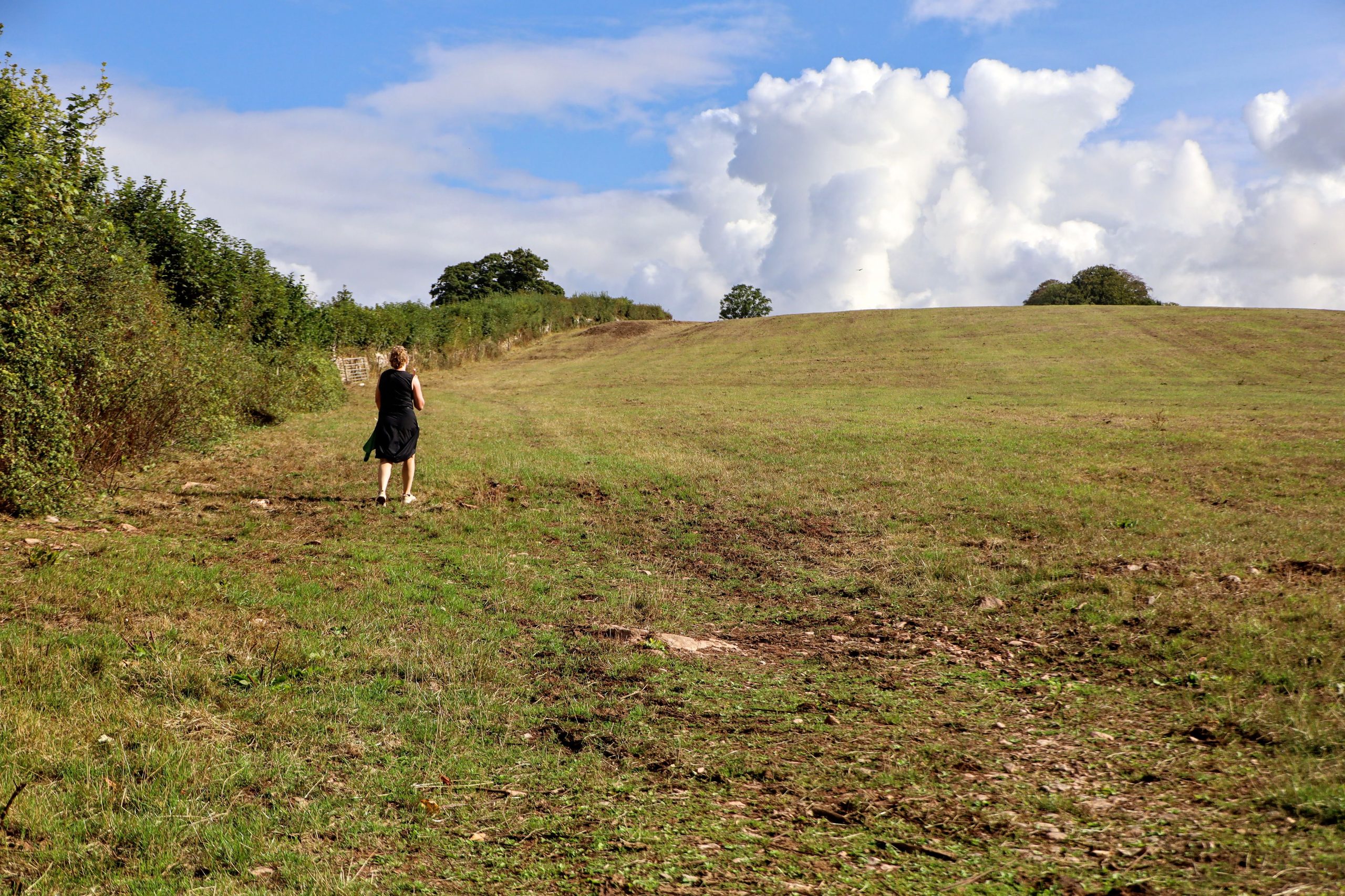
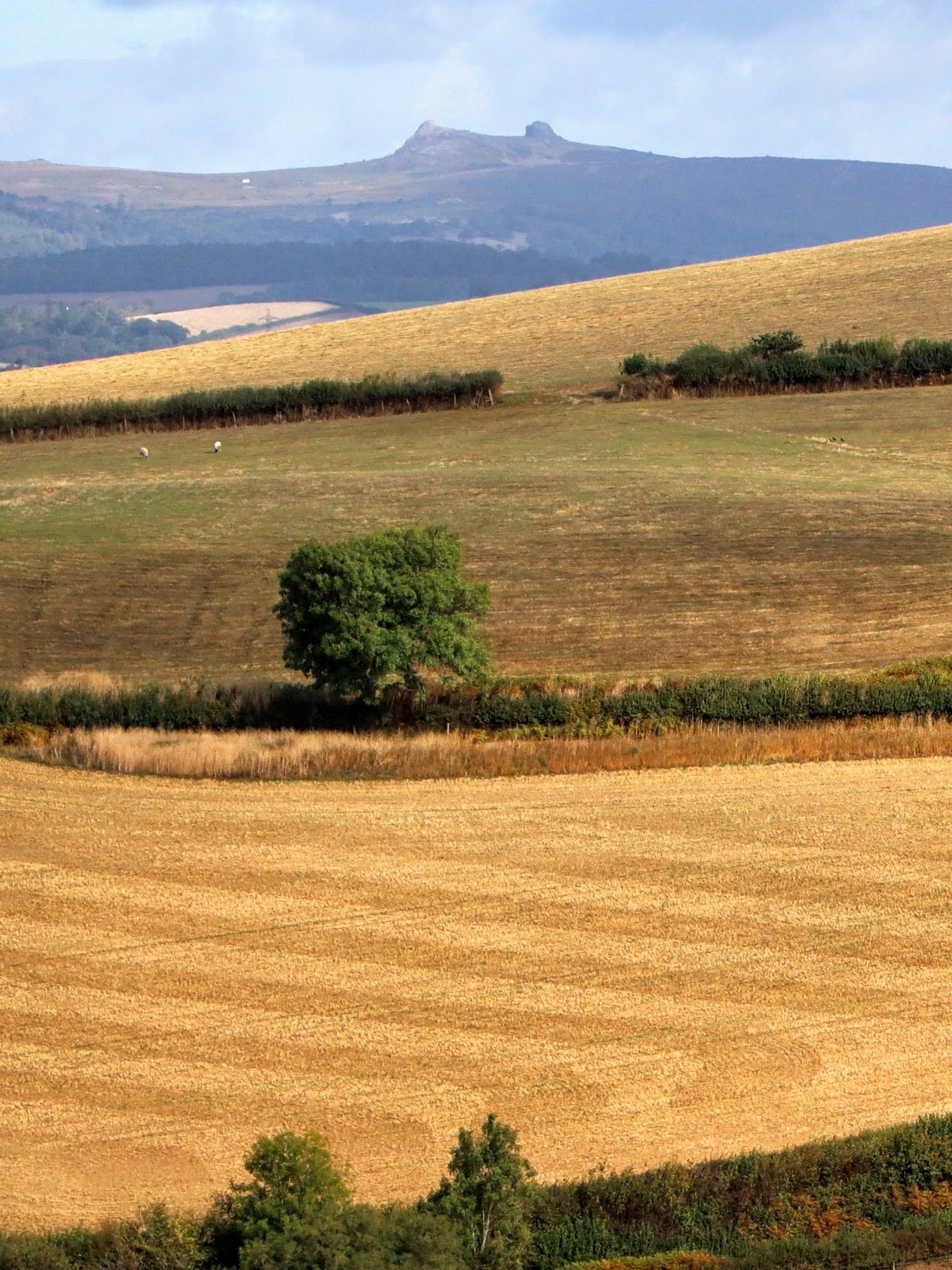
Our walking loop back to Totnes from the castle aligned with the John Musgrave Heritage Trail, first diving down the steep hillside that the castle perches atop. So it felt much more remote, and we saw very few other humans until we returned to the outskirts of Totnes (though we did pass through an unusual “village” of long-term squatters in broken-down campers and hand-built structures squeezed along the sides of an old decaying roadway).
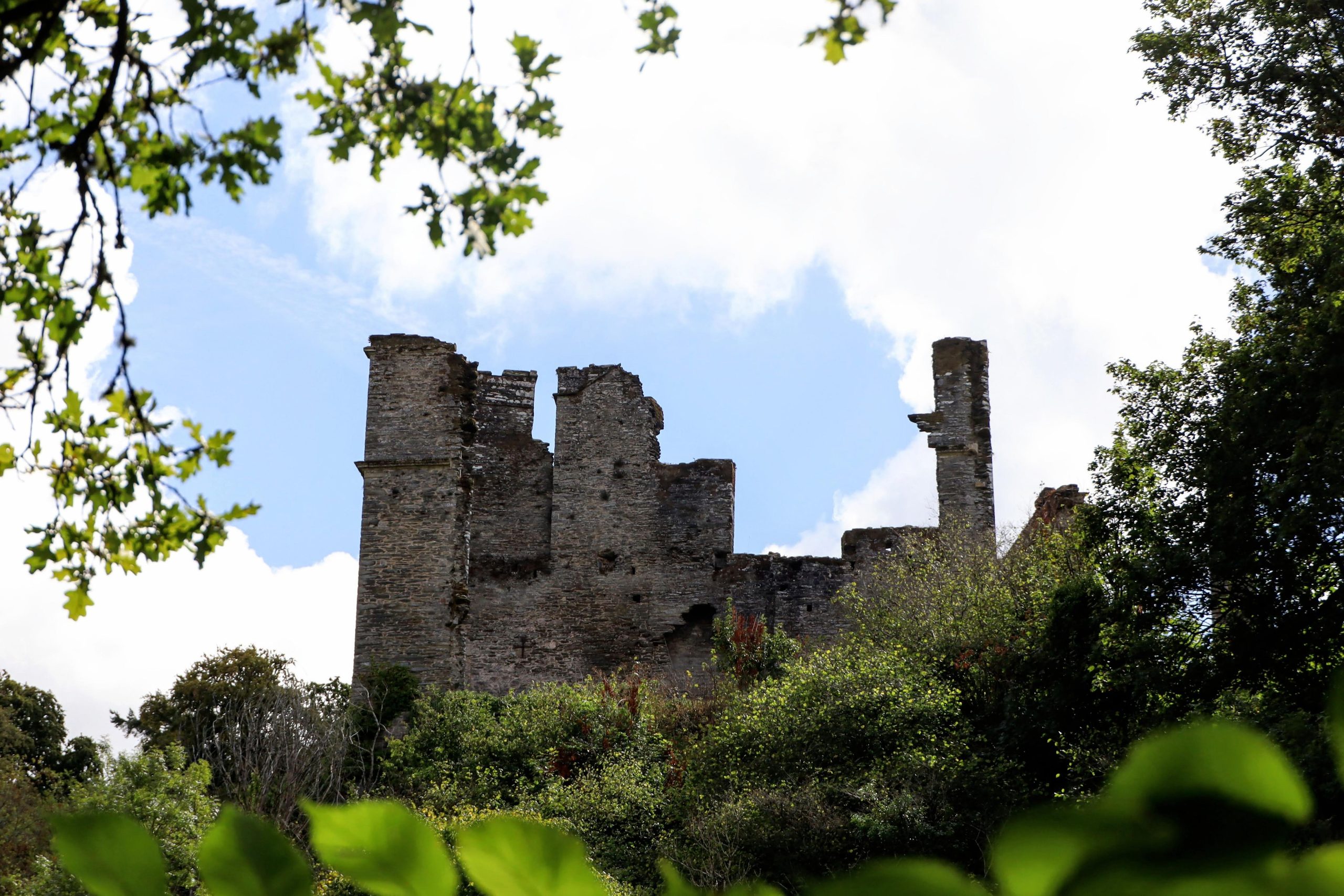
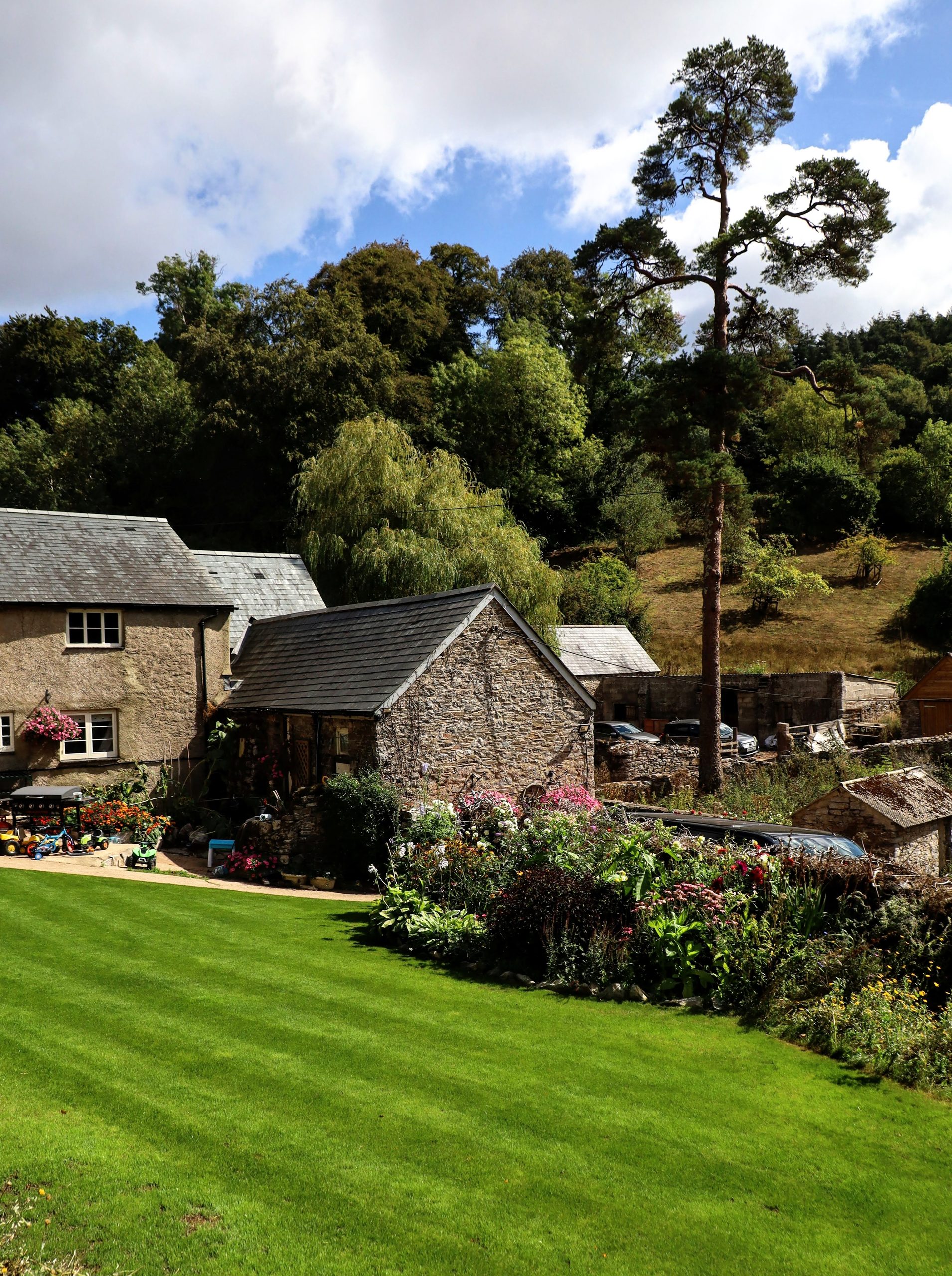

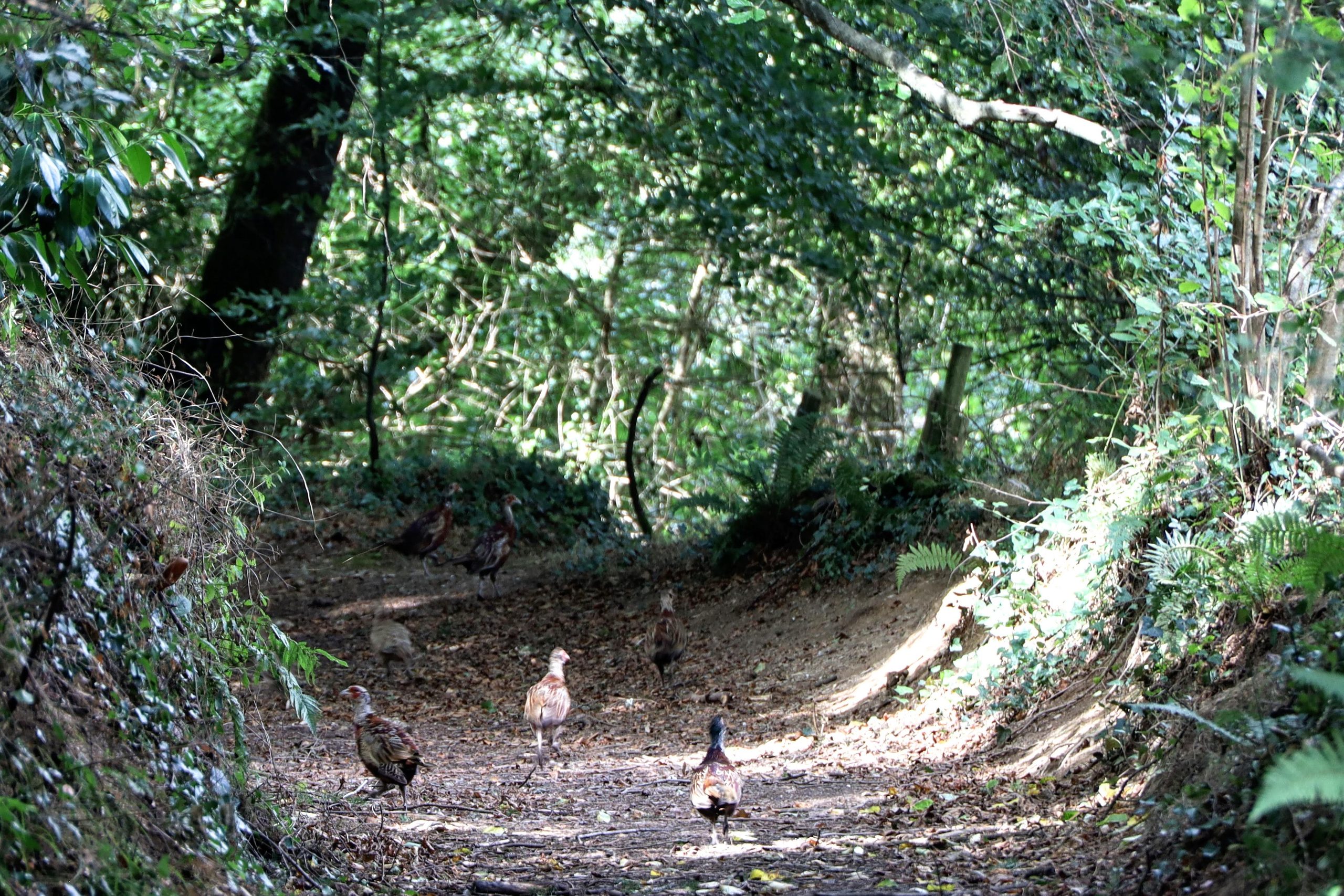

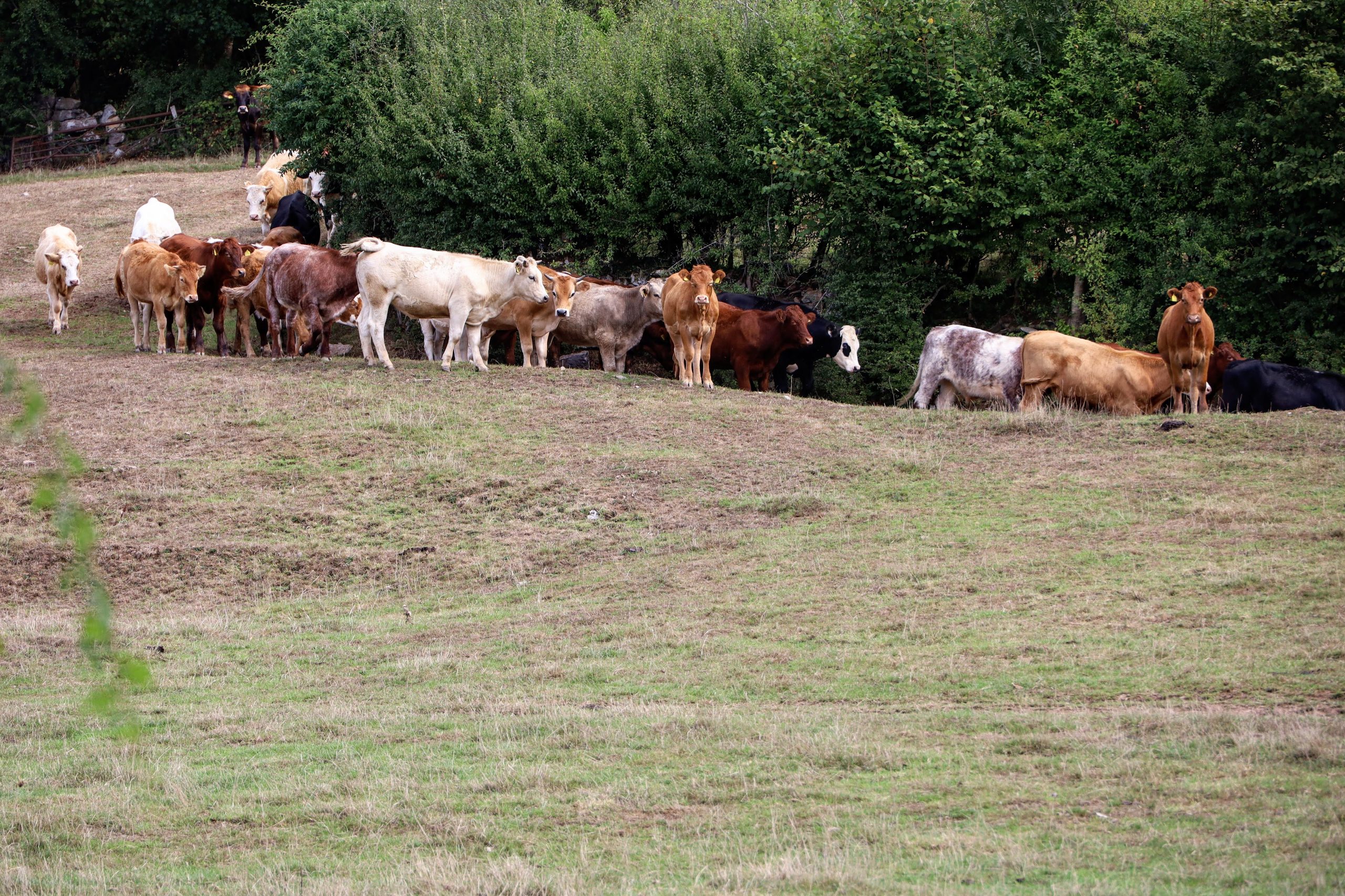
Totnes was much more tourist-filled upon our return than it had been in the morning, though the pub where we stopped for a late lunch was quiet. Rett perused the surprising density of thrift shops while we waited for our “reserved” train.
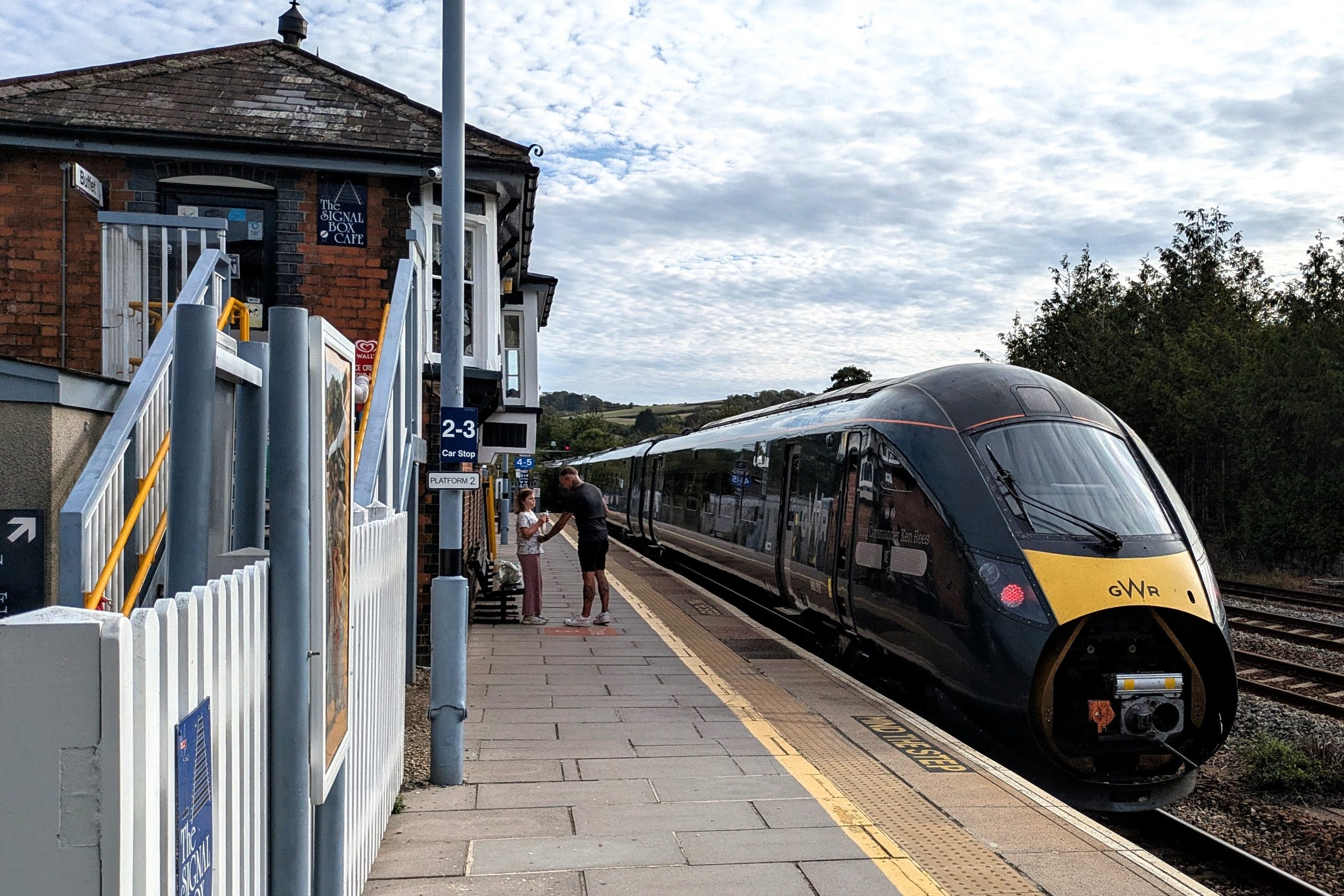
Our train back was actually run by a different company, CrossCountry. In the UK the rail lines are nationalized, but the train operators are private companies (though that 1990s privatization is in the process of being reversed). Our “Day Return” tickets (US$17 each) allowed us to hop on any train, by any operator within that day, but confusingly, also recommended reserving seats, which then sort of ties you to a particular train, no? It turns out that the seat reservations are more of a nice-to-have: every seat has an electronic display indicating whether it’s reserved/available, and between which stops on the train’s overall journey (and a portion of seats are always held as non-reserved). So in the case where people were already sitting in our reserved seats on the way back (and got oddly huffy when we were momentarily confused by that), it was no big deal to just find a couple of available ones. Which is what we would have done if we’d taken an earlier/later train, and thus had no reservations. A seat-reservation/information system like that would sure be nice to have on Amtrak in the US!
This train was 10 minutes late, and we got multiple notices about its delay while waiting on the platform (and it was easy to track online too). It came all the way from Glasgow, so 10 minutes on a train that was literally “CrossCountry”, not bad I’d say. But no, we got an explicit apology for the delay! Clearly, we’re too accustomed to American train service.
Leave a Reply