
24.5 mi / 11.0 mph / 432 ft. climbing
Home: Charlene’s AirBNB
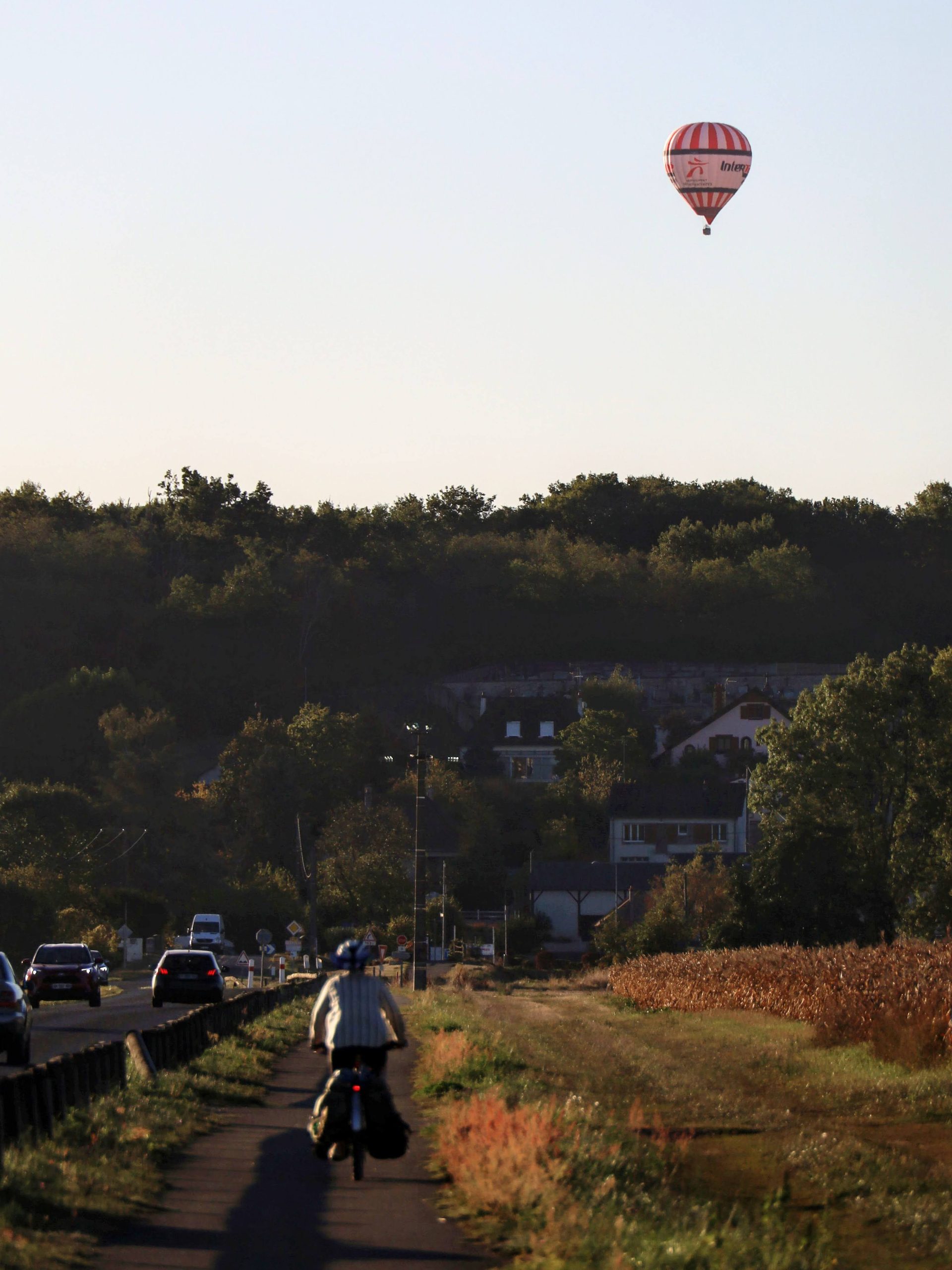
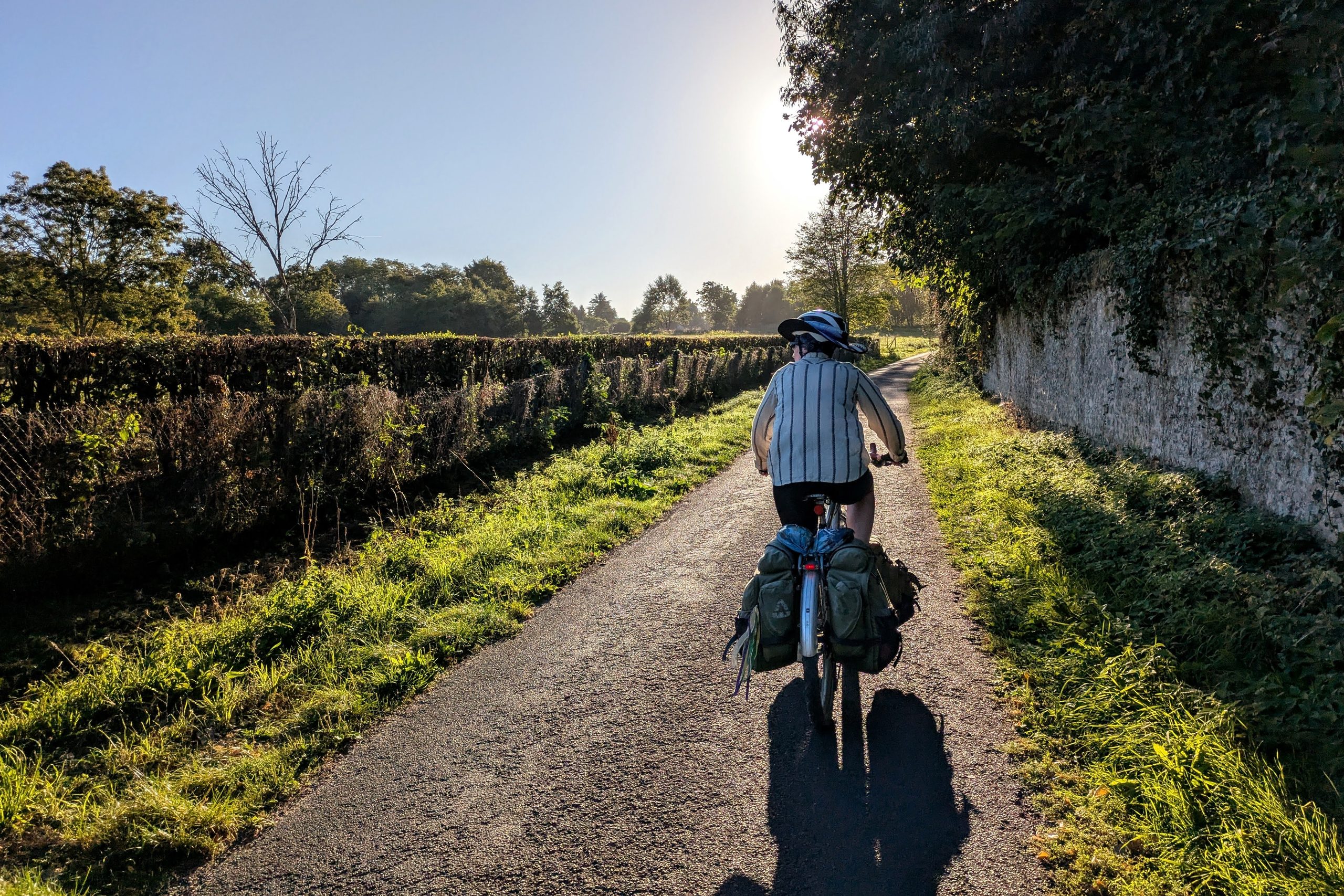
Another short-distance day, but we were out early so that we could make it to a winery before their lunchtime closure. We were too early to take much advantage of today’s even-stronger tailwind, but the 55°F temperature and the shade of the south side of the river bank kept us operating efficiently in the coolness.
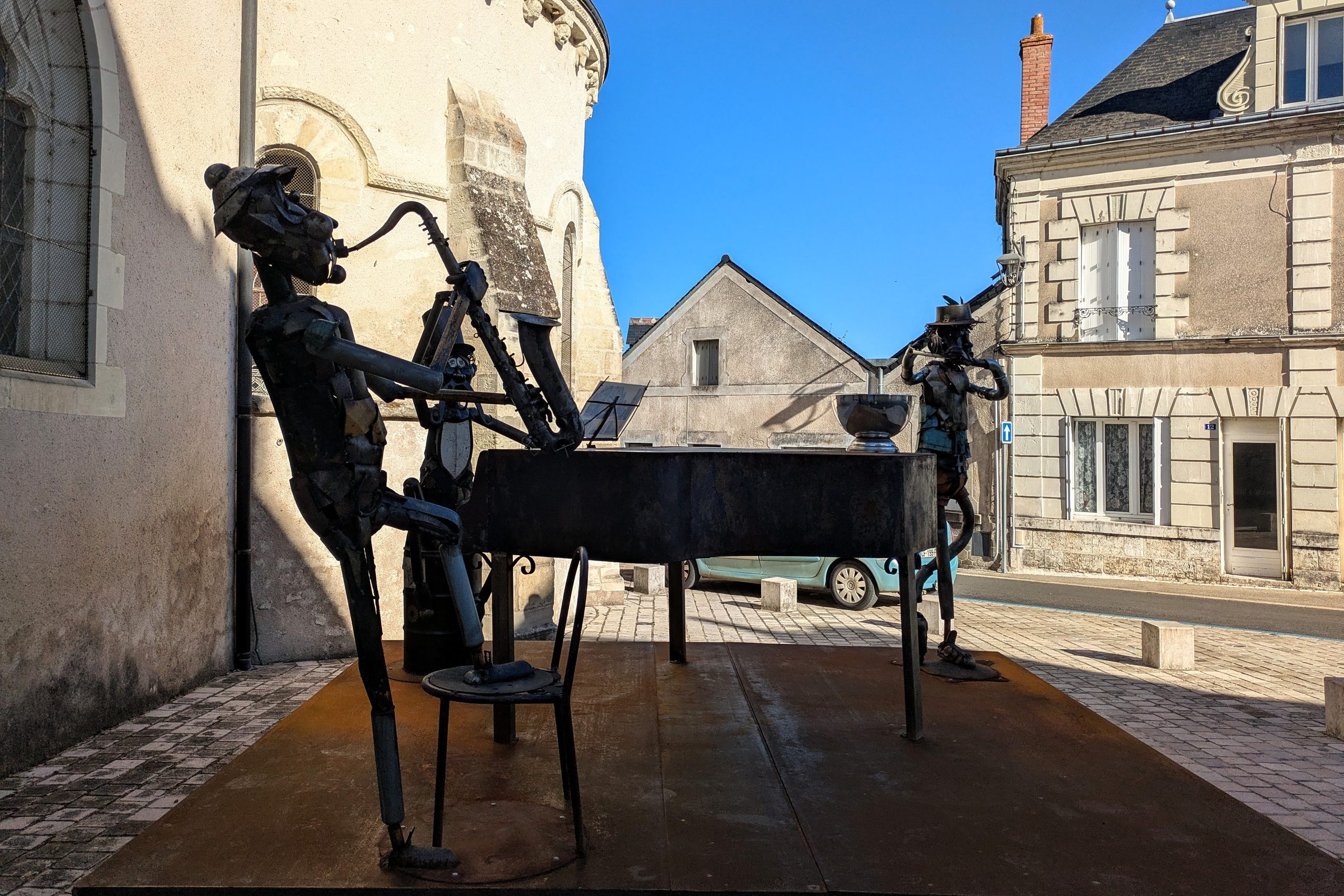
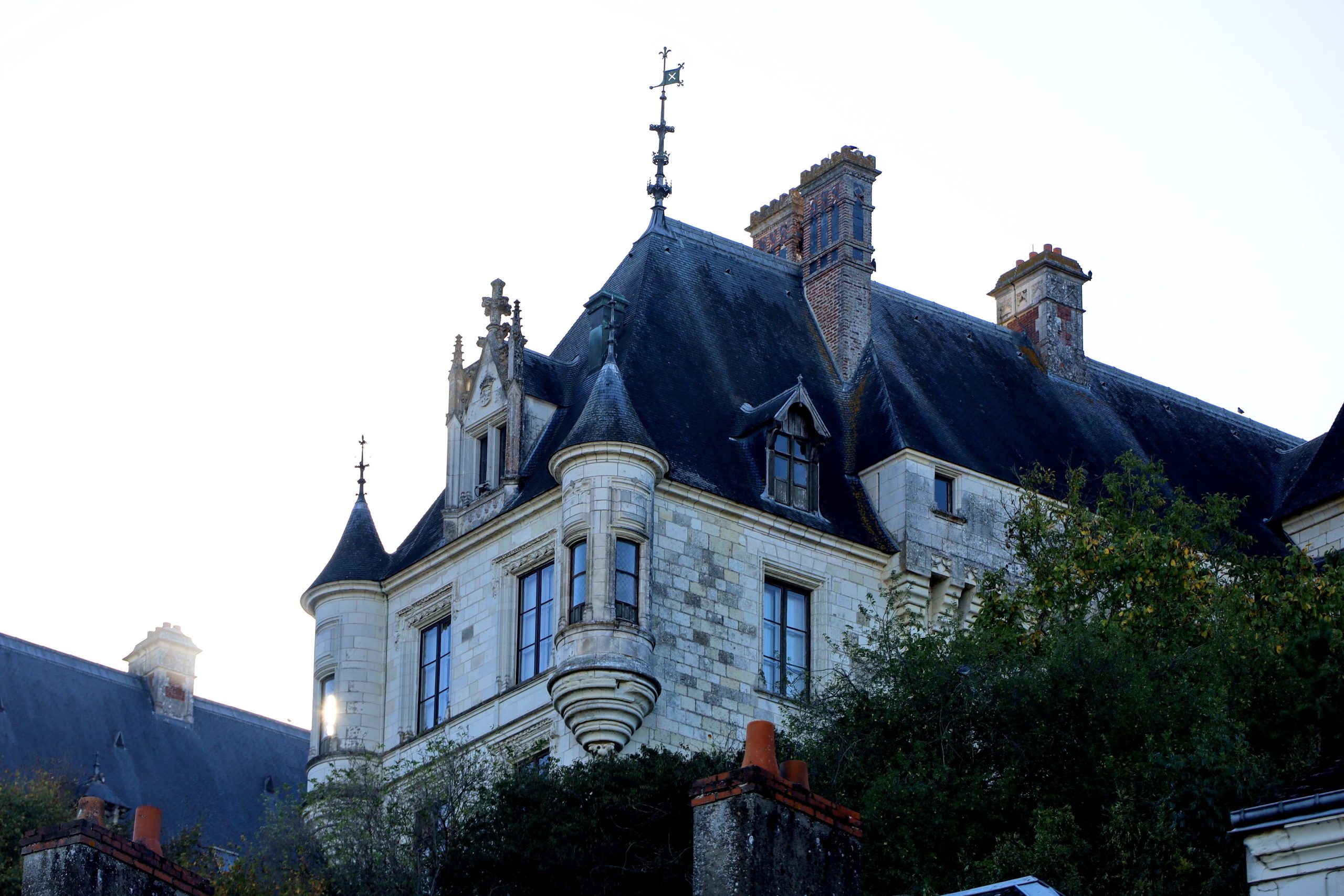
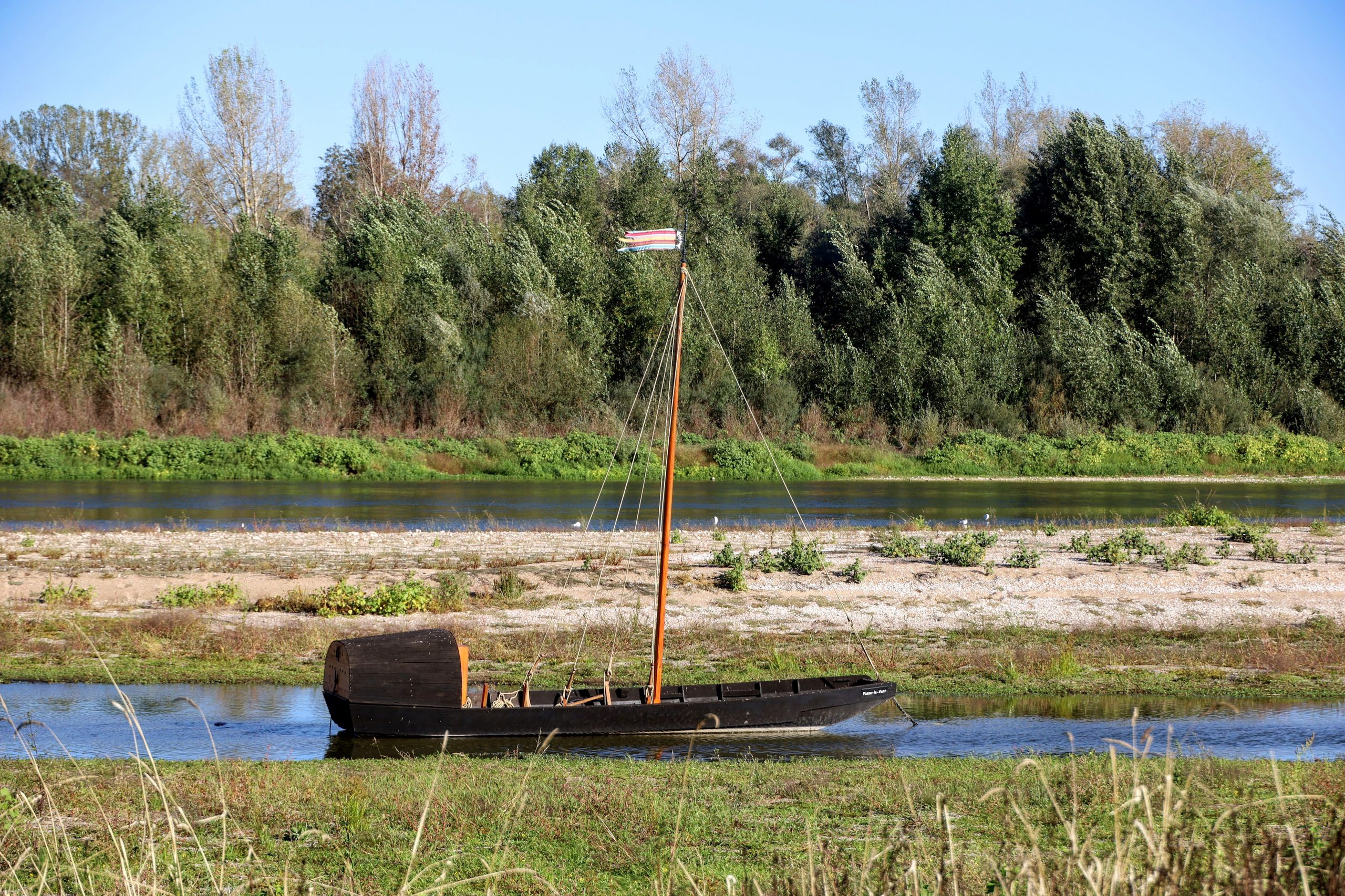
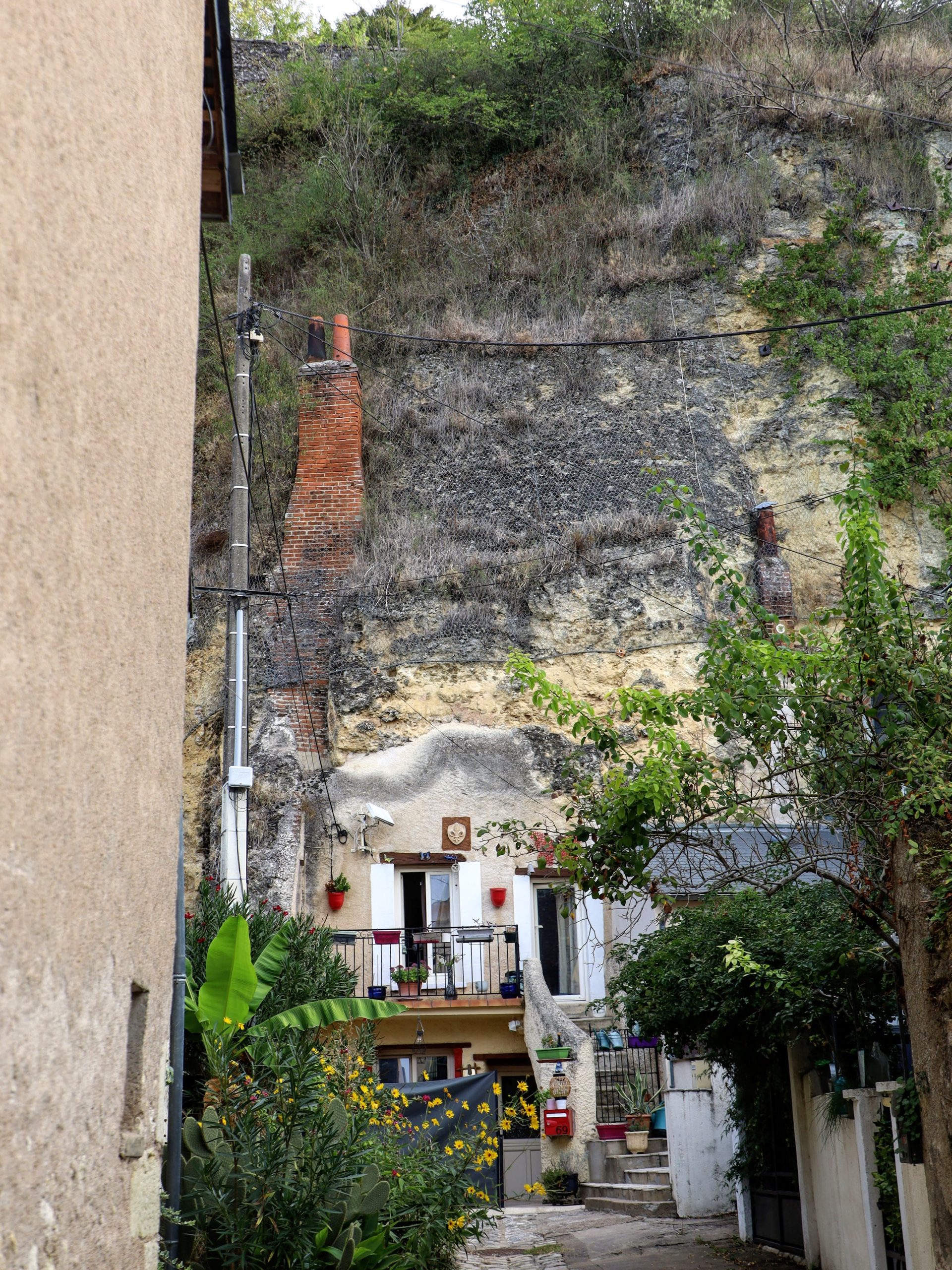
We’ve bounced back and forth between both banks of the Loire, and up until now it’s been a broad, shallow barely-a-valley, with levee walls built-up to enforce a containment on the river where the natural landscape expressed indifference. But suddenly on the south bank, the road got squeezed between the water and natural cliffs rising sharply to the left. And people have dug all sorts of things into those cliffs. Mainly storage spaces, or rough garages, but sometimes whole houses, or at least houses half-built into the rock walls behind them.
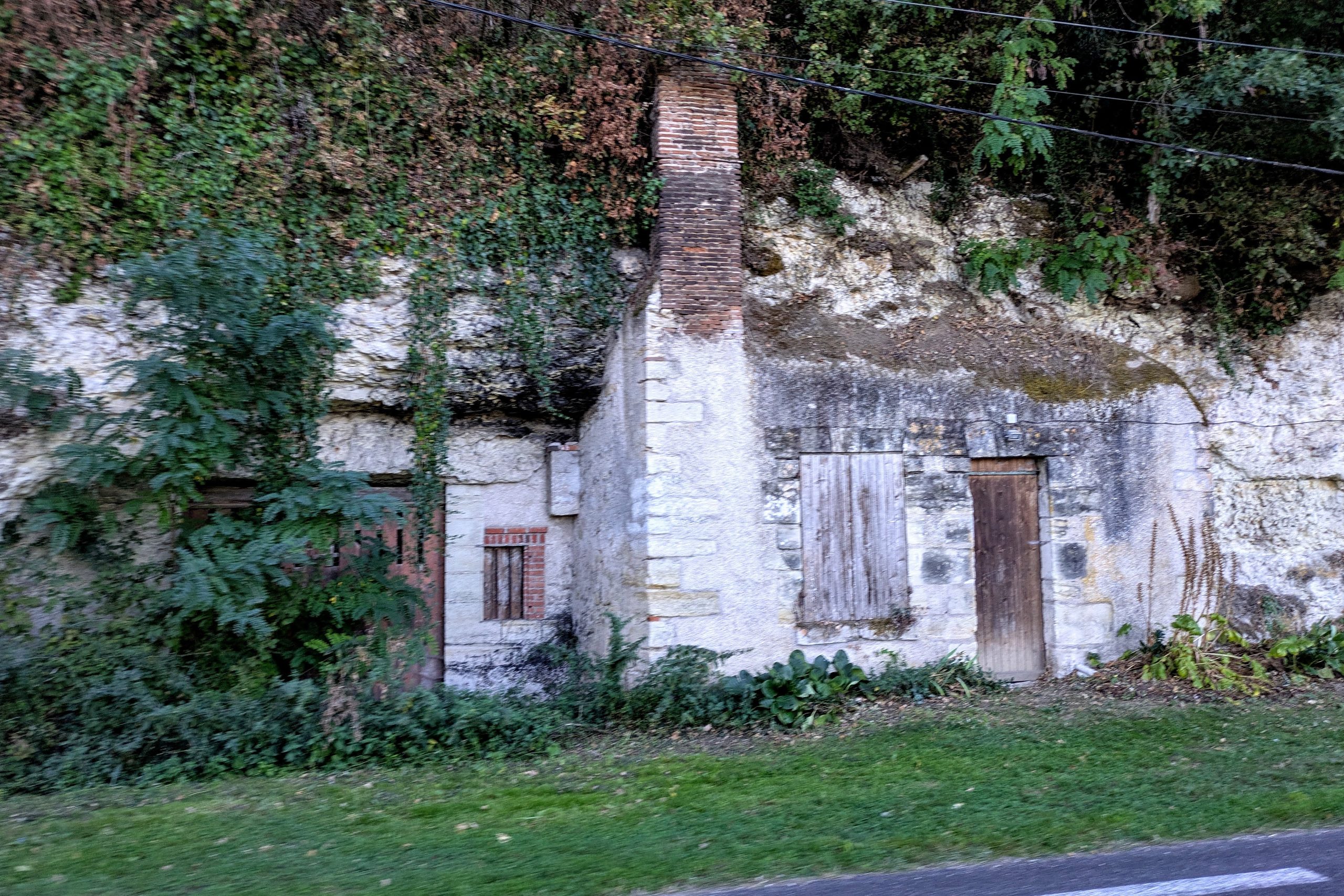
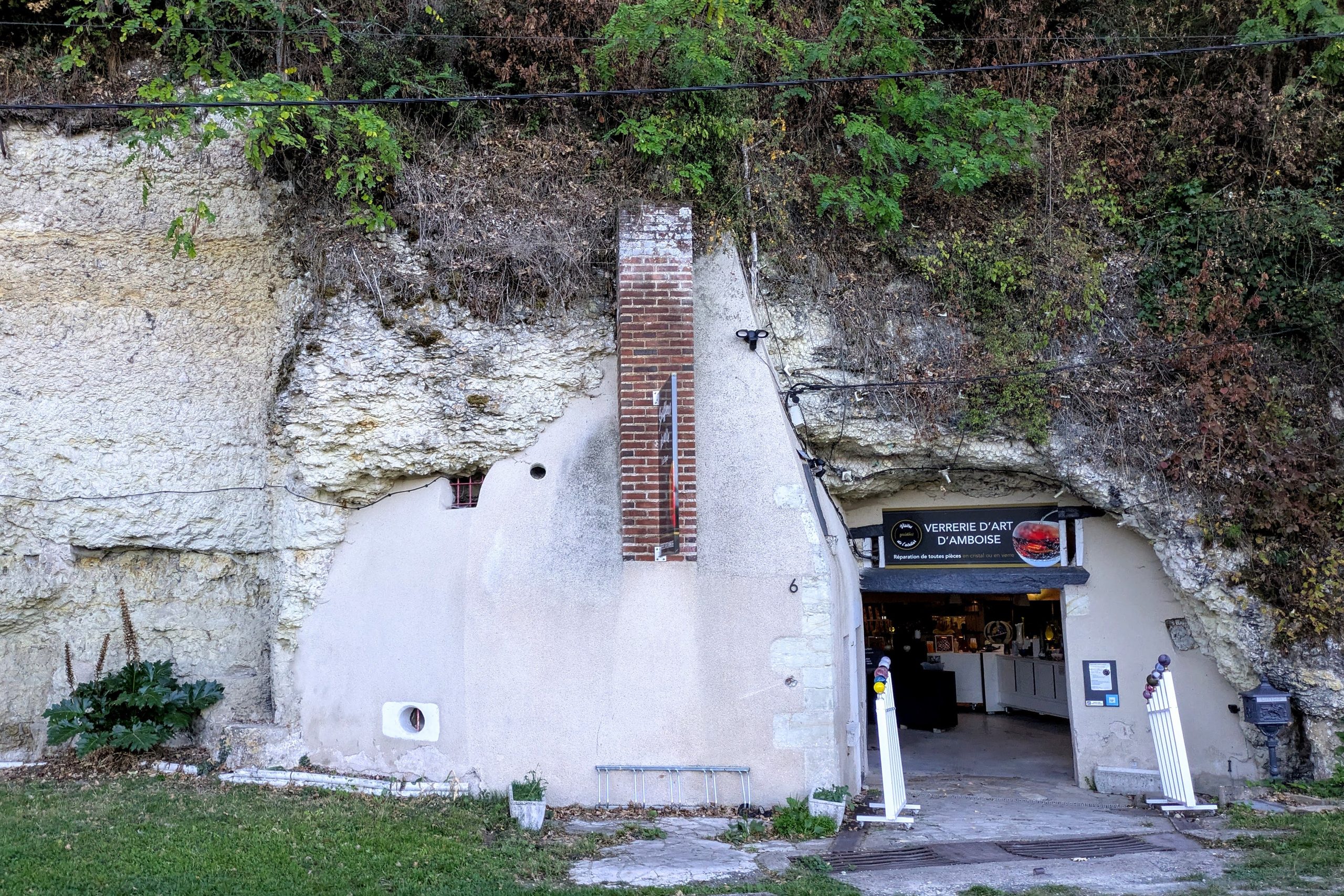
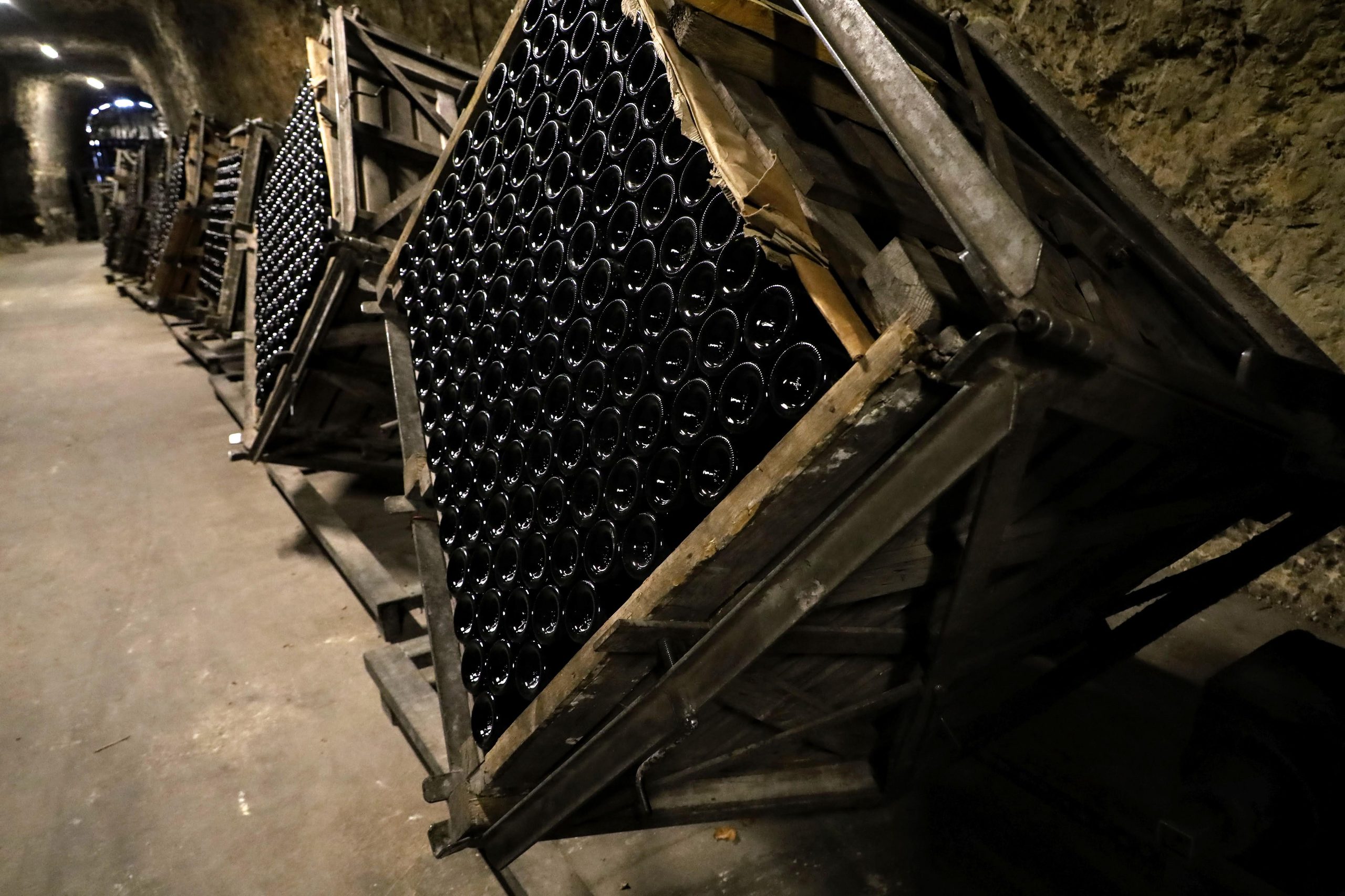
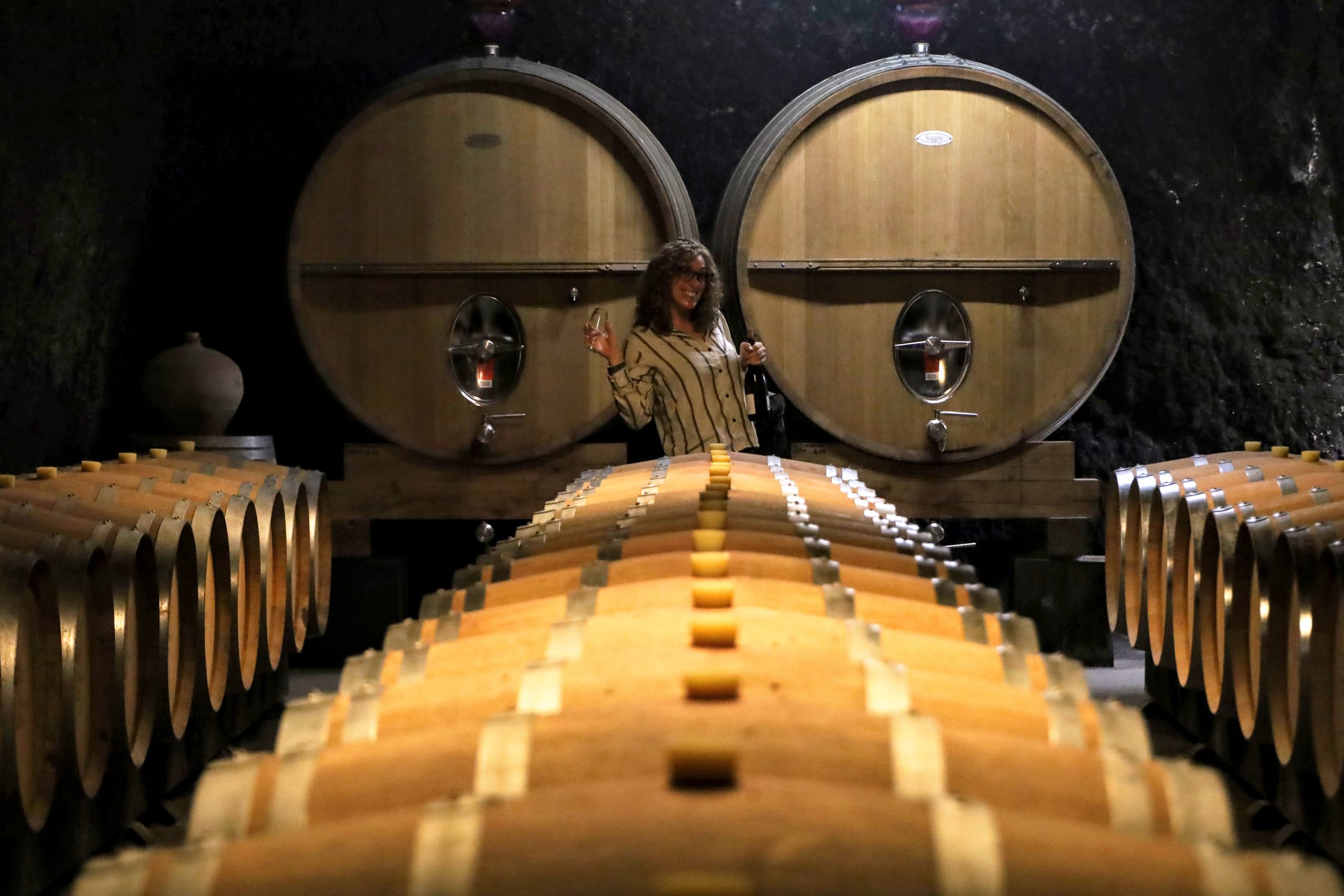
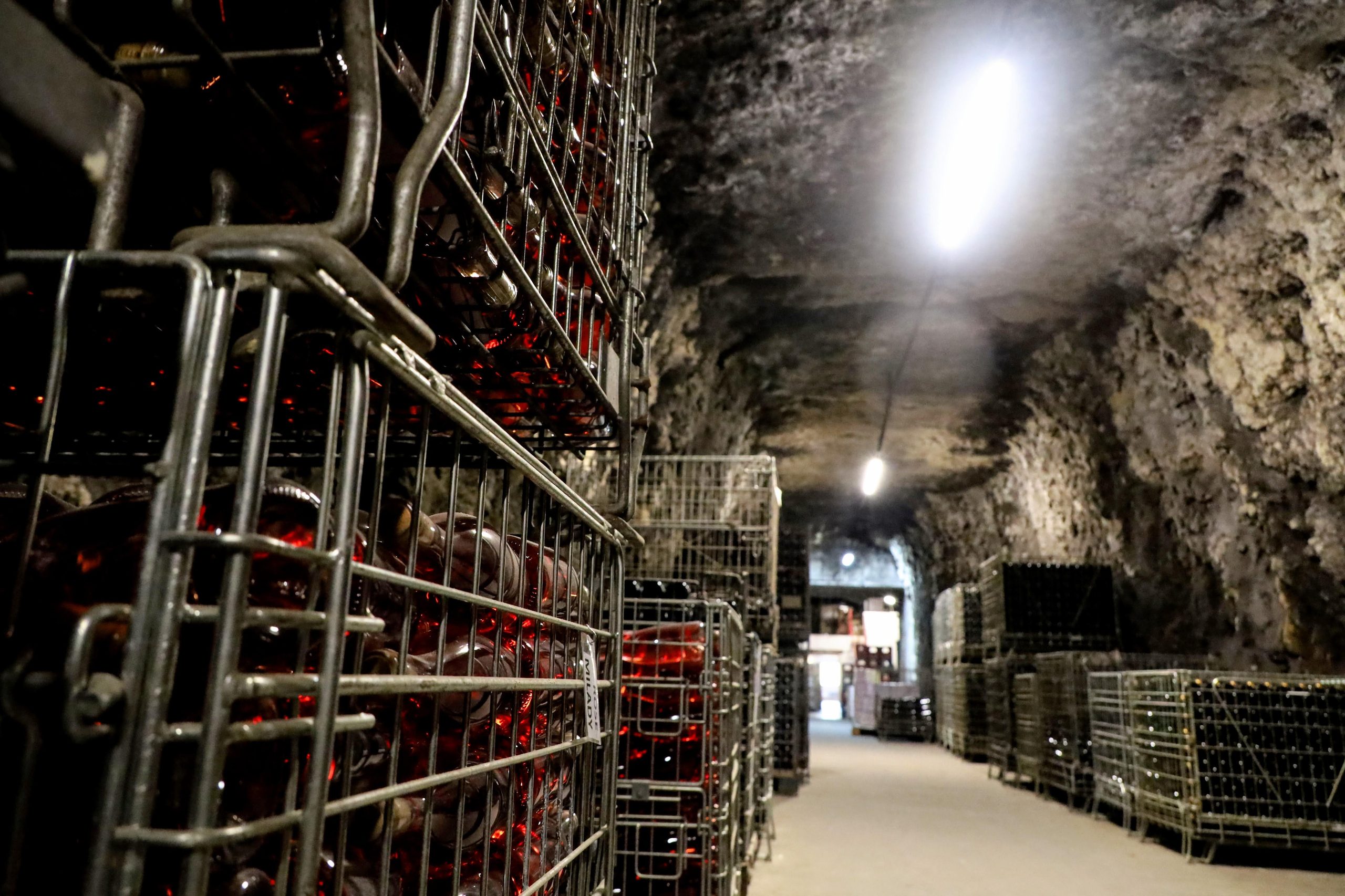
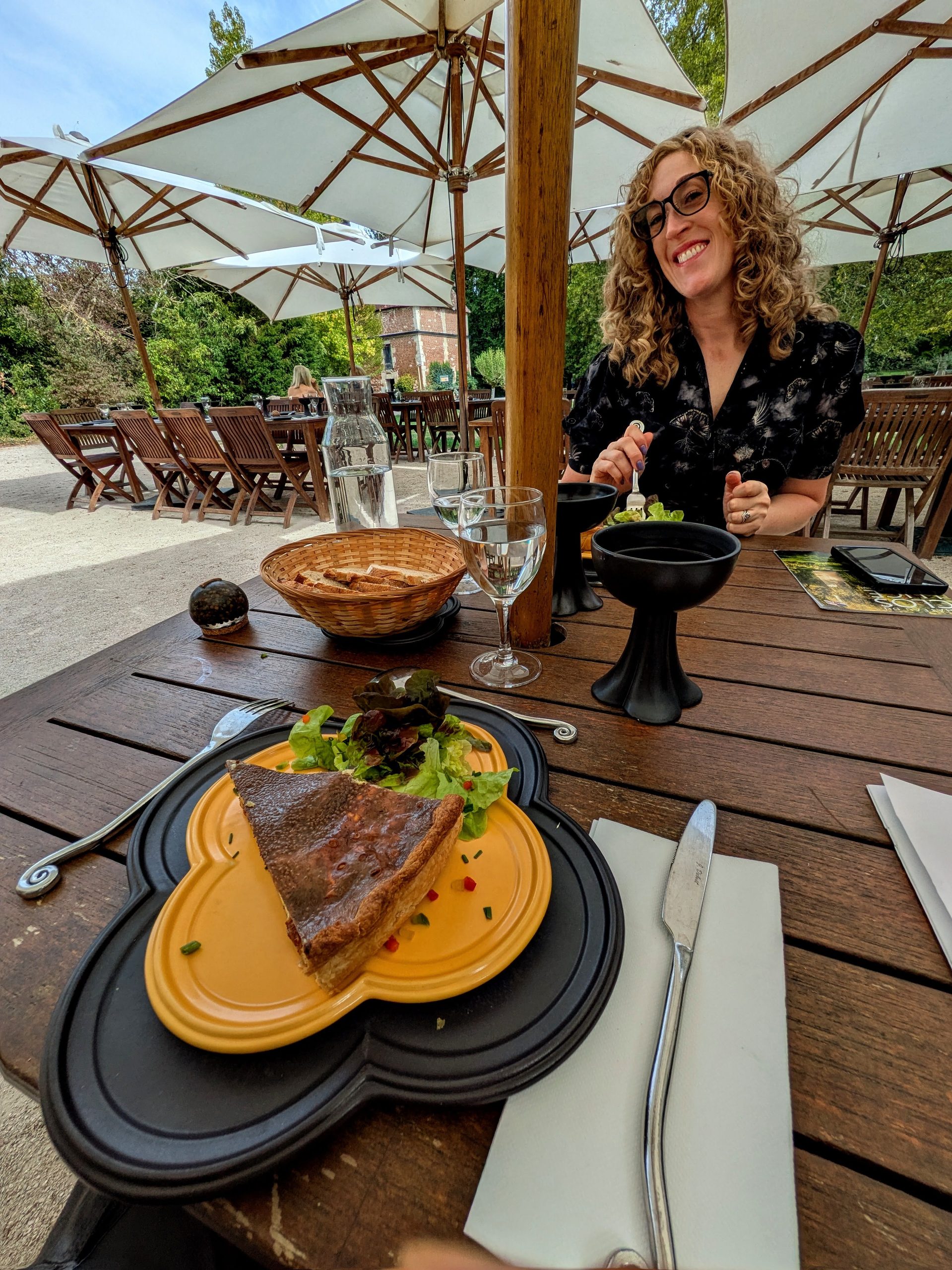
One obvious use for the caves would be storing wine, and in fact we began seeing vineyards who did just that (though I want to learn if they discovered that they could put their wine in the caves, or if they planted grapes on top of the cliffs because of the nearby caves). We made it to Plou et Fils early enough to have quick (and free!) tasting, allowing us to choose a bottle to buy. We guided ourselves through their caves, and then grabbed our charcuterie lunch (filled with fancy cheeses we selected earlier from a small village shop), and hiked it up the cliff to have a picnic amongst the vines.
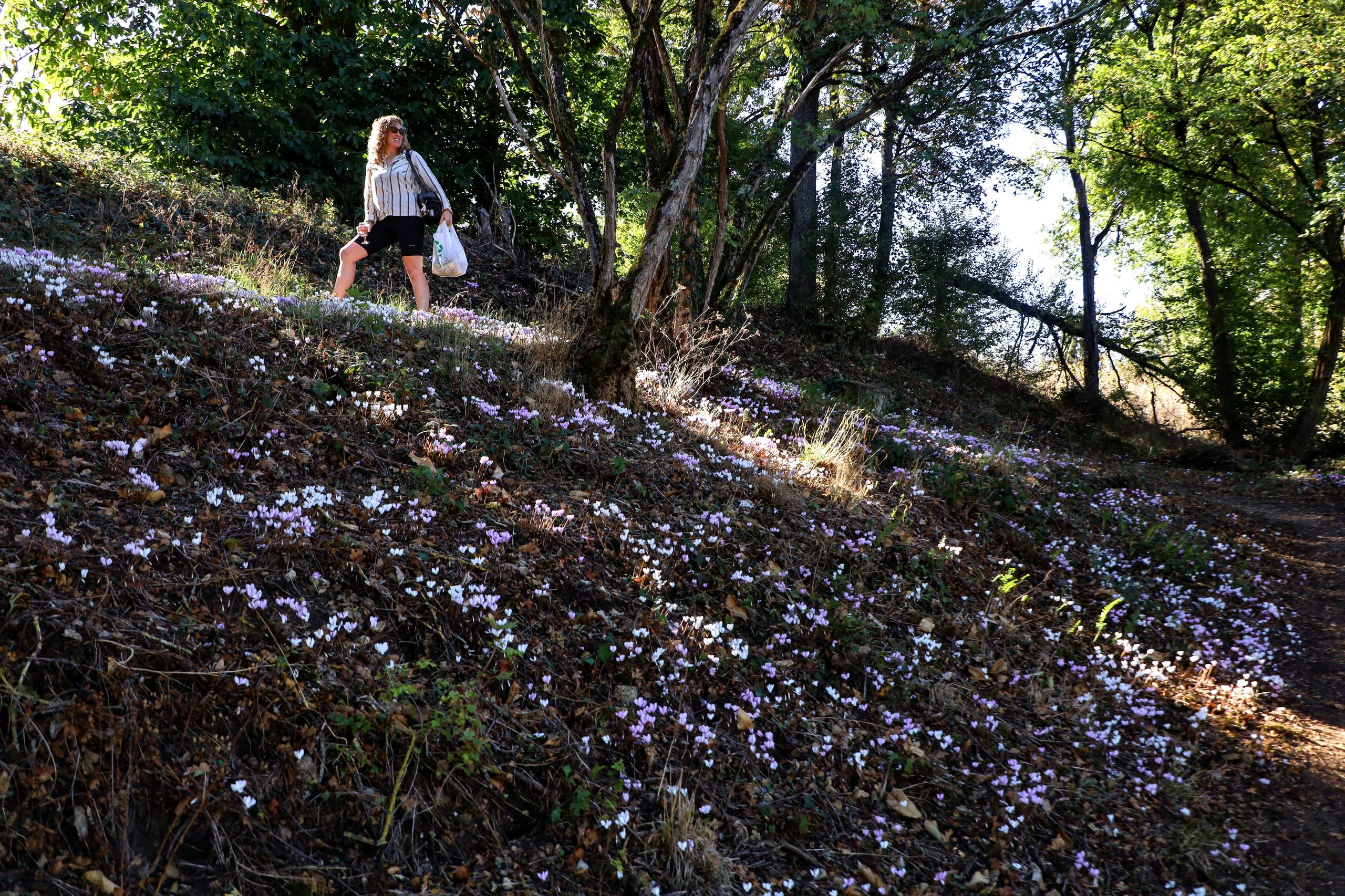
We hadn’t explicitly scheduled this perfect French-vineyard lunch date to celebrate our 5th anniversary, but it was a nice coincidence! Not the 5th anniversary of our wedding, but the 5th anniversary of the day we rode out from our last permanent home, in Redmond, Washington. It did have pleasing echoes, however, of our 6th wedding anniversary two years ago: on both occasions, we were riding west, summer was holding off autumn, and we turned into a low-key, unpretentious, family-owned winery for a picnic lunch.
I suppose this is sacrilege, but in one way our “nomadacy anniversary” actually feels more-significant than our wedding anniversary: for the latter, there was very little outward change in our lives between the day before and the day after our wedding, whereas our lives explicitly and entirely changed 1825 days ago.
We spent the lunch seeking other echoes from the last five years. First looking back to the random places around the world where we celebrated the previous four editions: Nova Scotia, Park Ridge, Rhode Island, and Peru. And then just remembering random days and places. Rett surprised me by remembering many places I had forgotten; most of the time I feel like the only places I remember are ones that I’ve written about or taken photos of, so it was amazing to relive times we’ve had together that hadn’t passed through my consciousness in years. And what defines a long-term relationship more than a set of shared memories?
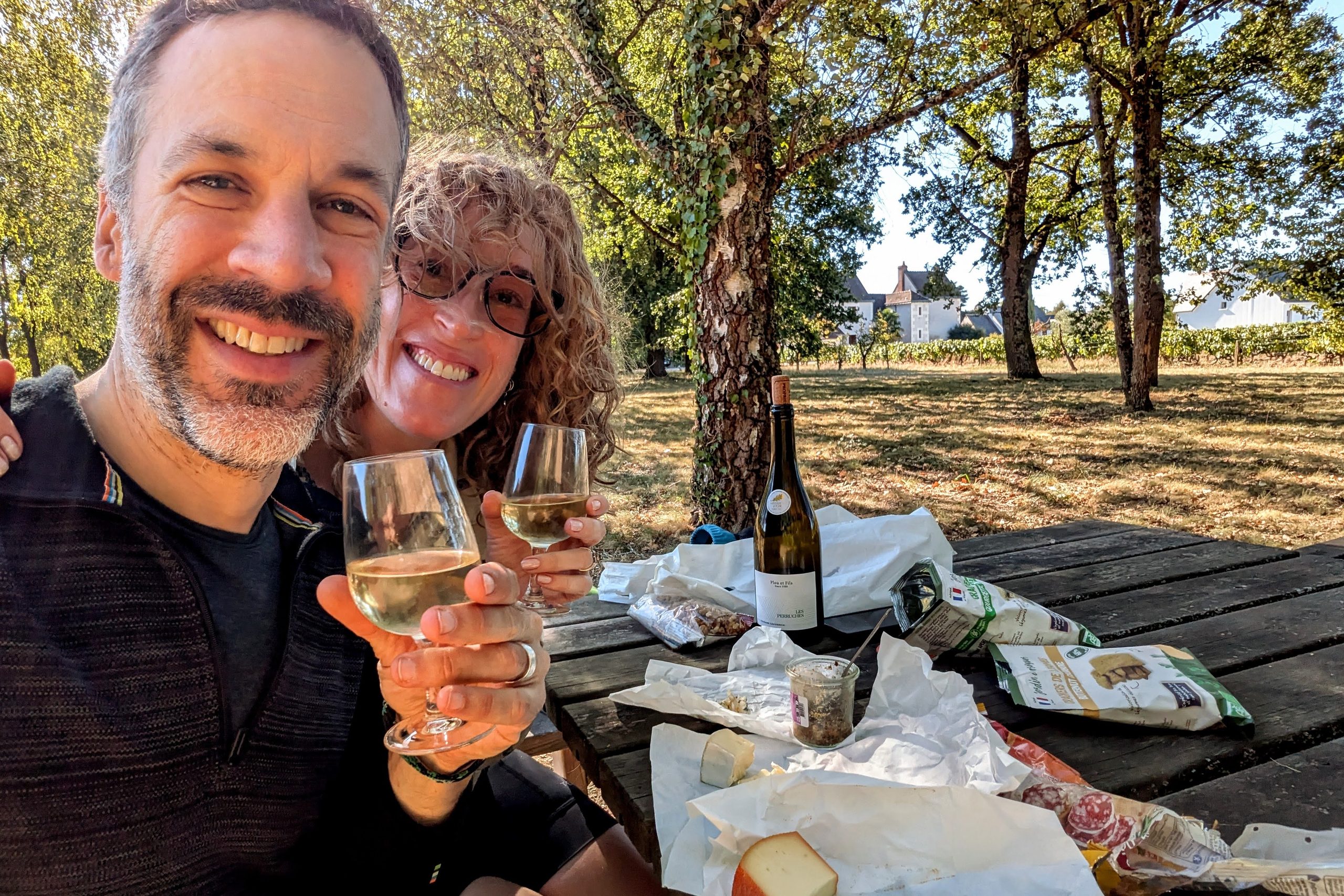
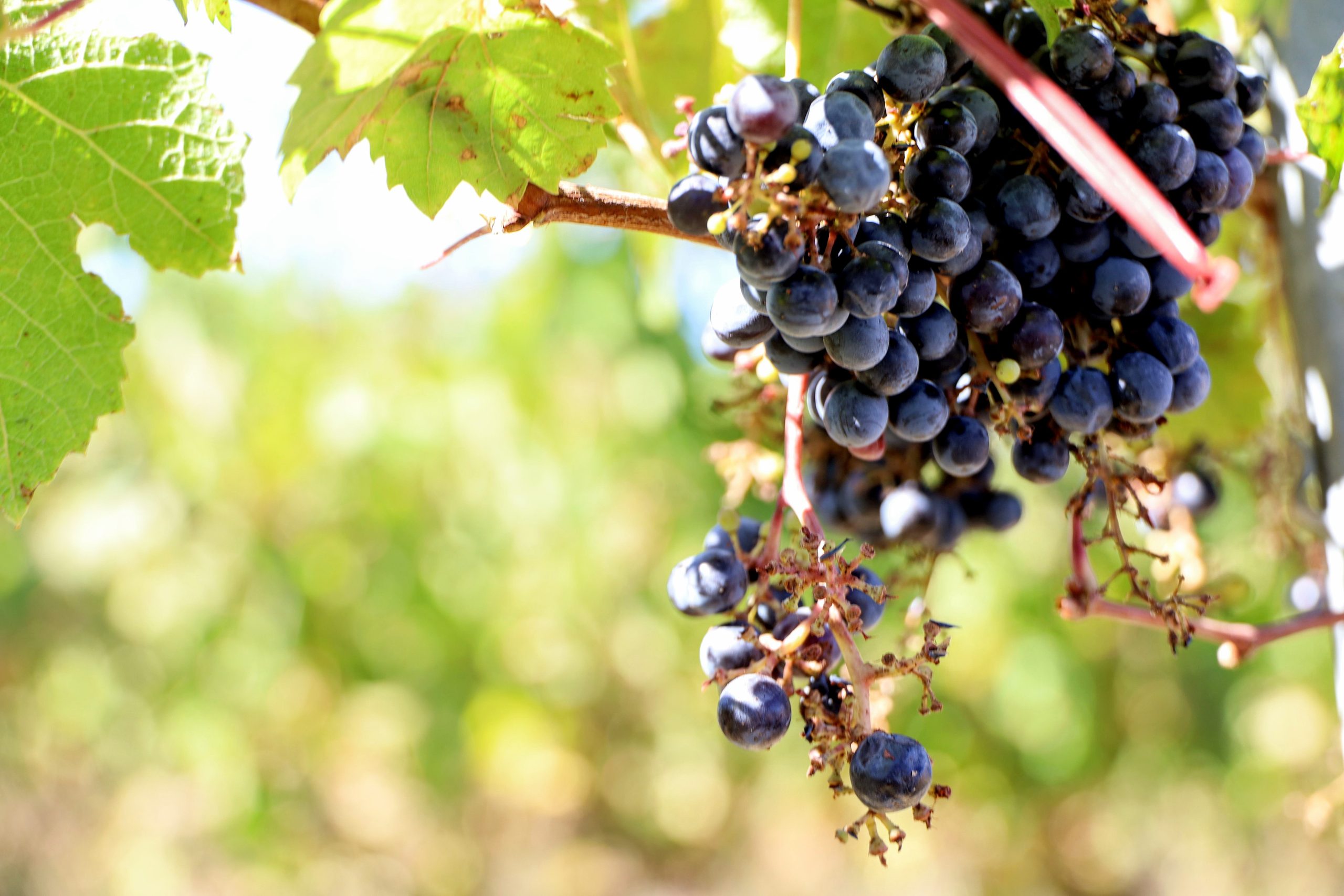
We had the picnic ground entirely to ourselves, and then took off for a self-guided tour through the vineyards. The grapes had been harvested, but Rett was able to find plenty of that had been missed for taste-tests, perhaps intentionally left just for that purpose?
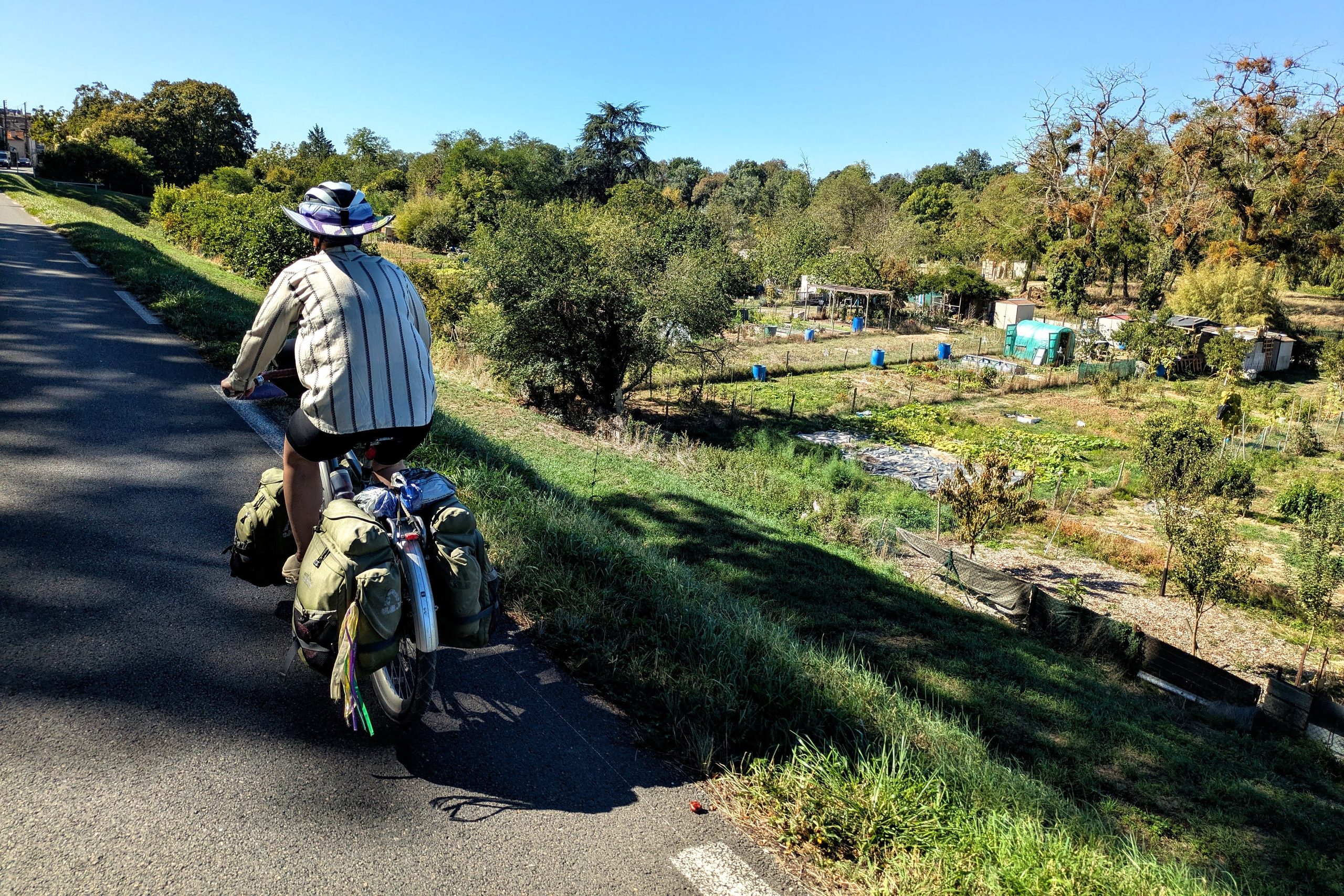
We pedaled the last few miles into Amboise, stopped at an Aldi for groceries, and then Rett collapsed under a sudden exhaustion-wave that hit just before we arrived to our AirBNB. She fell asleep on the couch for an hour or two which helped, as will the couple days off we’d already planned in Amboise.
Days 2-3
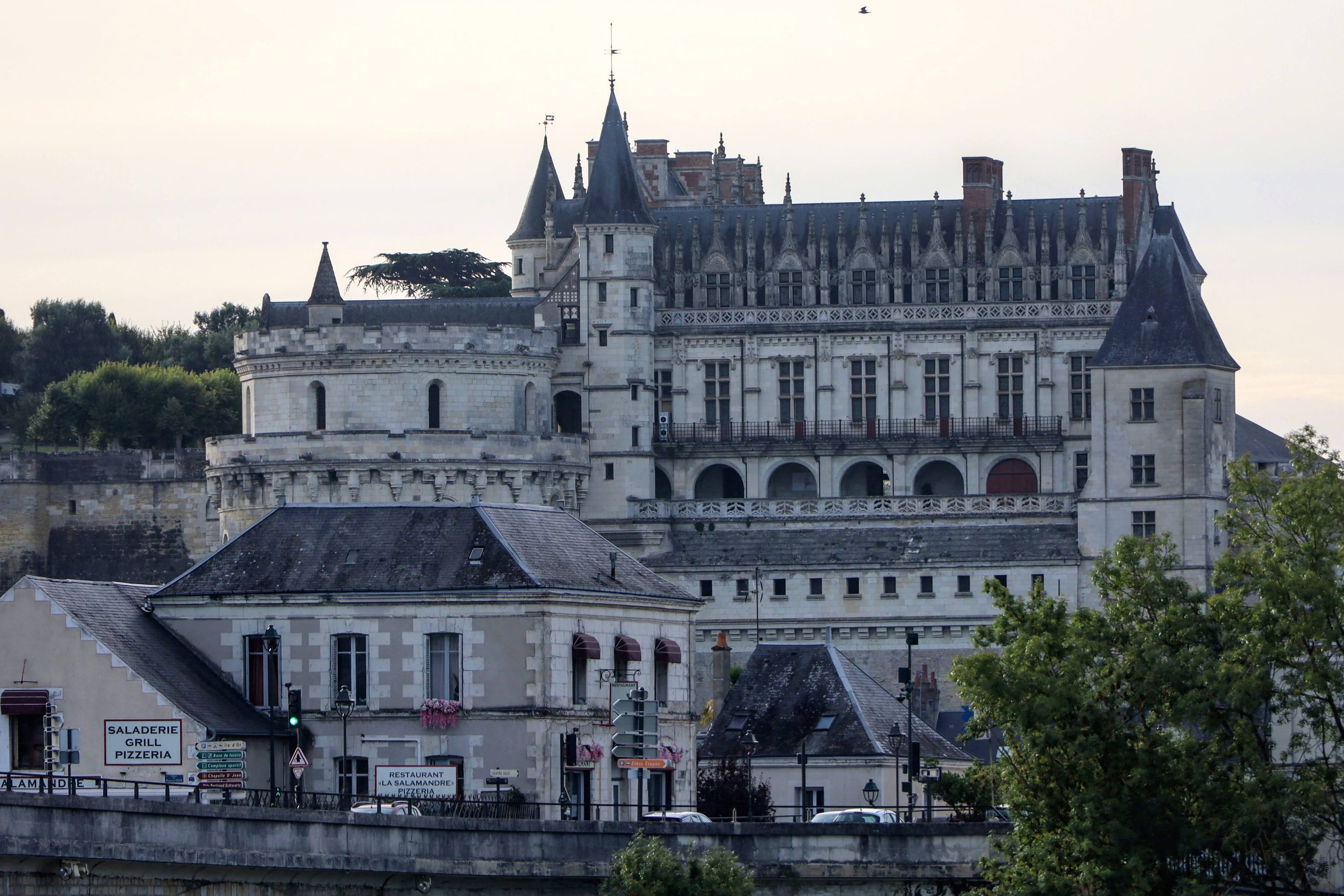
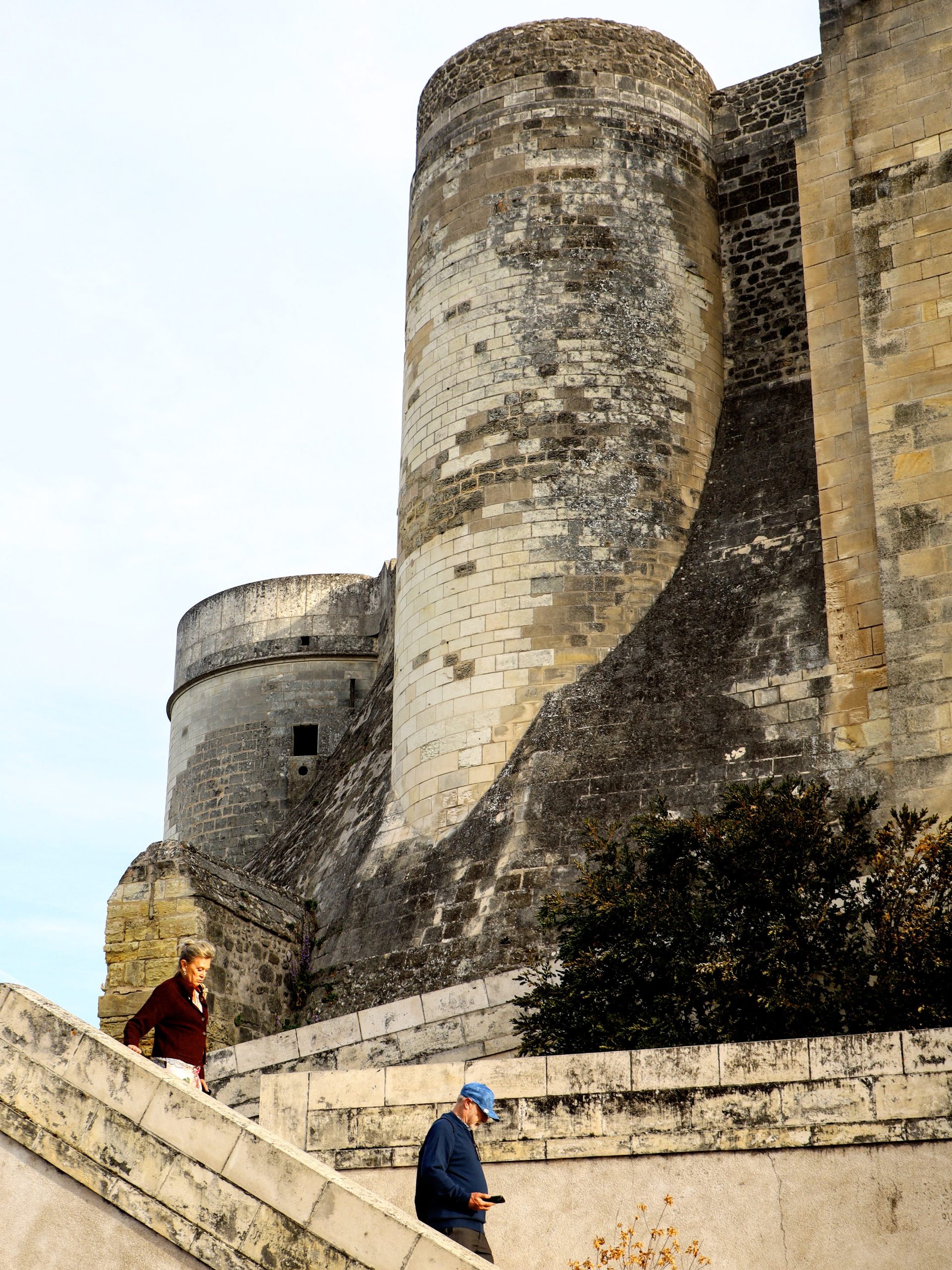
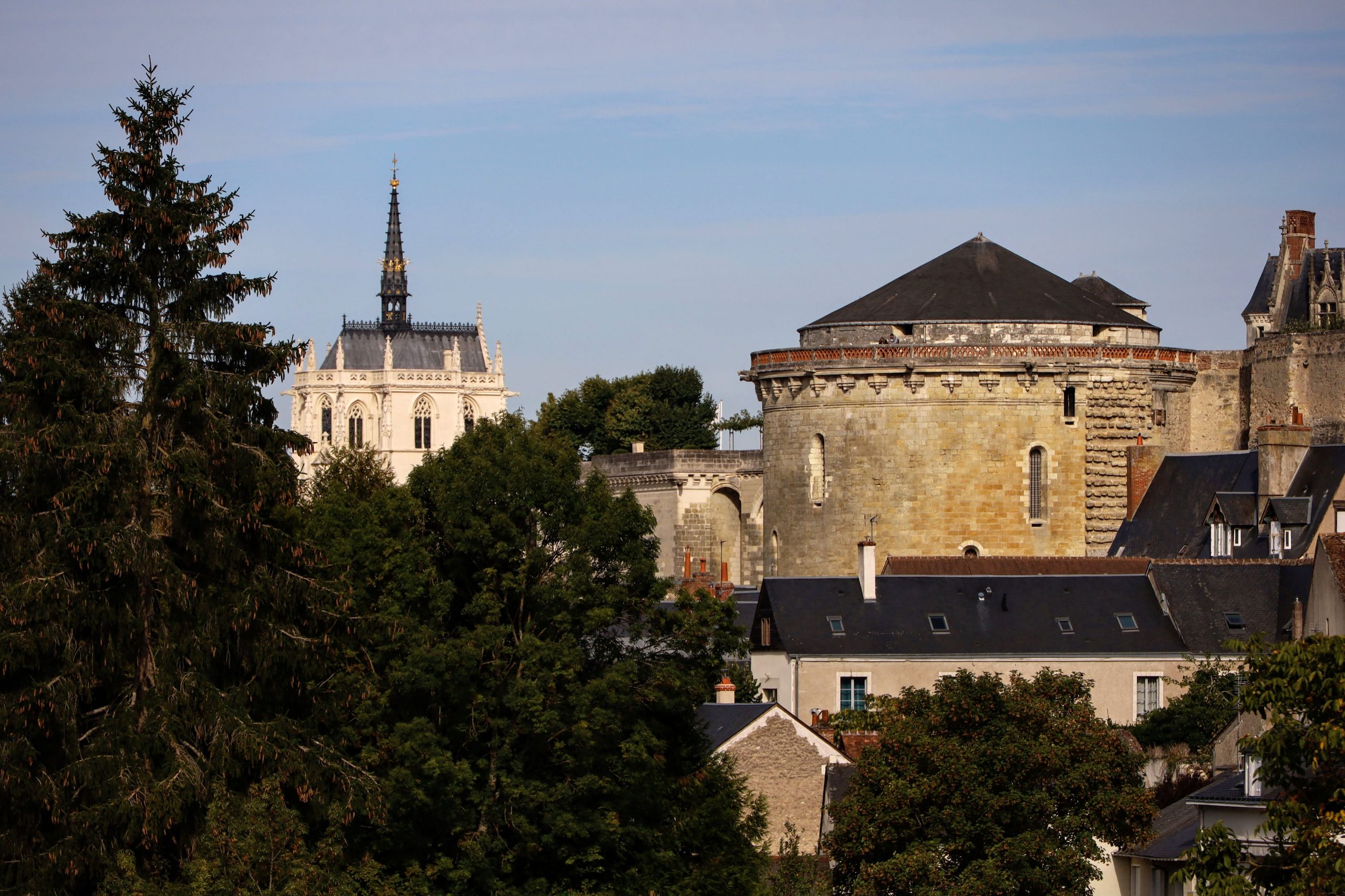
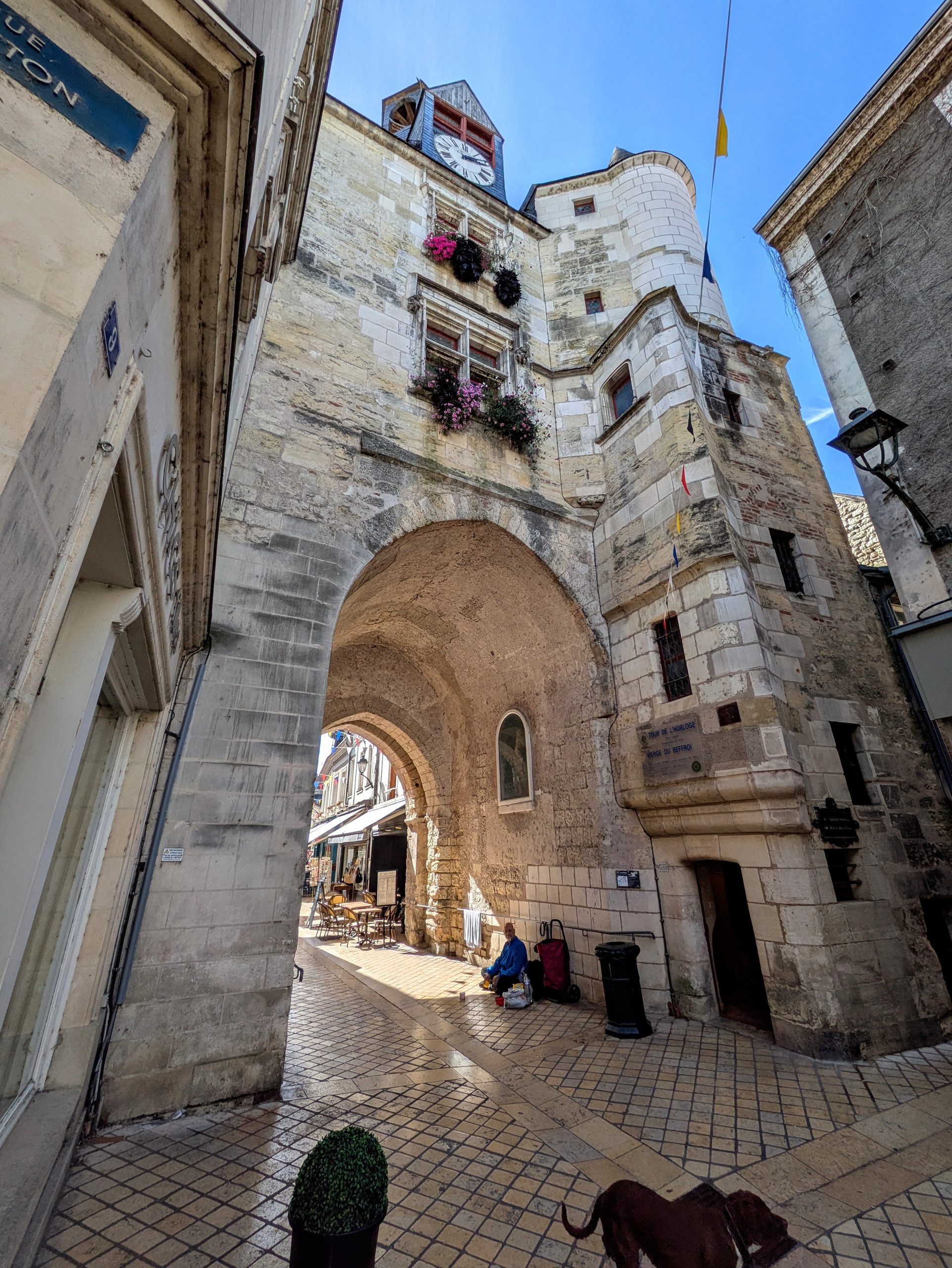
Amboise has an impressive (and particularly-beefy) castle, but Rett’s approach of giving us a cross-section of Chateaus sent us to the Leonardo Da Vinci museum instead. A lot of people don’t know (by which I mean, “me”) that Leonardo spent the last three years of his life in France, specifically Amboise. He was brought over from Italy by King Francis I, which is a good evidence of how famous Da Vinci was during his own lifetime. It’s also the explanation for a question I never thought to ask, which is why the Mona Lisa hangs in the Louvre, and not somewhere in Italy: bring famous artist to your country, have him bring his paintings, die, and then they’re yours!
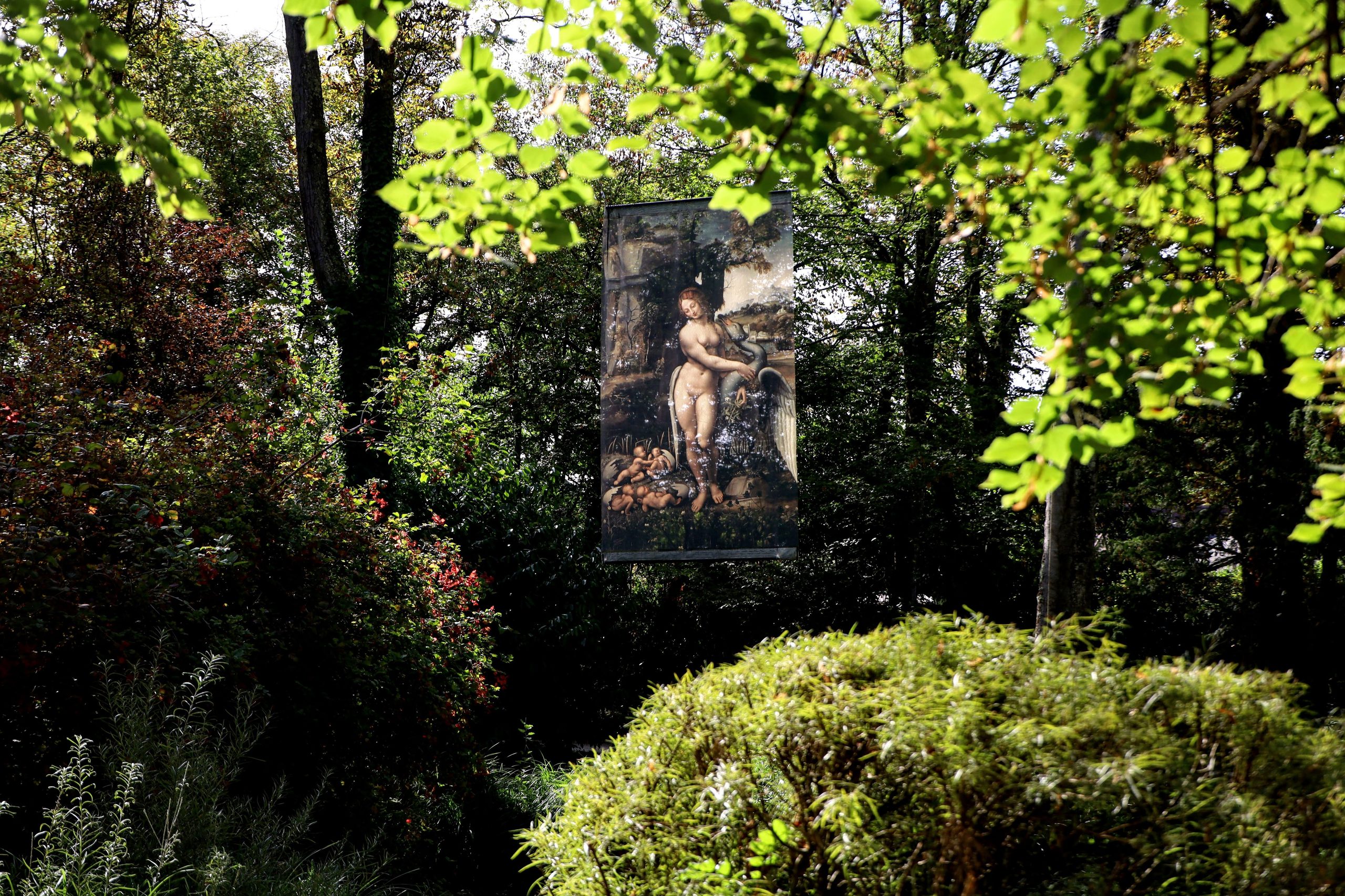
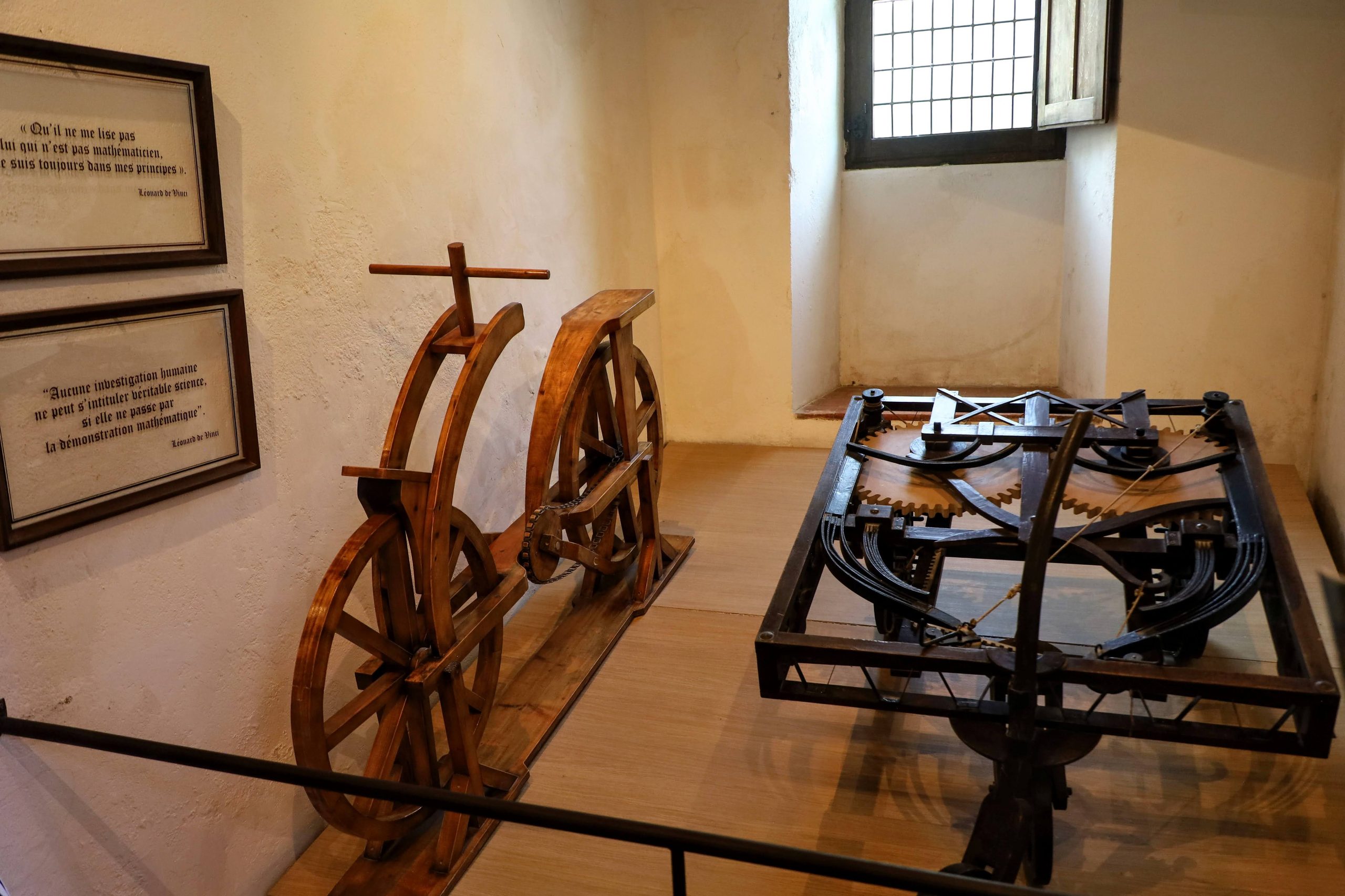
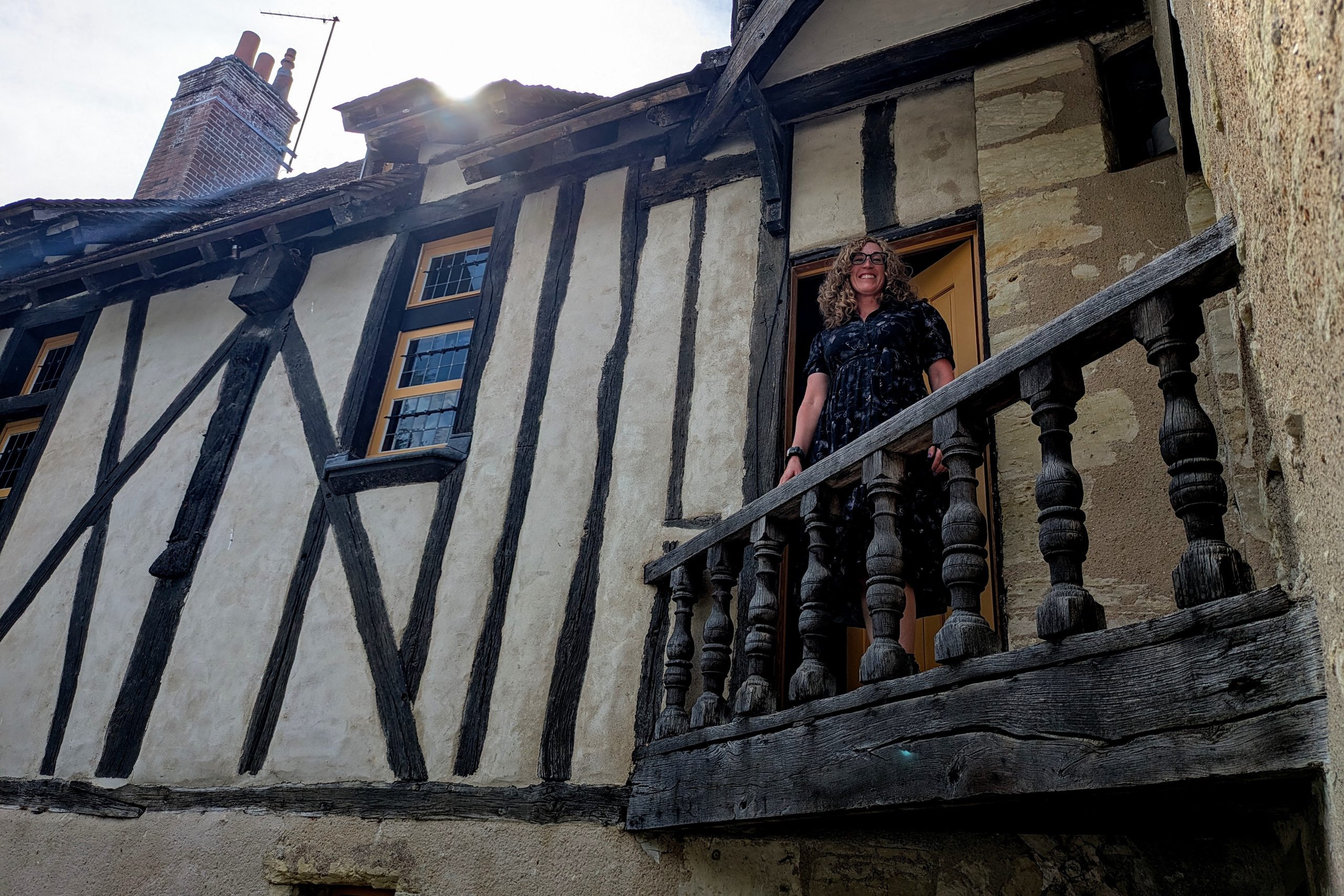
The Da Vinci museum was definitely something different: first, a very-restored tour of a high-end medieval home, then a gallery of Da Vinci’s drawings turned into modern physical models (which never really happened in his lifetime), and then a walk through the beautiful grounds, where the drawings became full-scale, sometimes-interactive exhibits. Certainly the last two phases were the most interesting to my engineer brain, but what’s really impossible for my engineer-brain to comprehend is how the same guy also made all these beautiful paintings.

Leave a Reply