
8.6 mi / 3.7 mph / 2300 ft. climbing
Home: Wild Camp in the Pines
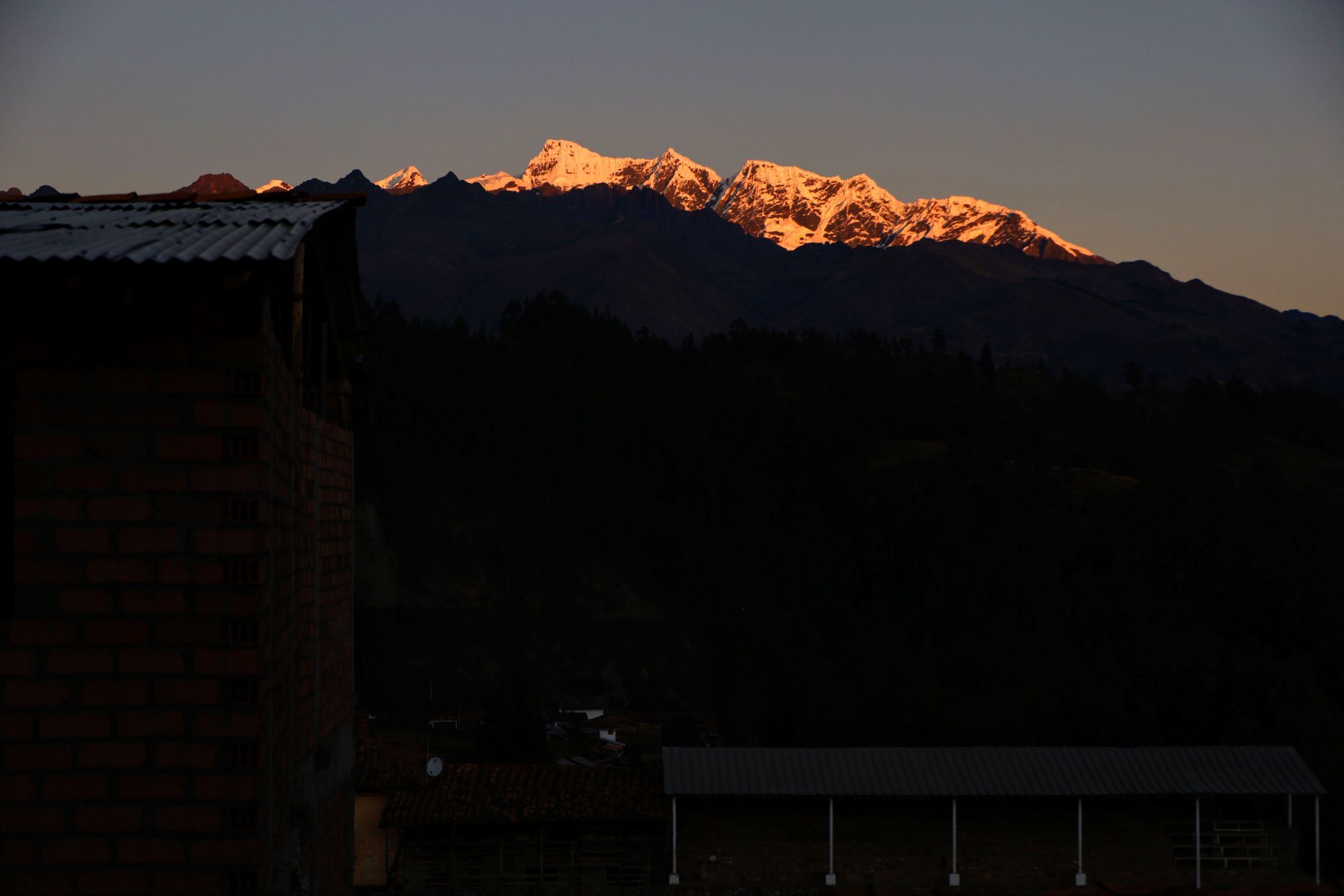
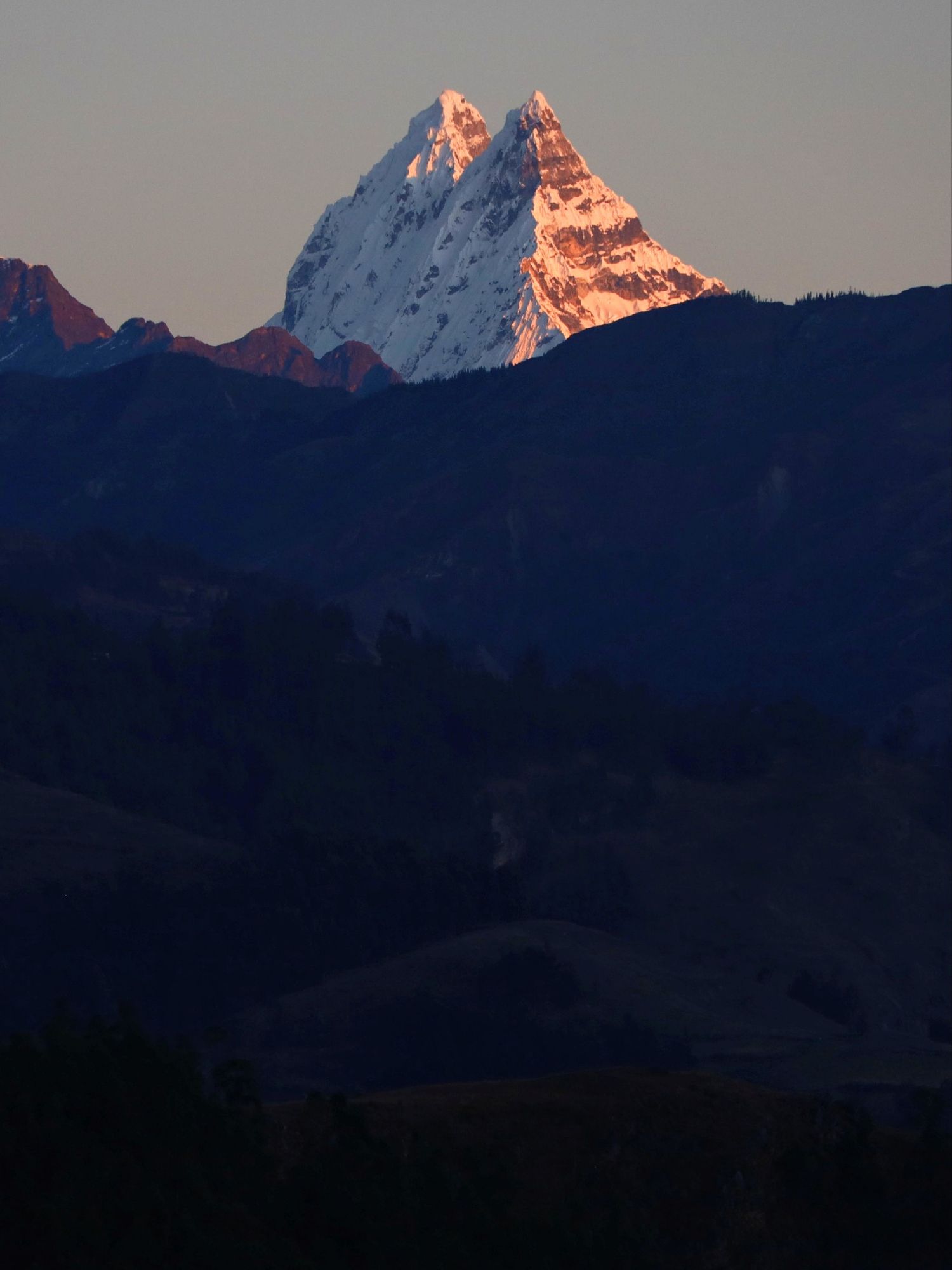
We took a wander around town looking for a place for breakfast, and settled on a option around the corner. There was one group inside (who surprisingly seemed like tourists as well), but then a lot of other people dropped in, so apparently we picked the right place. No menu, so a bit of guesswork on ordering, but we ended up with coffee, bread and eggs for S/12 (US$3.40) for the two of us.
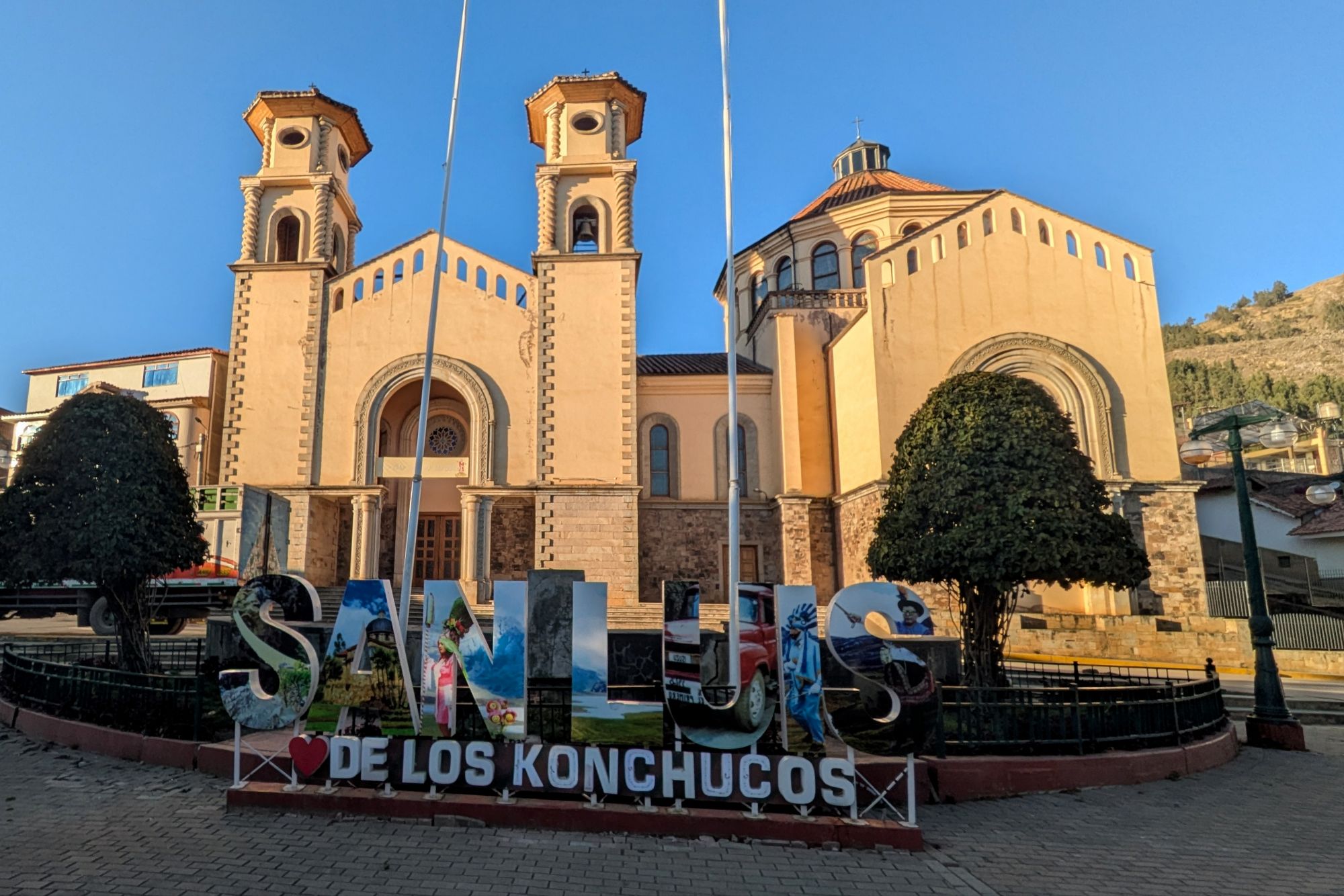
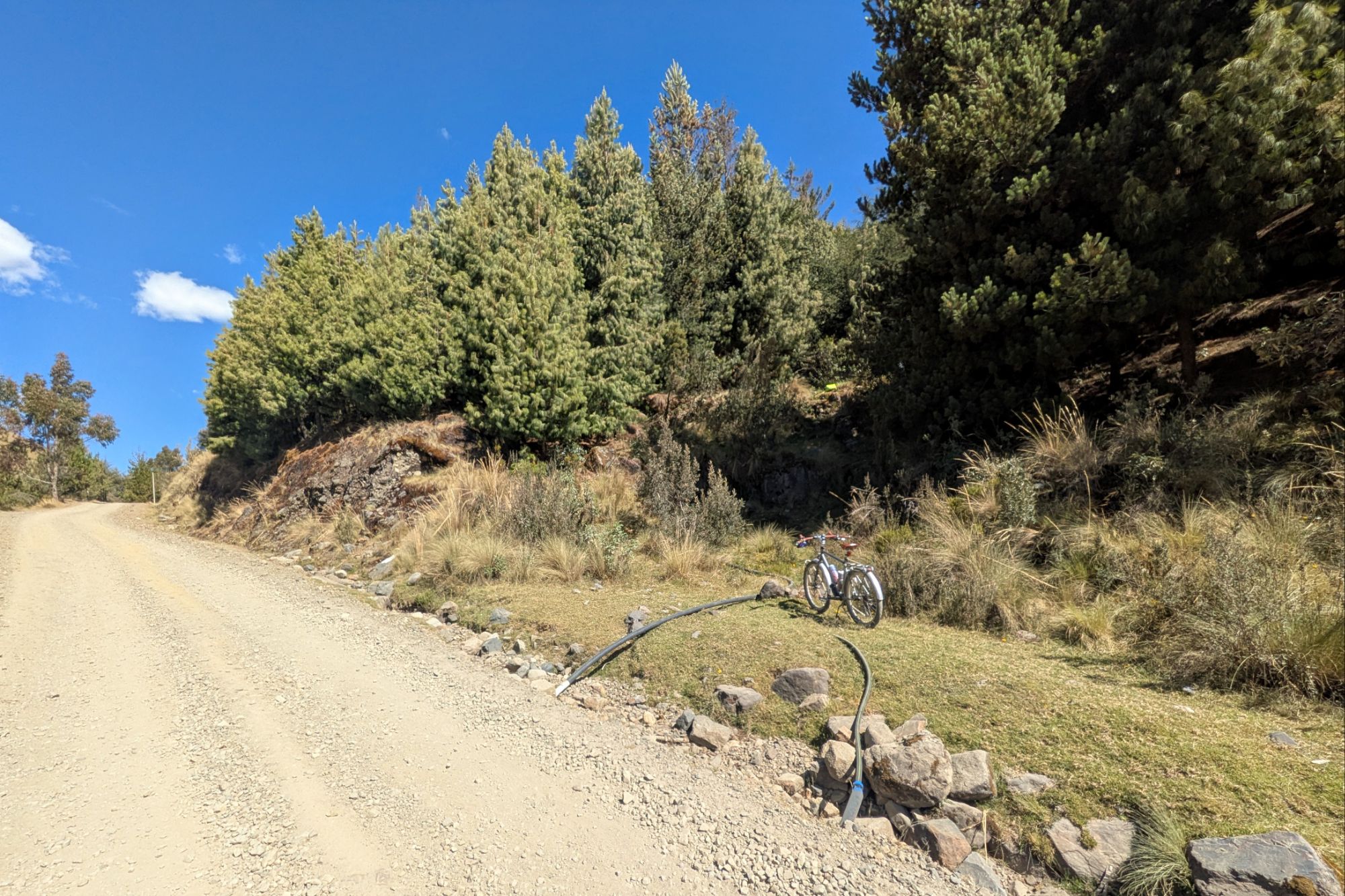
San Luis has some extremely hilly streets, but we managed to take a route out of town that kept us on a steady upslope. The gravel returned just a couple blocks out of town, and would be our opponent for the next 3 or 4 days. It’s 38 miles from San Luis to Huari, which both sit at 10,200 ft., but Huachucocha Pass, at 14,242 ft., lies between them. The people we’ve been following have taken two days to cover the distance, but they had better skills on rough gravel than Rett does at the moment, and even with those skills they were still cursing the road and questioning their lives. So Rett came up with the idea of taking four days; even if we needed to walk most of the gravel, we would still be able to do it. It is a bit similar to the rocket problem though: the more days you need, the more food you need to carry, which makes you slower, which makes you take more days, which makes you need more food…
Immediately the poor-quality road lived up to its reputation, but with our aired-down tires and Rett’s commitment to the task at hand, she was actually riding a surprising amount of the distance.
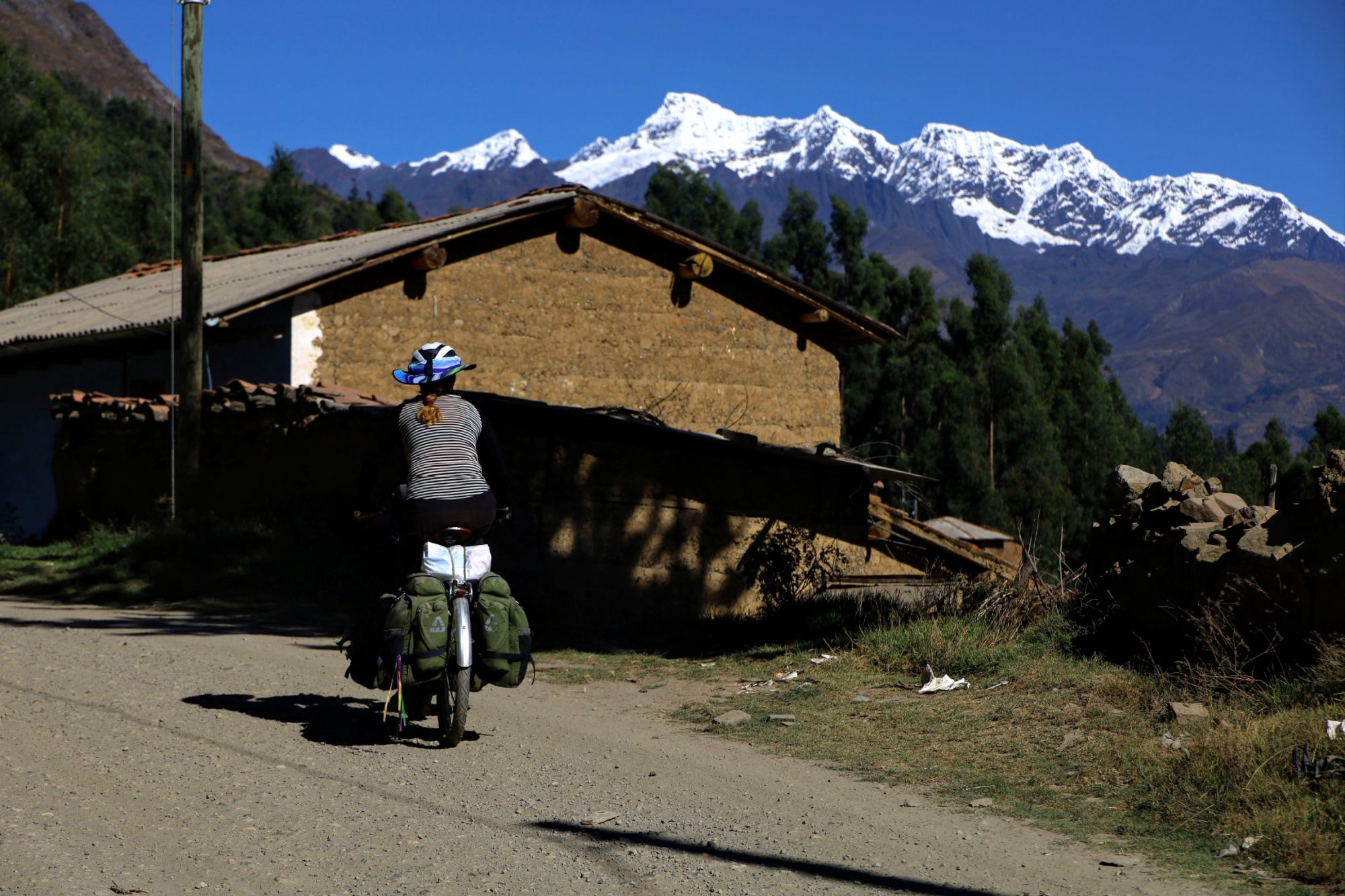
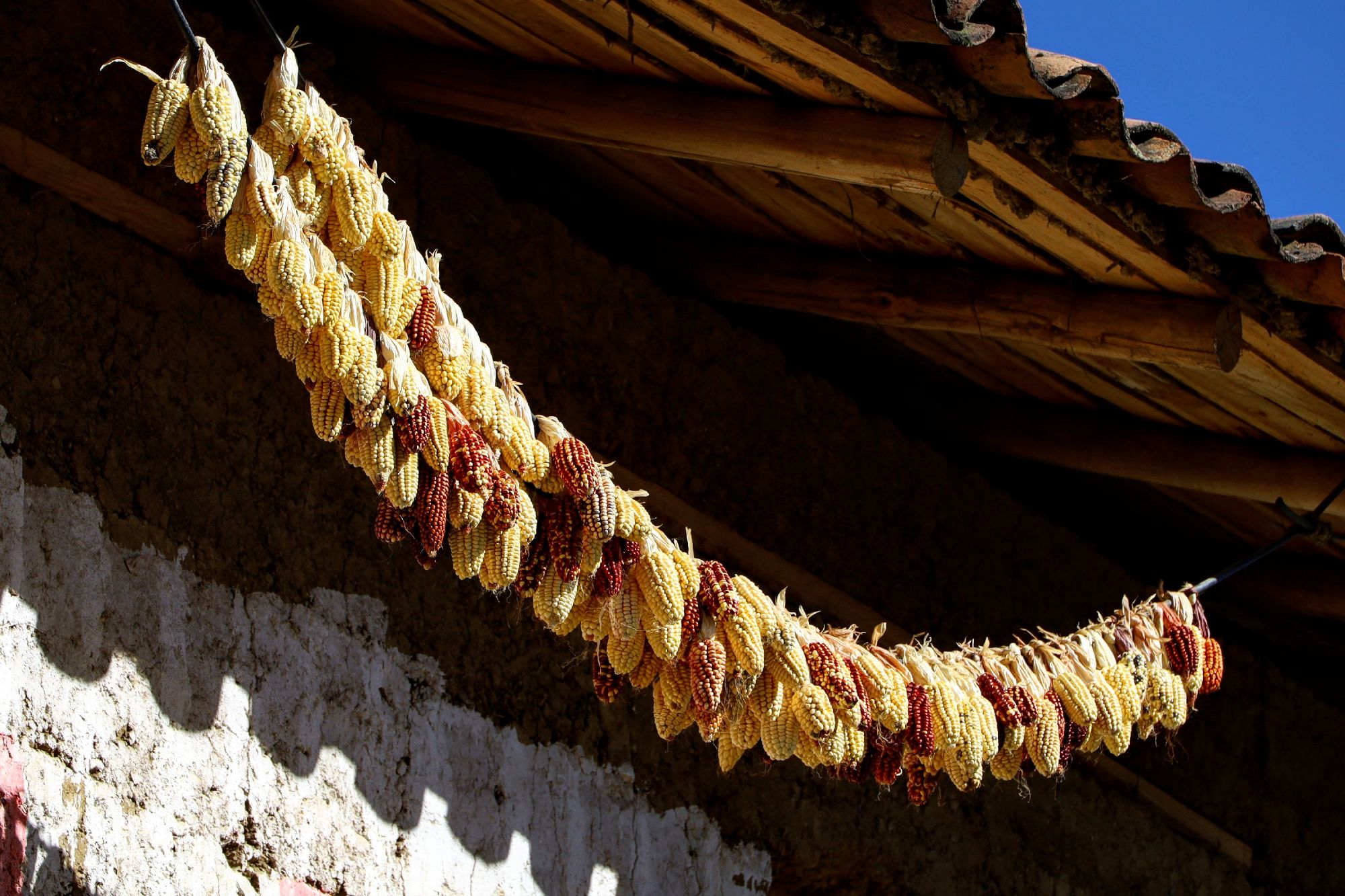
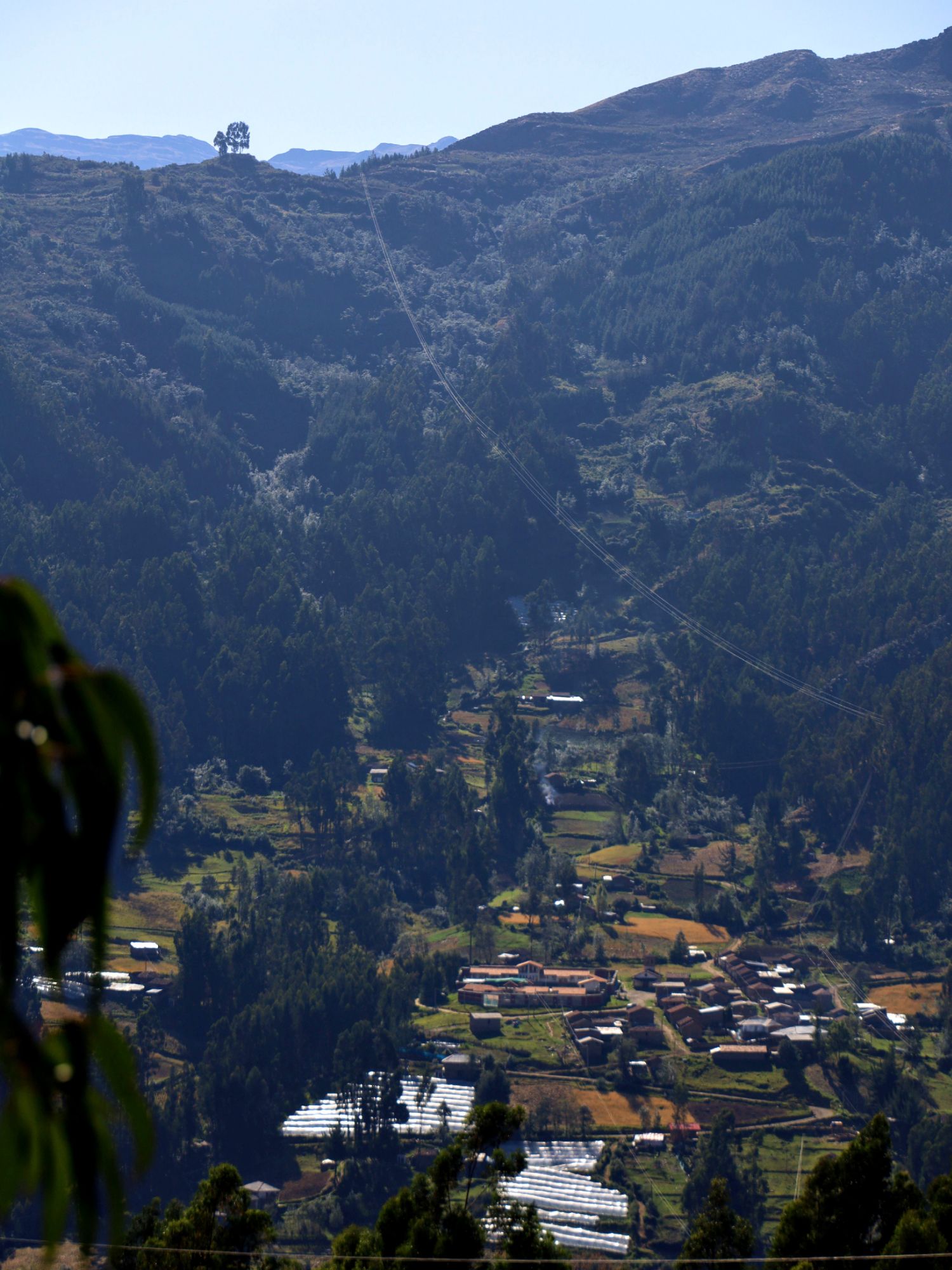
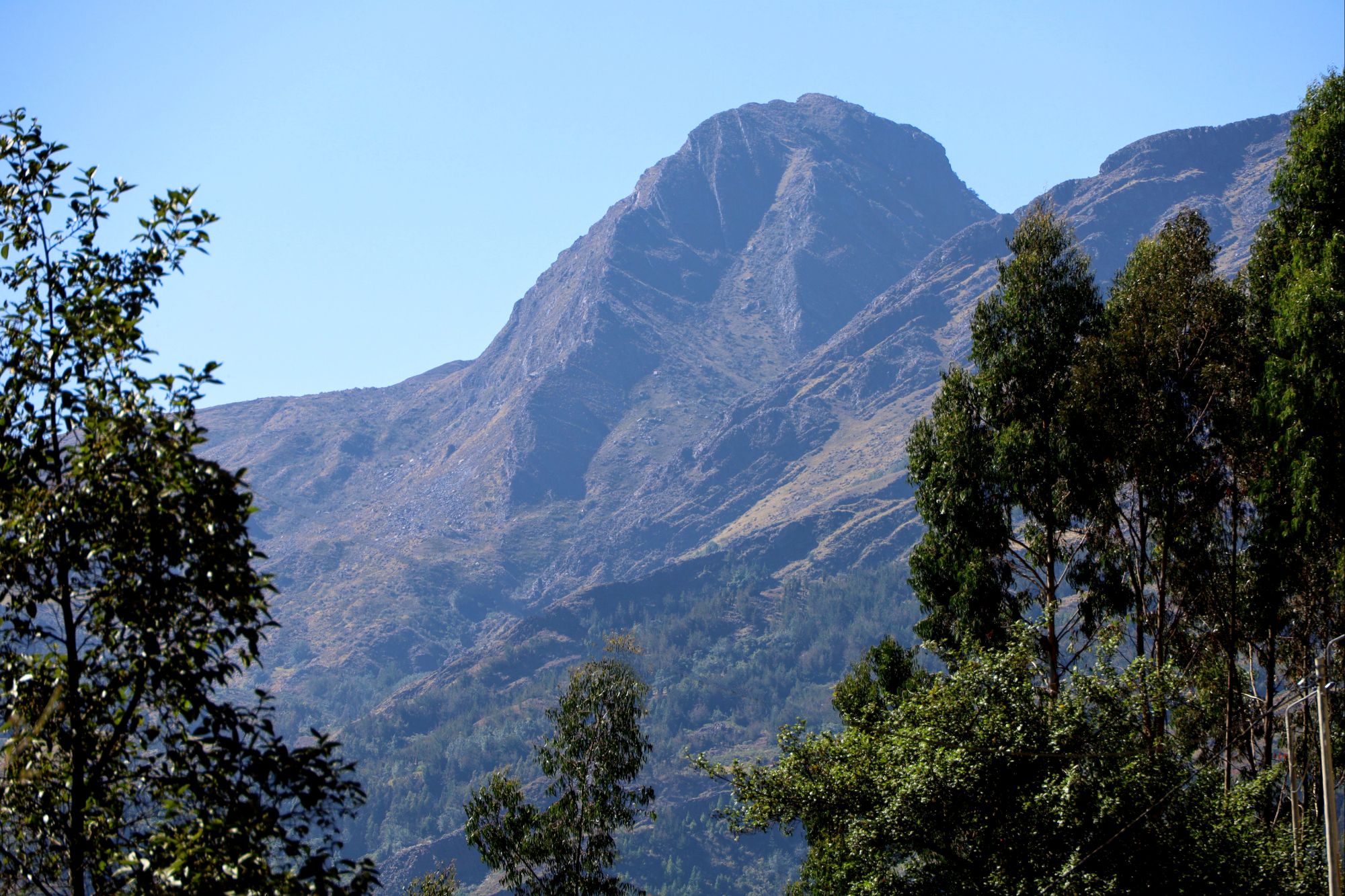
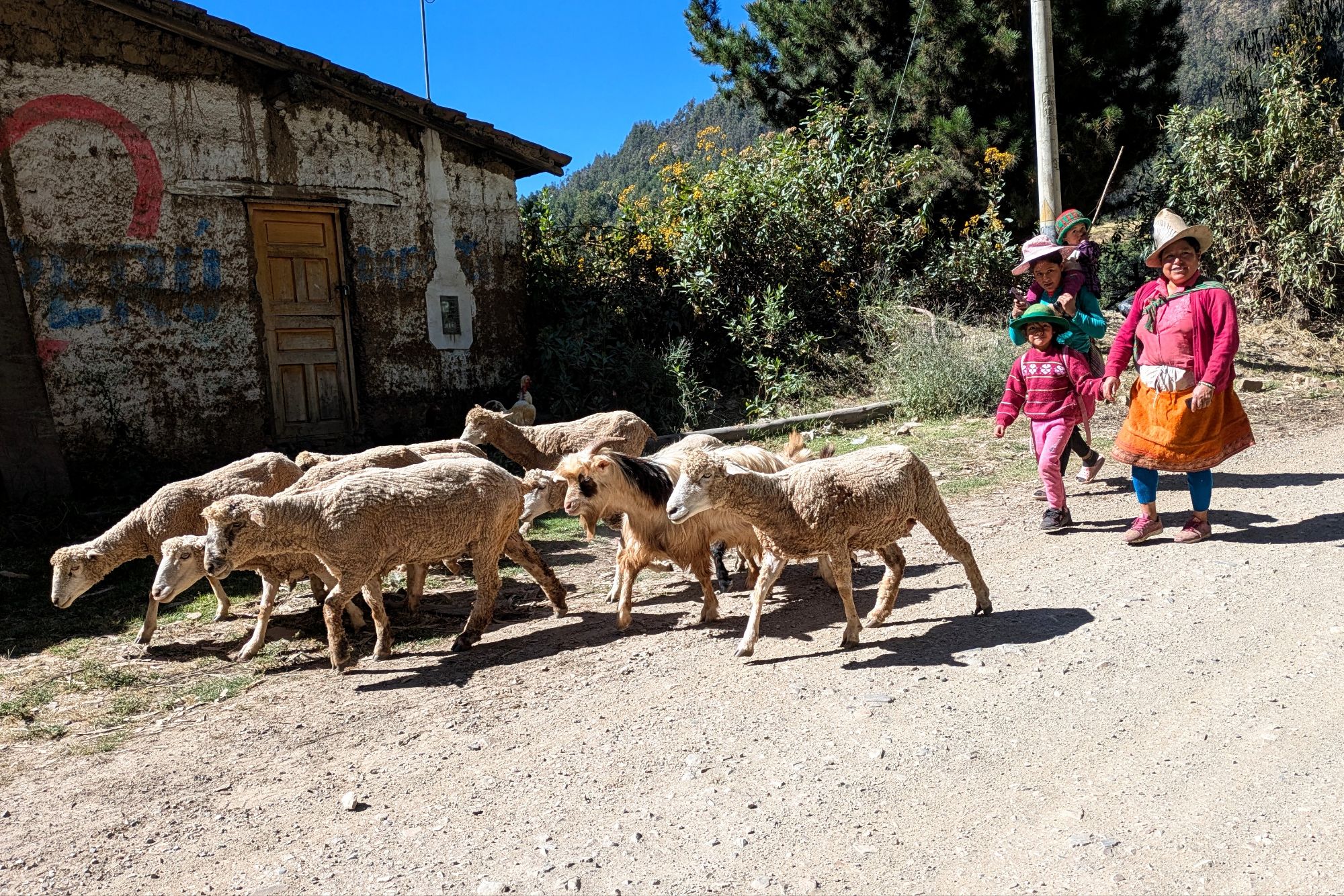
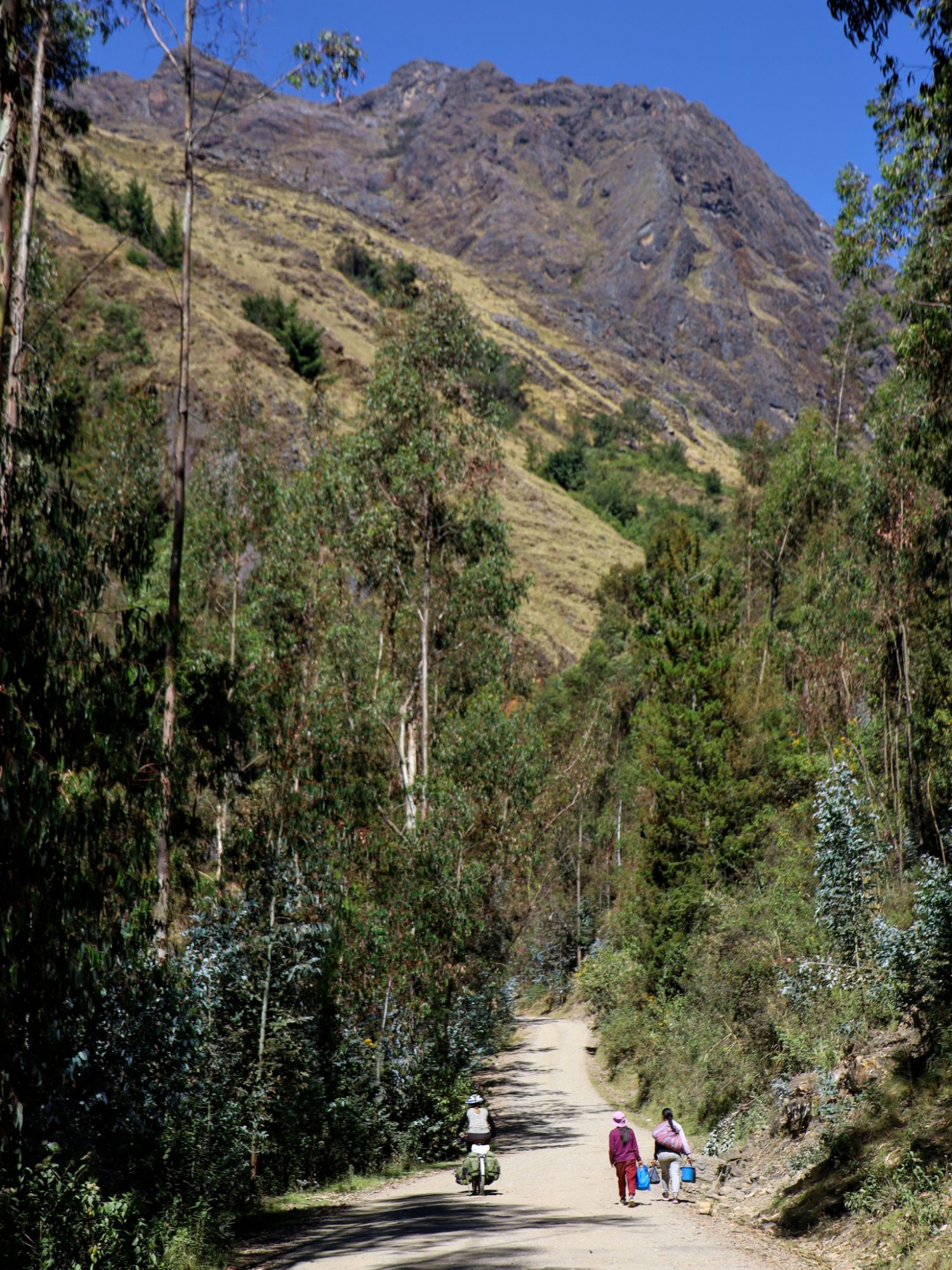
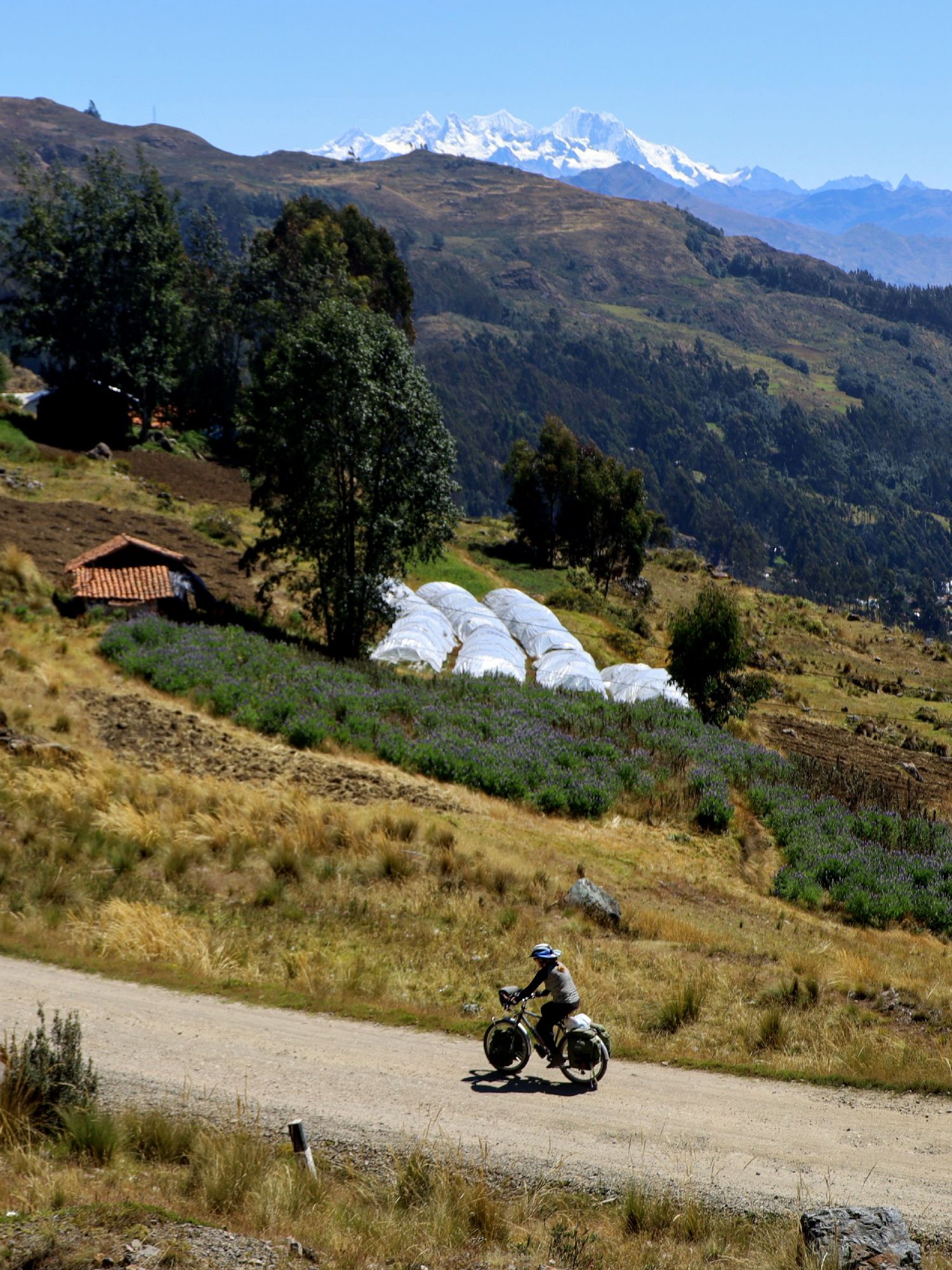
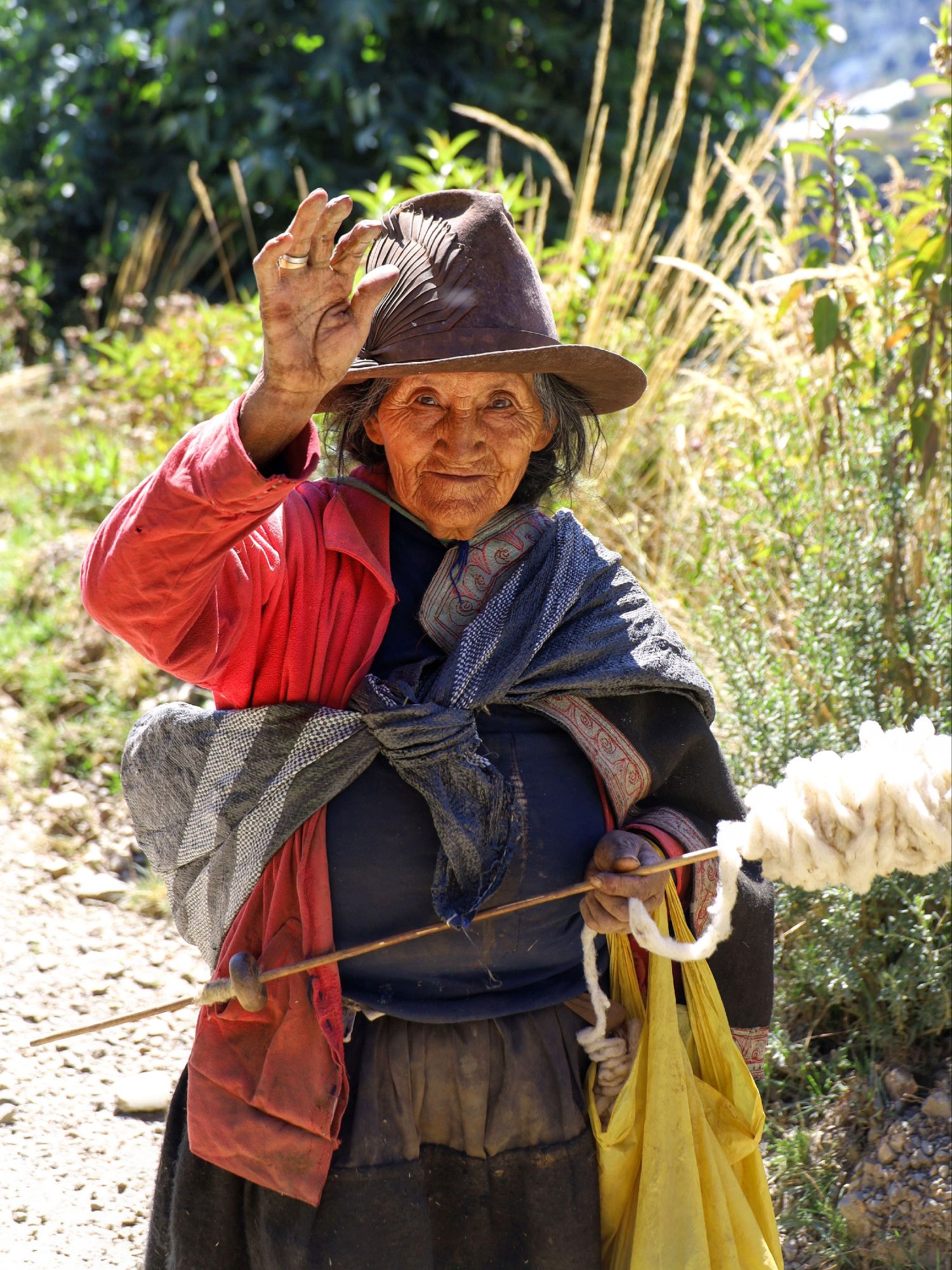
When we stopped for lunch, Rett slipped down on the loose gravel when stepping from one side of the road to the other; such were the angles (lengthwise, back down the hill, and crosswise, descending from the piled-up gravel to the lower tire-tracks from which it had been displaced), that we both needed to be very careful simply walking on this road; that highlighted how good of a job Rett was doing at biking it.
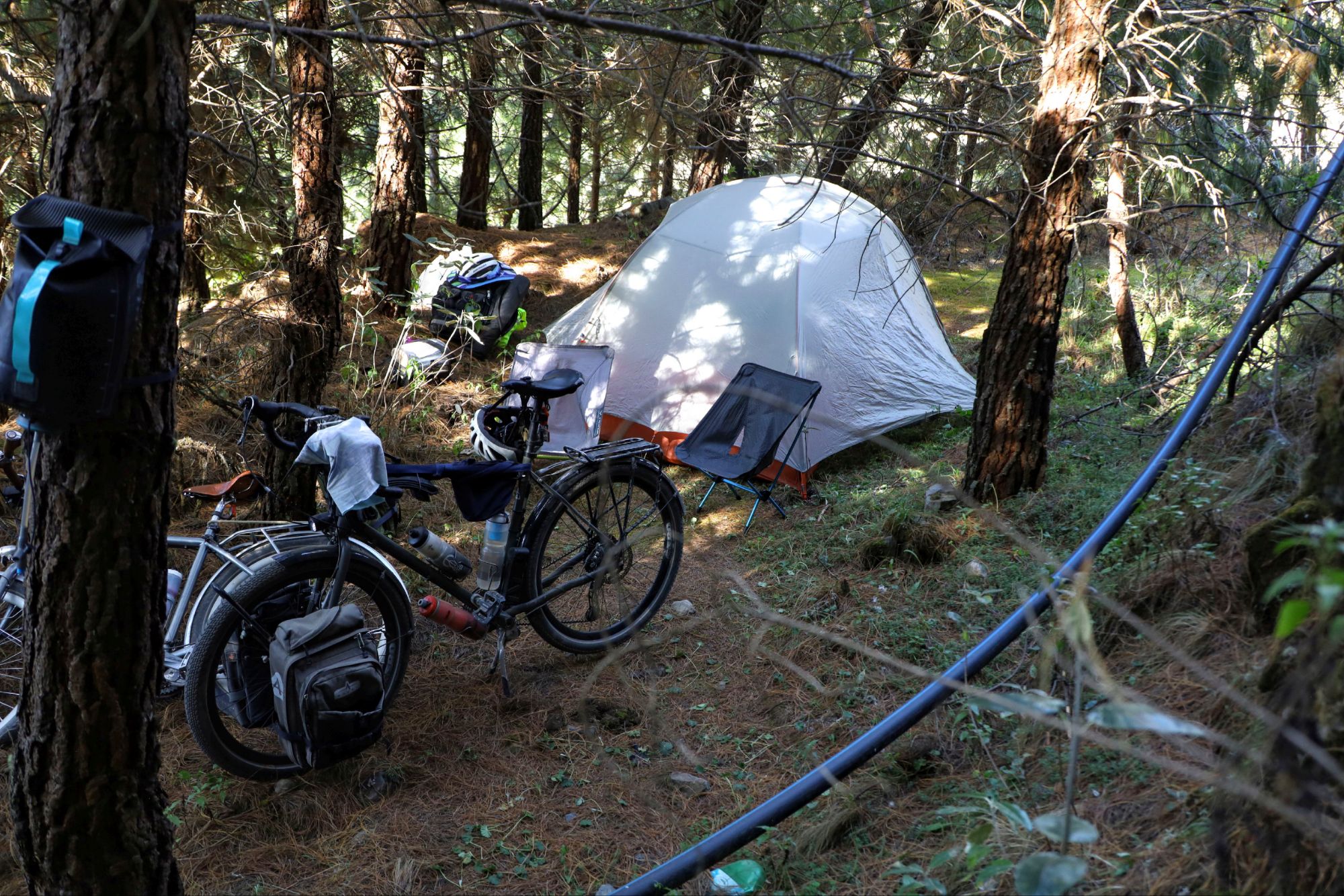
There were a couple of potential campsites marked on iOverlander about 7.5 miles into our ride, but significant earthworks had occurred in the area since they had been marked (I think for running long-distance electrical lines), so we decided to continue on a bit with the hope of finding something better. Plus it wasn’t even 1pm. About a mile later I spied a cutout in the cliff-face on the right side of the road, and saw that it rose in relatively-flat tiers away from the roadway (like New Zealand, almost nothing in Peru is flat, making it challenging to find a place to fit a tent). I climbed up to explore, and found a bit of a trail paralleling the road 30 feet higher, and a widening in the pine trees looked like it could fit our tent.
It was a lot of work hauling our bikes and all of our bags up there (as acclimated as we are after 40 days at 10,000 ft. or more, just walking up stairs at this elevation leaves us winded), but it wasn’t too treacherous. Our tent was totally out-of-view from the road, and it seems like forest camping (the best kind of camping!) is extremely rare in Peru, so it felt like a pretty sweet place for us to spend the night at 12,500 feet.
So yeah, we called it a day after just 8.6 miles. But that was the plan, and so far it seems like a good one, since it took us nearly 5 hours to cover that distance (2h20m moving time, for a new record low average speed of just 3.7mph). The important thing is that we aren’t cursing the road, Peru, or our lives!
Leave a Reply