

Home: Silvina’s AirBNB
Month 2
The last time we had lived in a place for more than a month was early 2023 in Seattle. So going into a secondary stationary month in Buenos Aires was definitely giving the feeling of relaxation and restoration that I had hoped for.
We continued our rhythm of going out to explore a new place once a week or so. Obviously we could have seen much more of the vast and vibrant city if we had spent our two months in full tourist-mode, but given our homebody style, it actually felt like we were seeing an unusual amount of this city that was our temporary home.
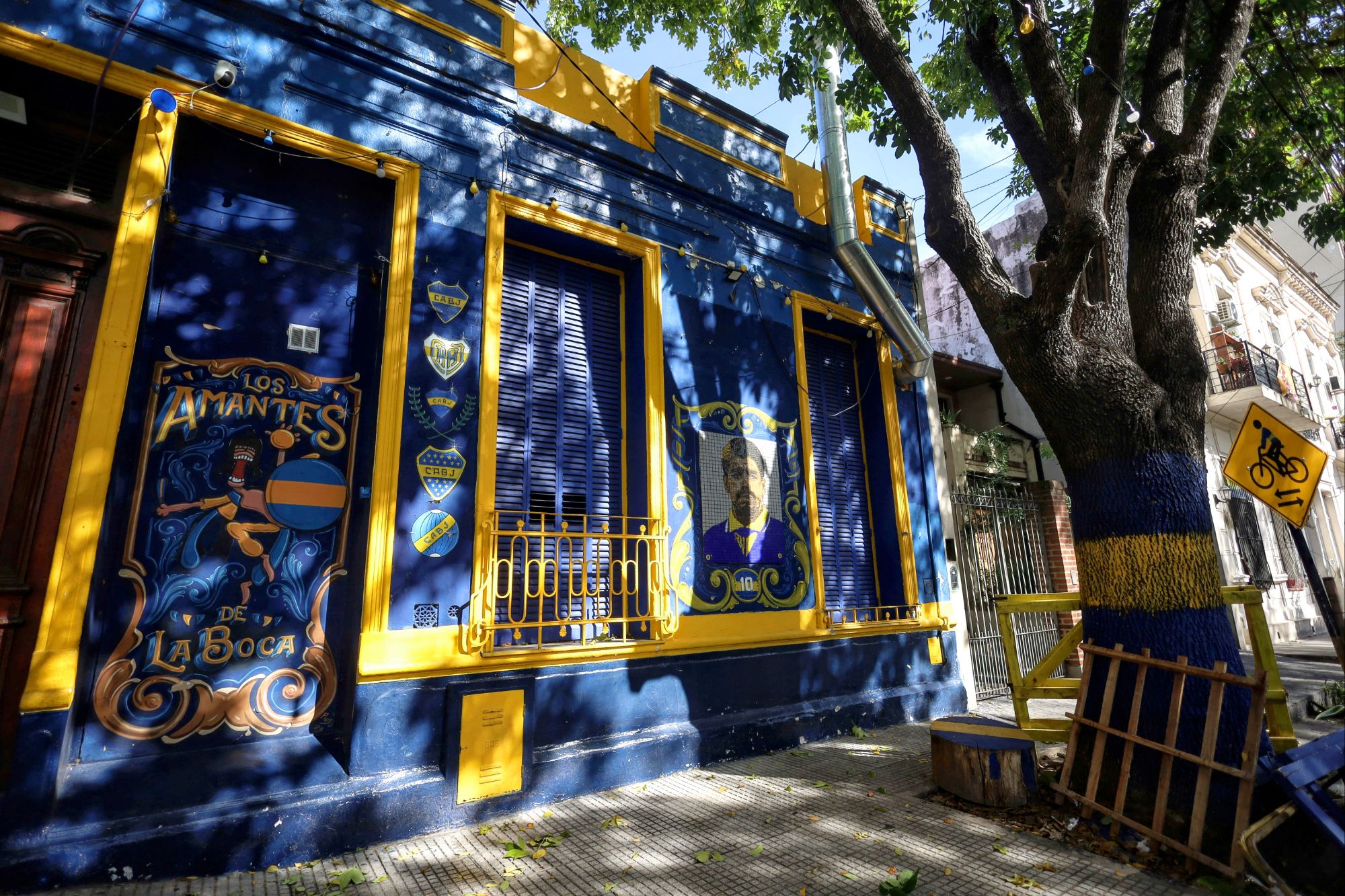
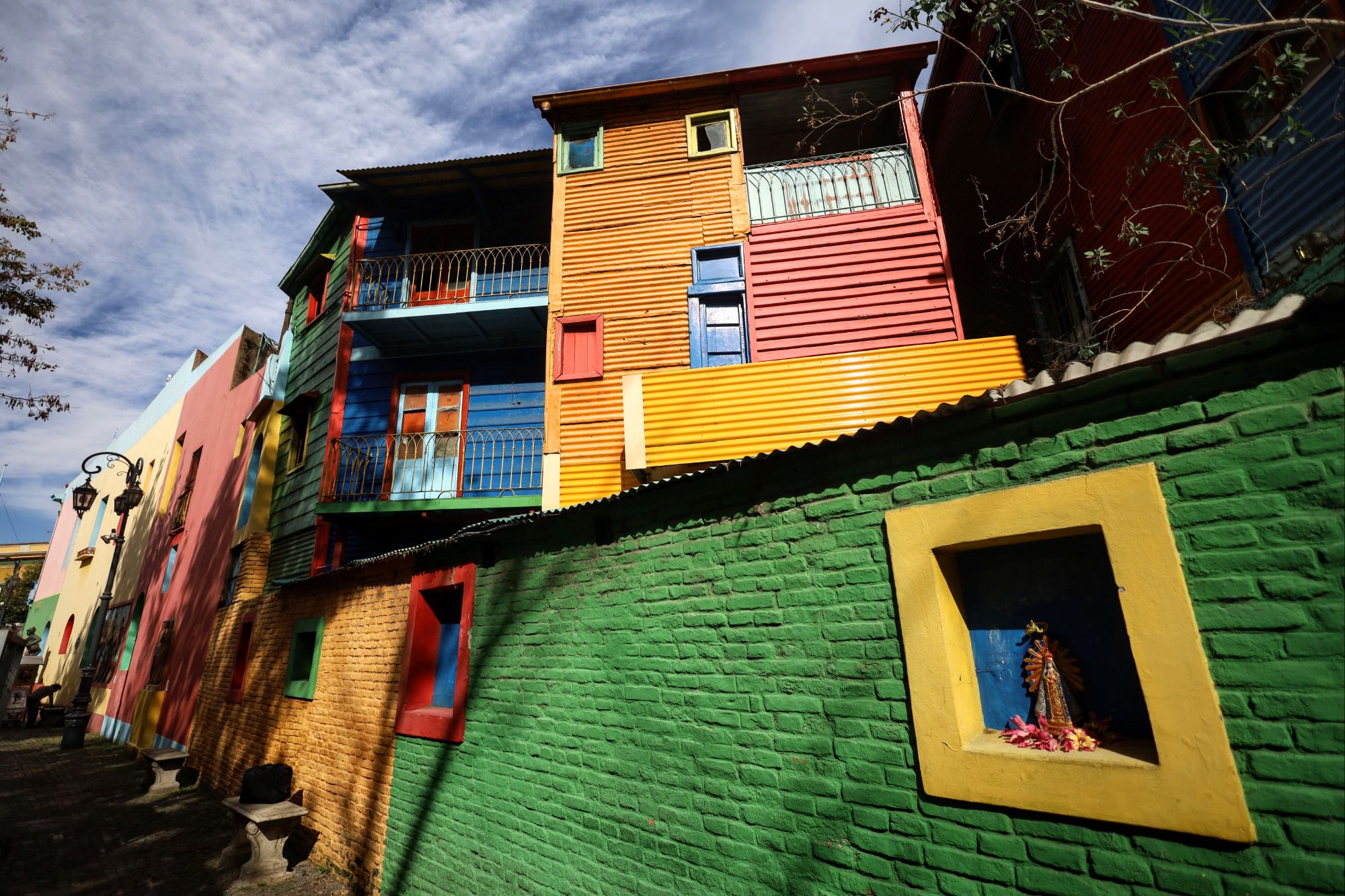
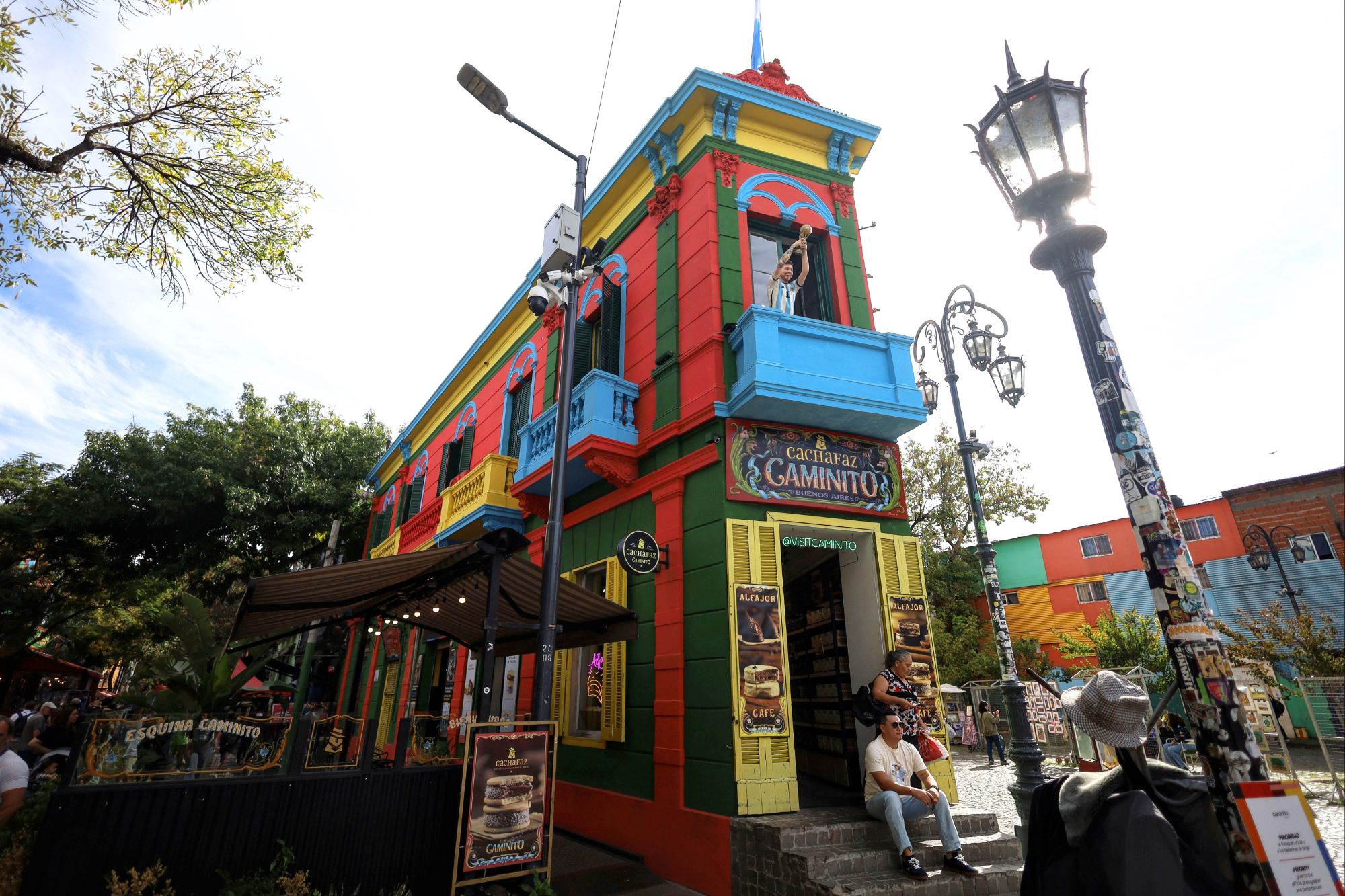
The next neighborhood on our list was La Boca, just to the south of our San Telmo home. I don’t know how unnecessarily paranoid the “don’t visit after dark” warnings in the guidebooks are, but it did definitely feel more like a neighborhood “owned” by longtime residents (perhaps for generations). Some of that might have been the centrality given to their local soccer team.
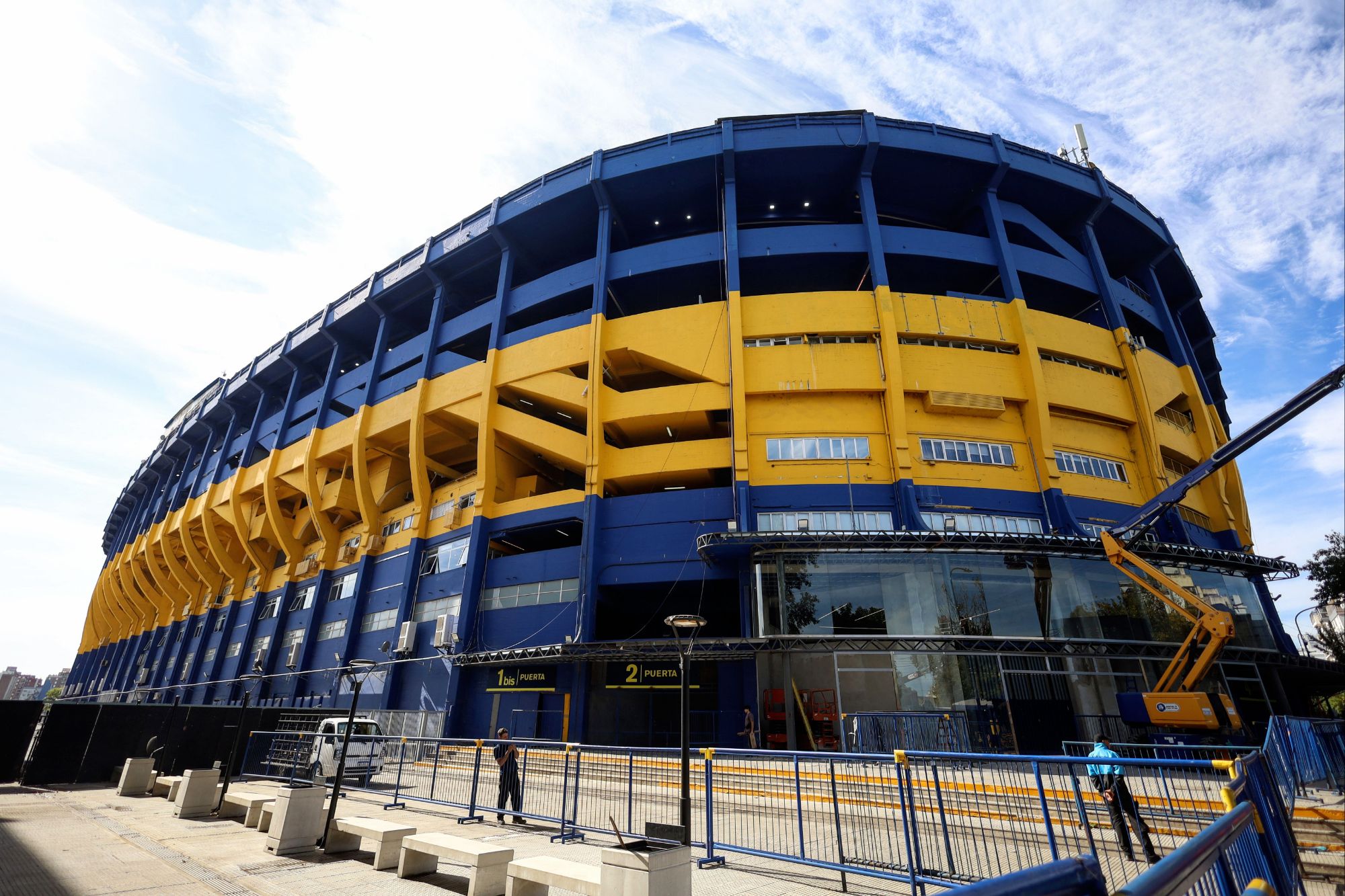
With a victory and a runner-up in the last two World Cups, soccer is obviously very important to Argentina, and Buenos Aires gave us good proof of that. Our AirBNB was on a narrow street, but 40 feet away was a big elevated highway. Squeezed between us and the highway were two mini soccer fields, but hardly “fields”, more like the fenced-in urban basketball courts of New York City. And despite their undesirable size and location, they were in-use nearly every day, all day. And not just by kids; teams of adults would have serious-looking matches in the tennis-court-sized spaces.
So that helps explain how Buenos Aires can support something like 11 national top-level soccer teams, each with their own stadiums. In the US, cities that host two major league baseball teams are relatively rare, and this would be like having the Cubs, the White Sox, and nine other teams in one city! One of the most-popular teams is Boca Juniors; a match they play with cross-town rivals River Plate has its own extensive (English!) Wikipedia page for the “Superclásico“. Given the density and transportation systems of the city, I assume that all of the stadiums are like “La Bombonera”, surrounded immediately by the neighborhood, like Wrigley Field or Fenway Park, rather than the more-common acres of parking lots that isolate stadiums in the US. So it likely would have been pretty amazing to be in the neighborhood during the Superclasico (which happened during our stay), but perhaps too intense for us!
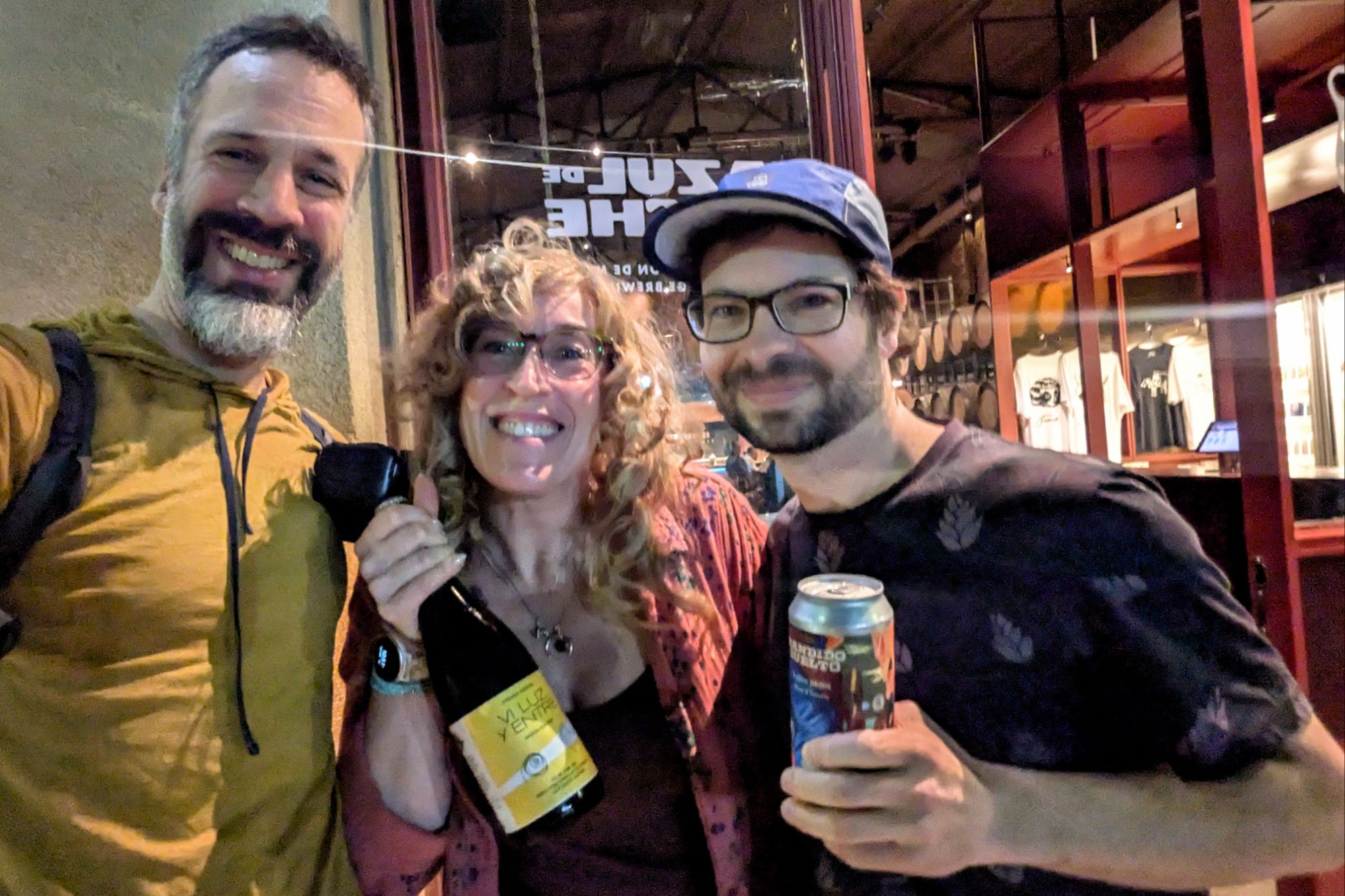
The next week we went in the opposite direction, both geographically and economically, to the upscale Palermo neighborhood. Our excuse was to see Shane, a guy whose cycling journal I had been following on crazyguyonabike.com. He had unknowingly “completed” our ride, flying in to El Calafate, and going south to Ushuaia. This struck me as odd, because he was flying all the way from Canada to specifically ride the section that we skipped because we thought it would be too boring and/or difficult. But on top of that, this was his first ever bike tour, and he would now be doing at as winter was beginning to lick at the Patagonian cone, when even the hardiest of cross-continent cyclists have abandoned the route. So I actually had written him a message as a sanity check when I’d read his plan. Luckily he took my concern in the good faith I intended, and even better, he had a successful (and largely enjoyable) ride. He was spending a few more days in Buenos Aires (staying in Palermo) before continuing his flights back north, and that gave us an excuse to visit Strange Brewing, one of the more interesting breweries in BA. I was pleasantly surprised to learn that their sour/wild beers were right up Shane’s alley as well, rather than just a convenient meeting place. We had great conversations, with both sides realizing how much we’ve missed a chance to talk with like-minded citizens on the opposite side of a border that is becoming increasingly visible between our two nations.
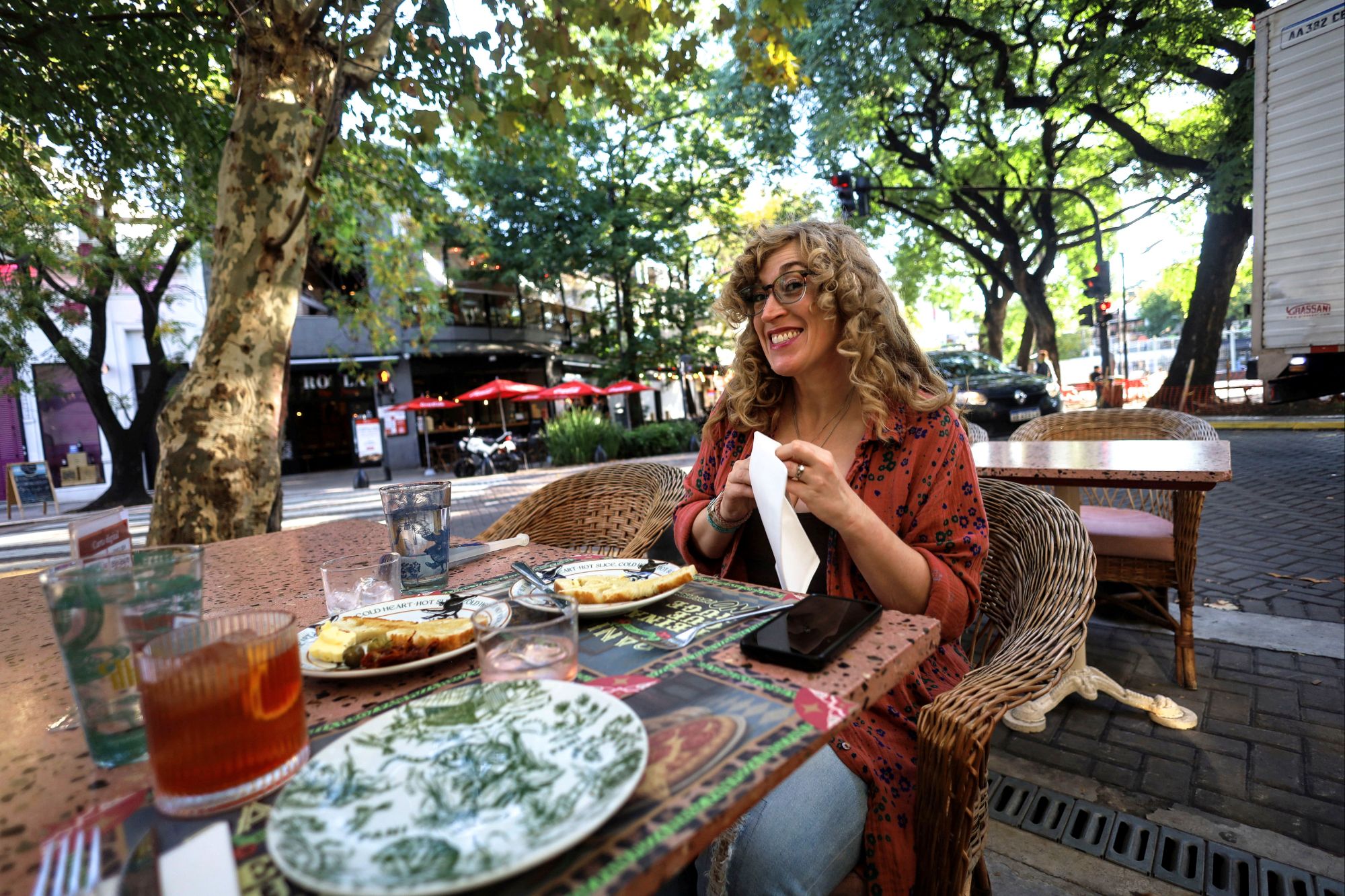
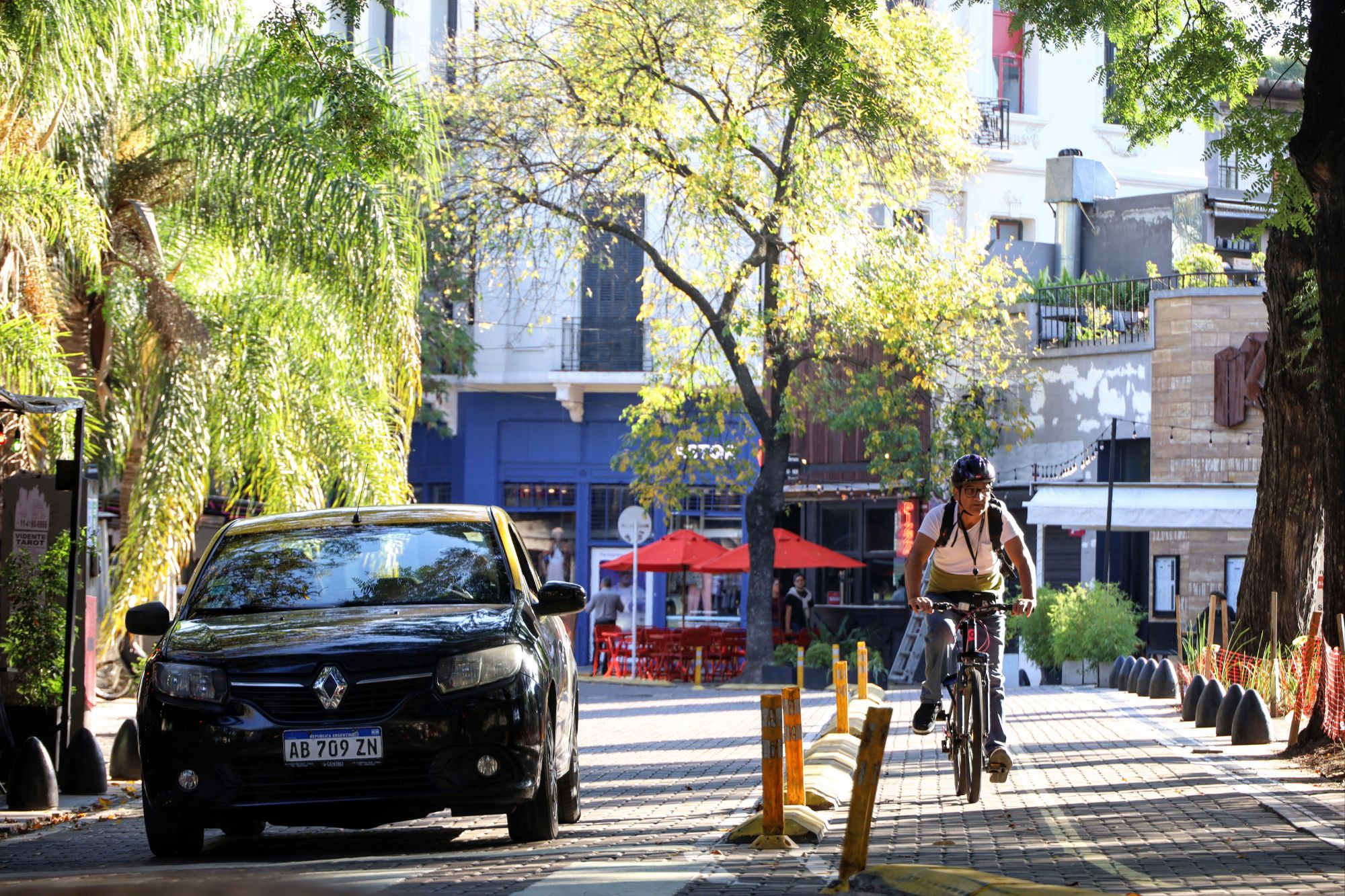
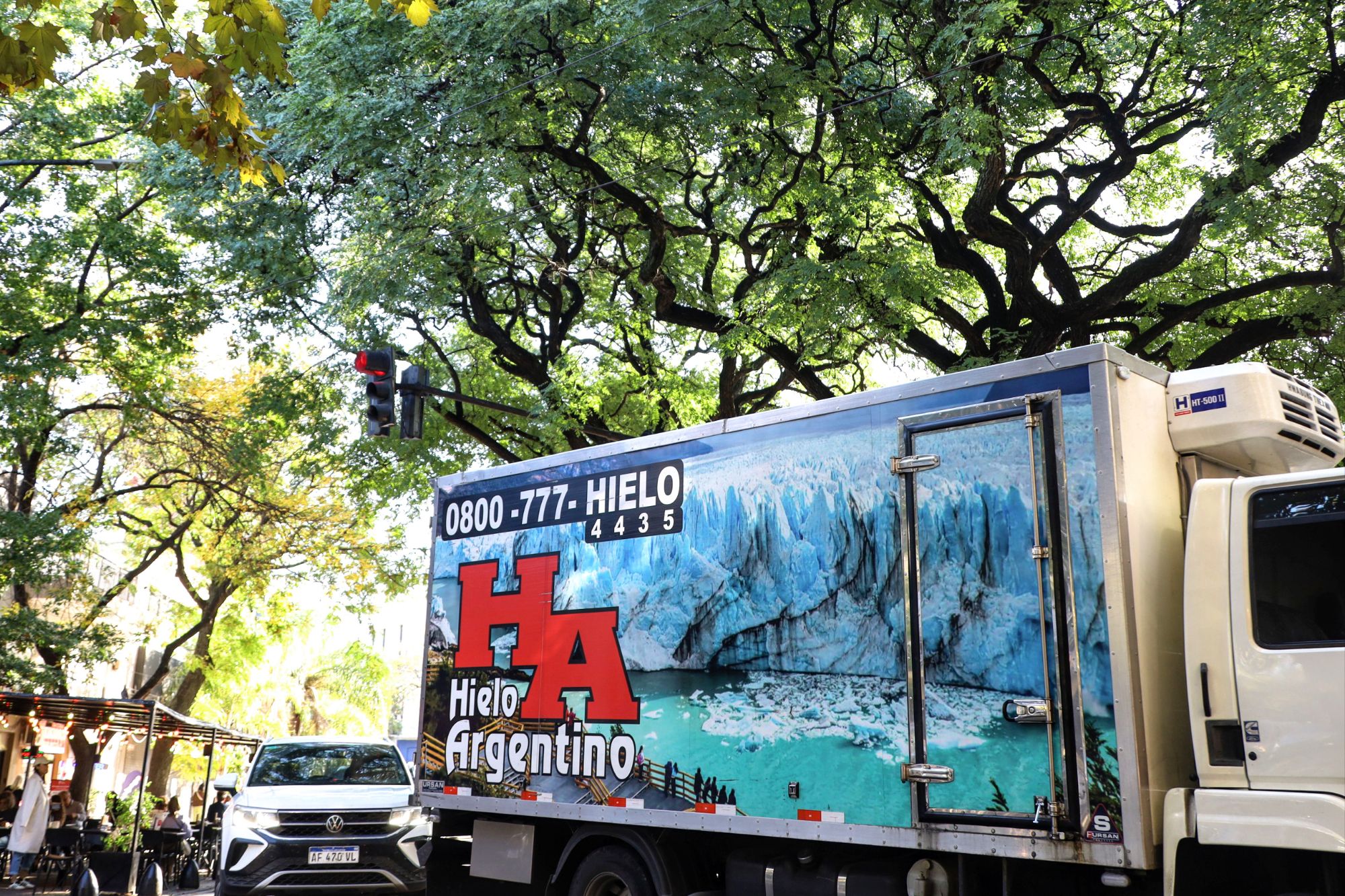
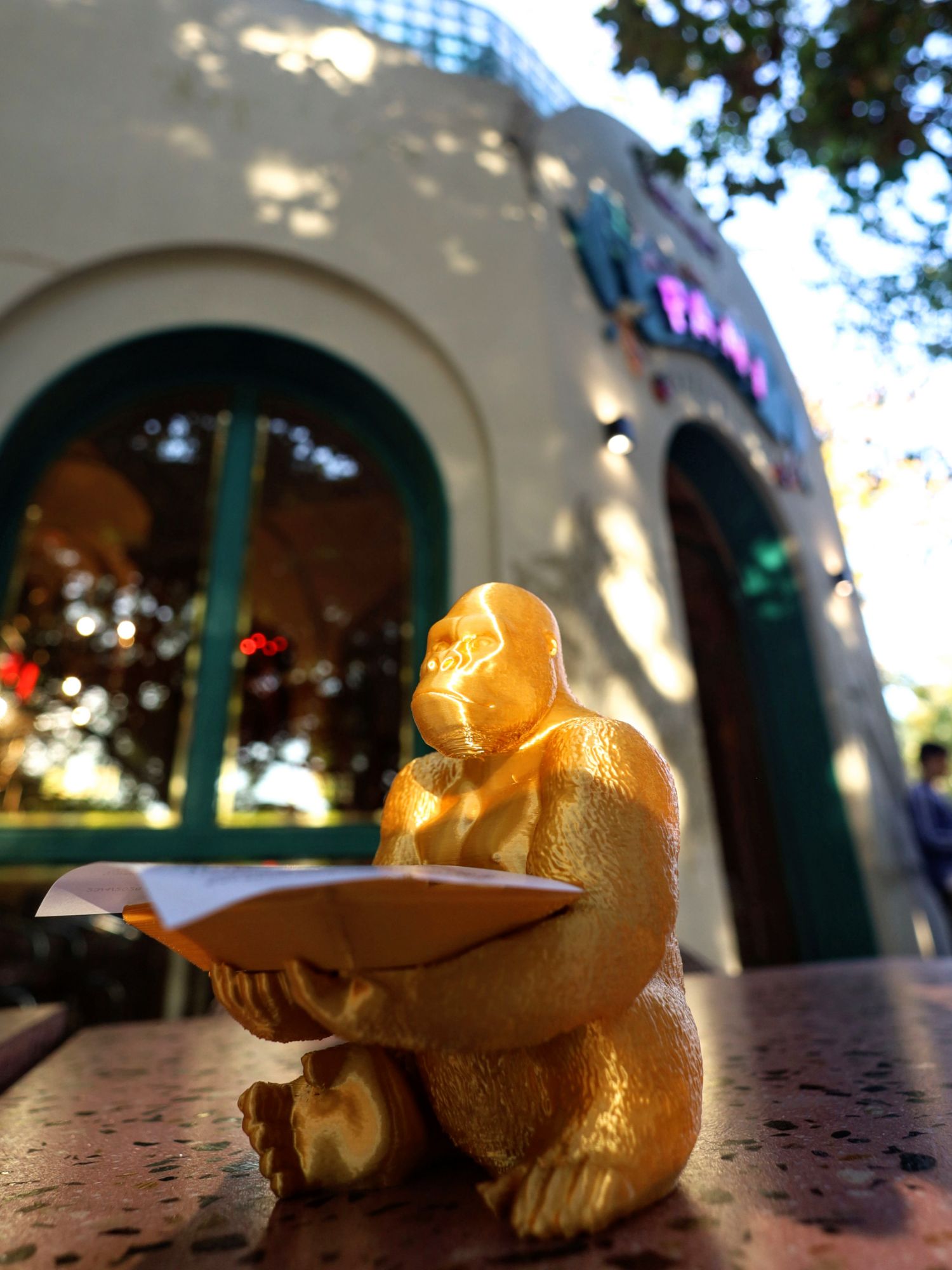
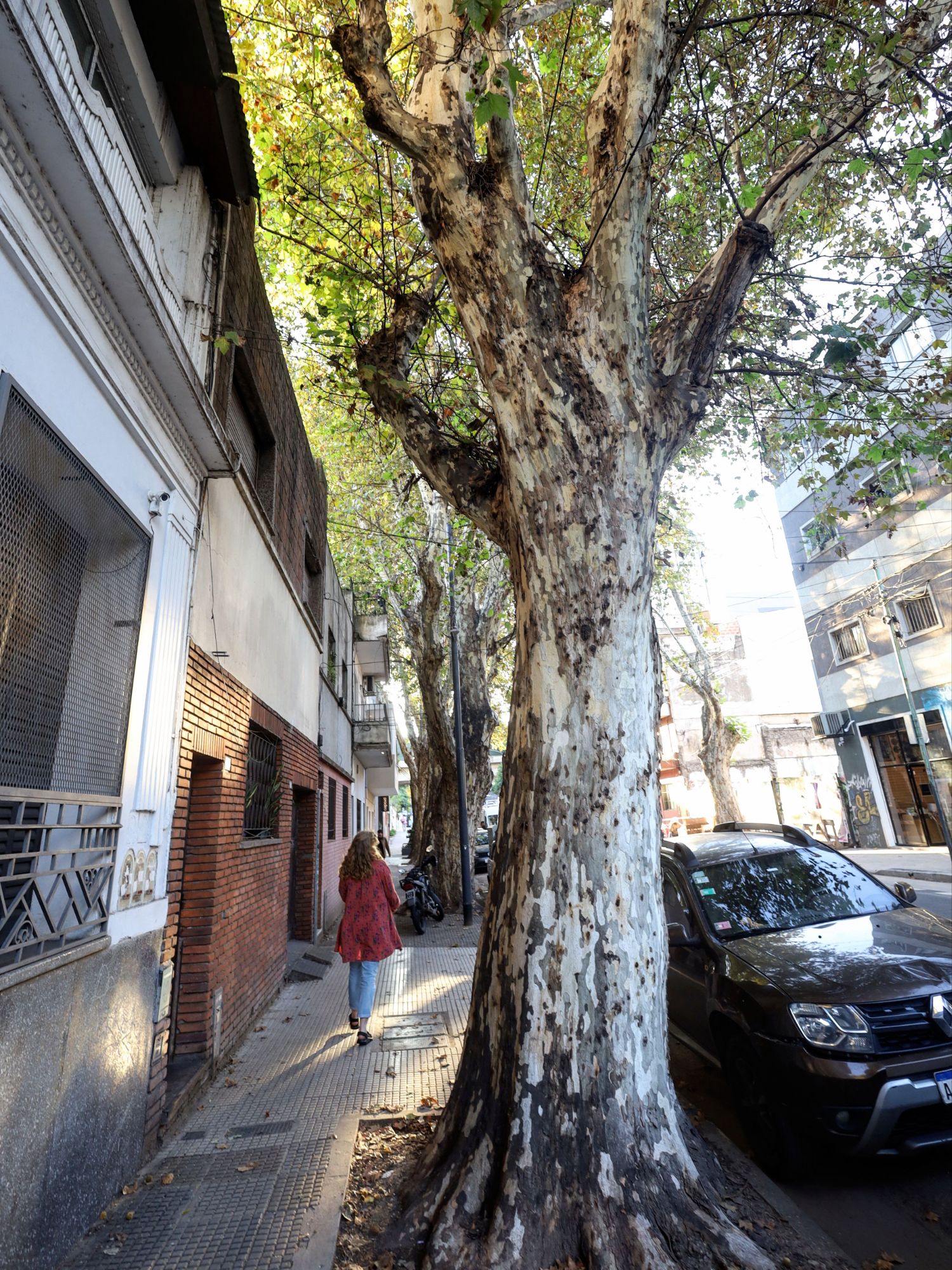
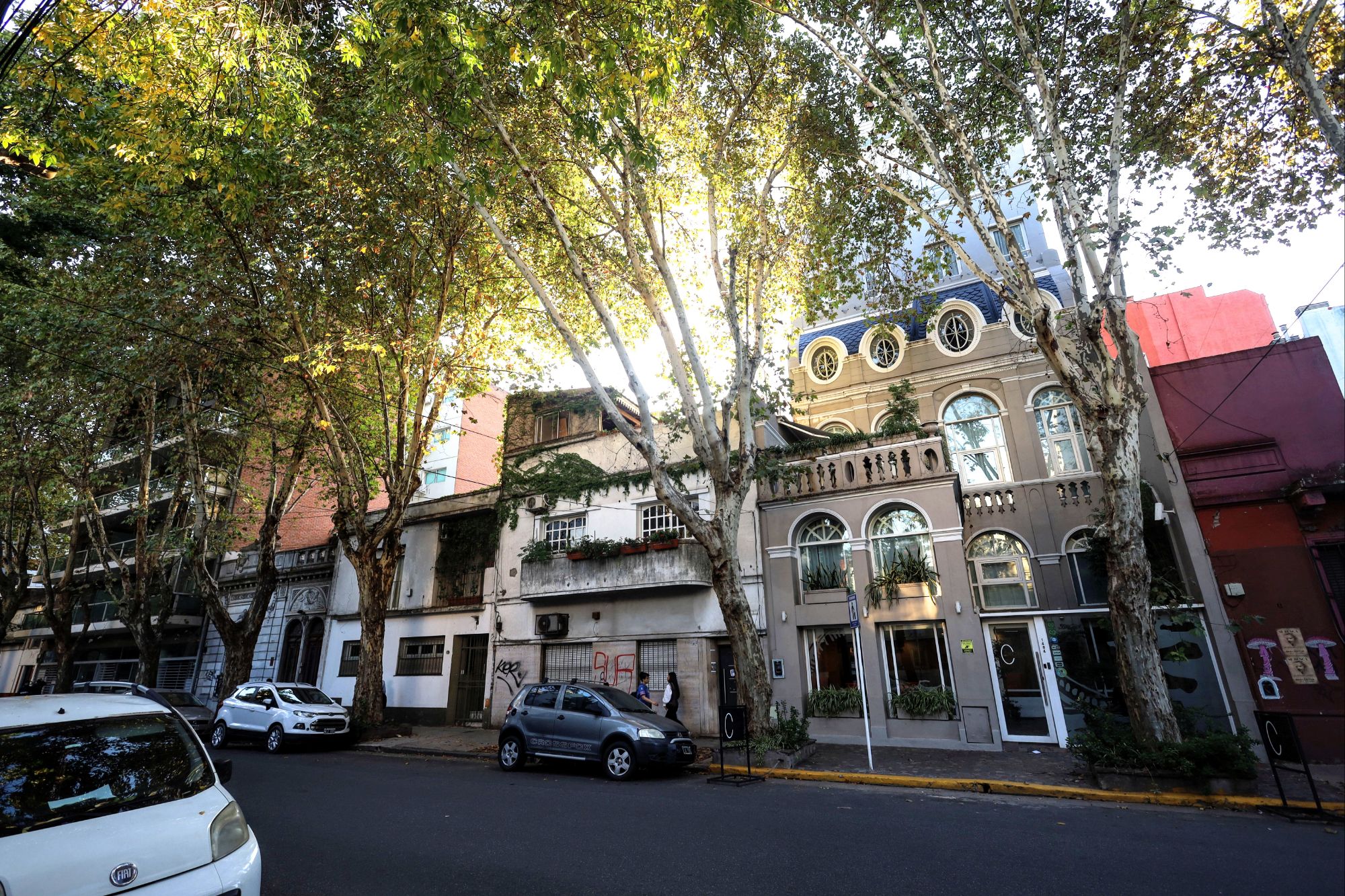
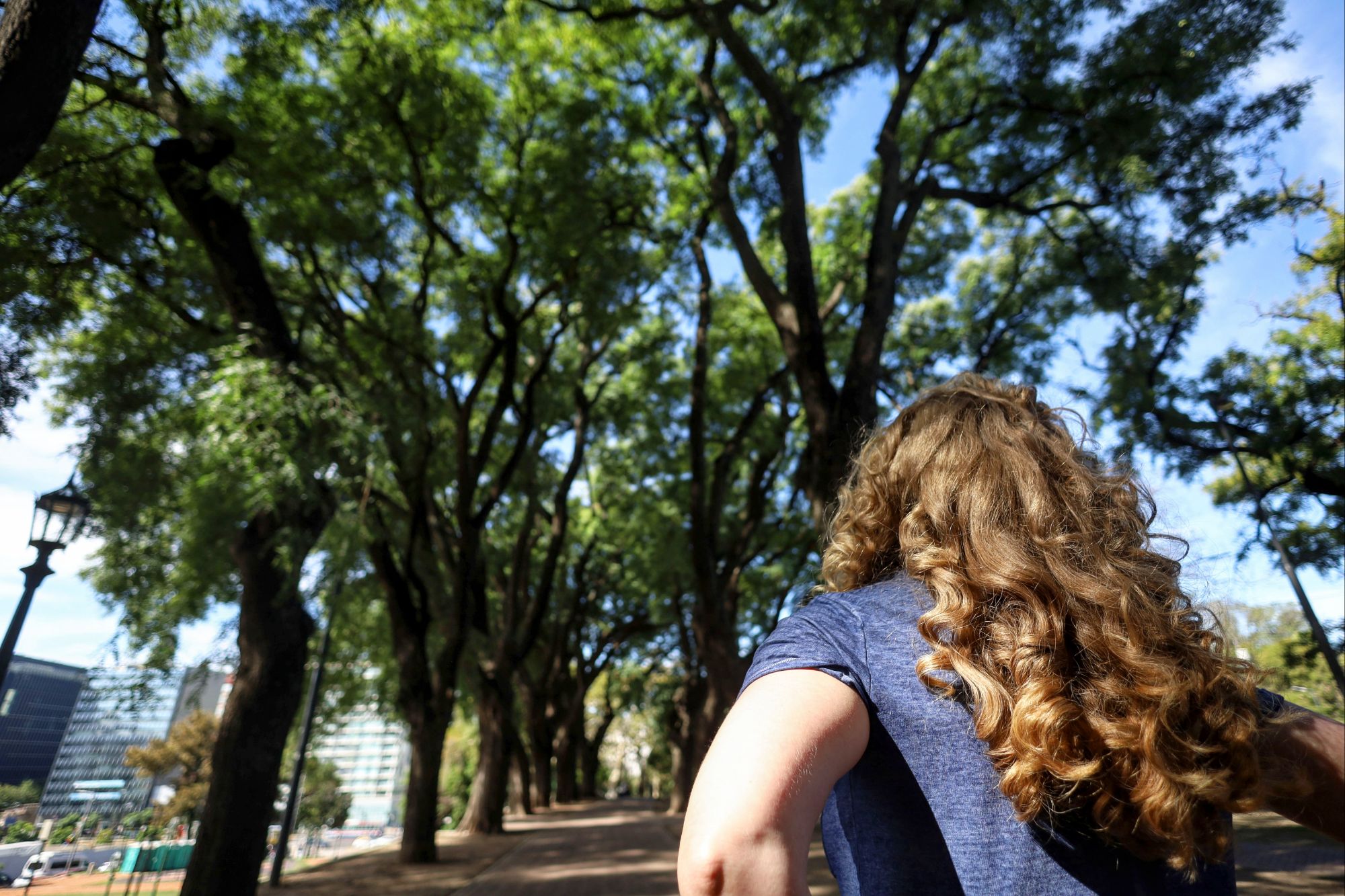
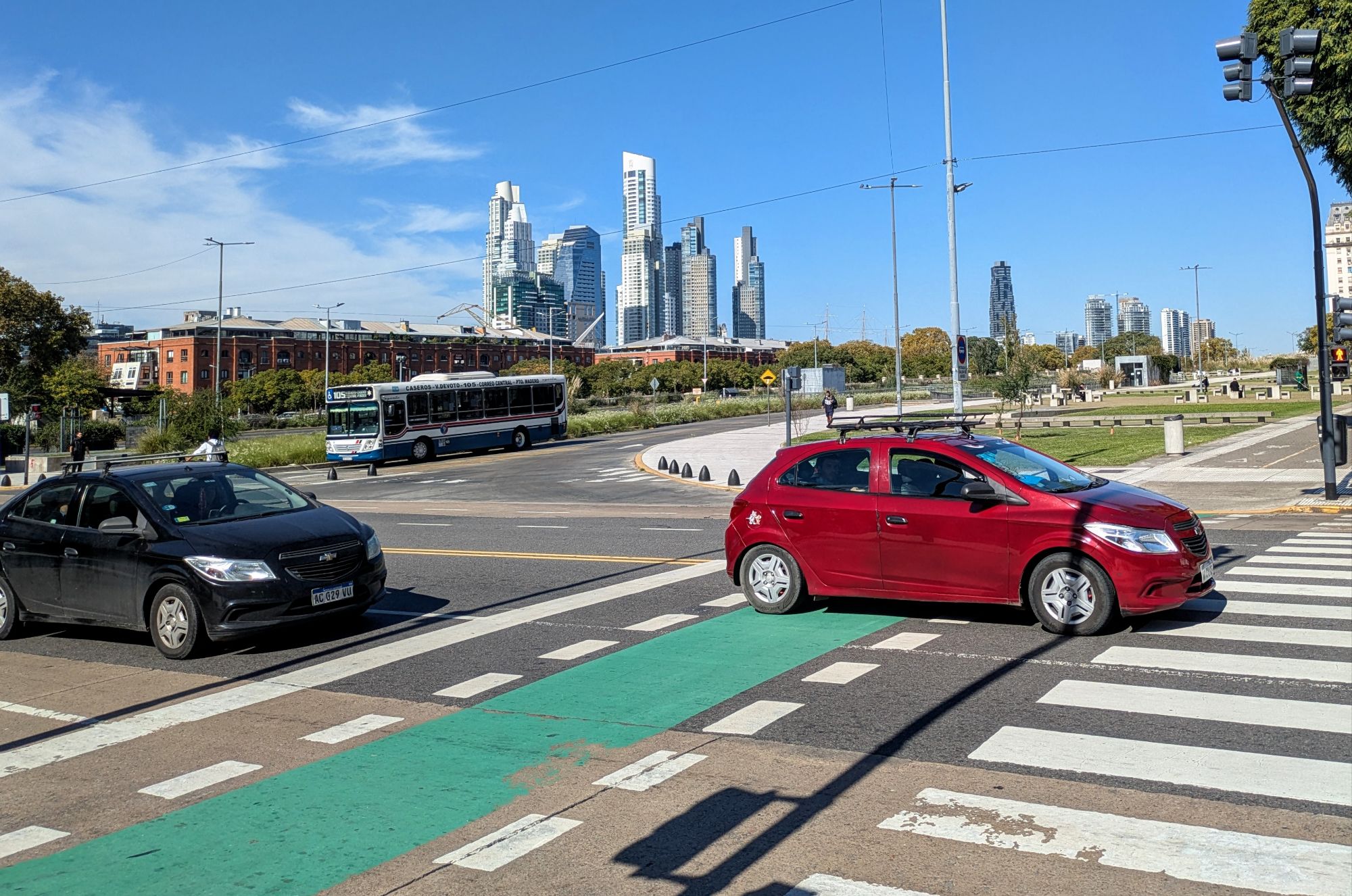
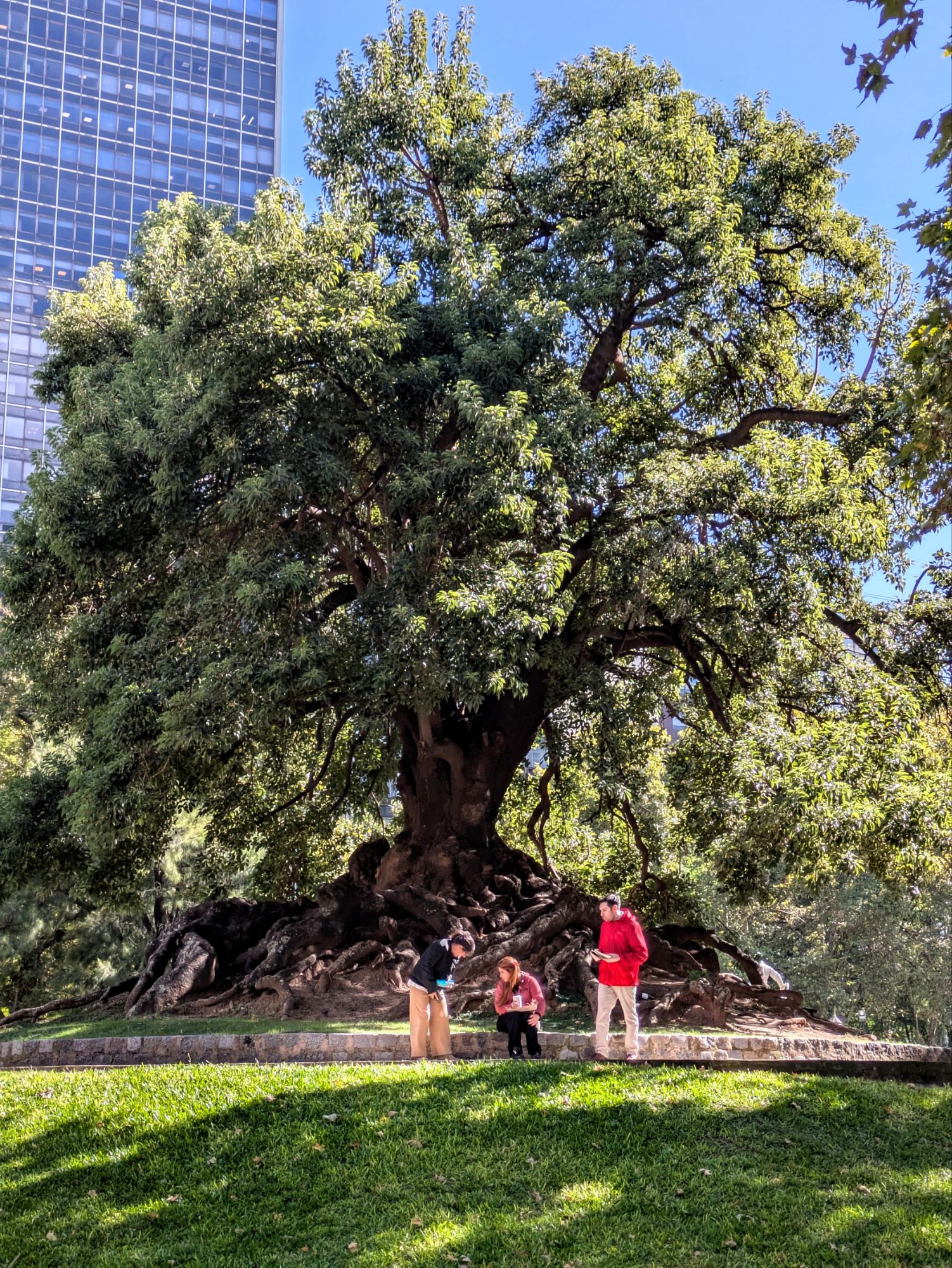
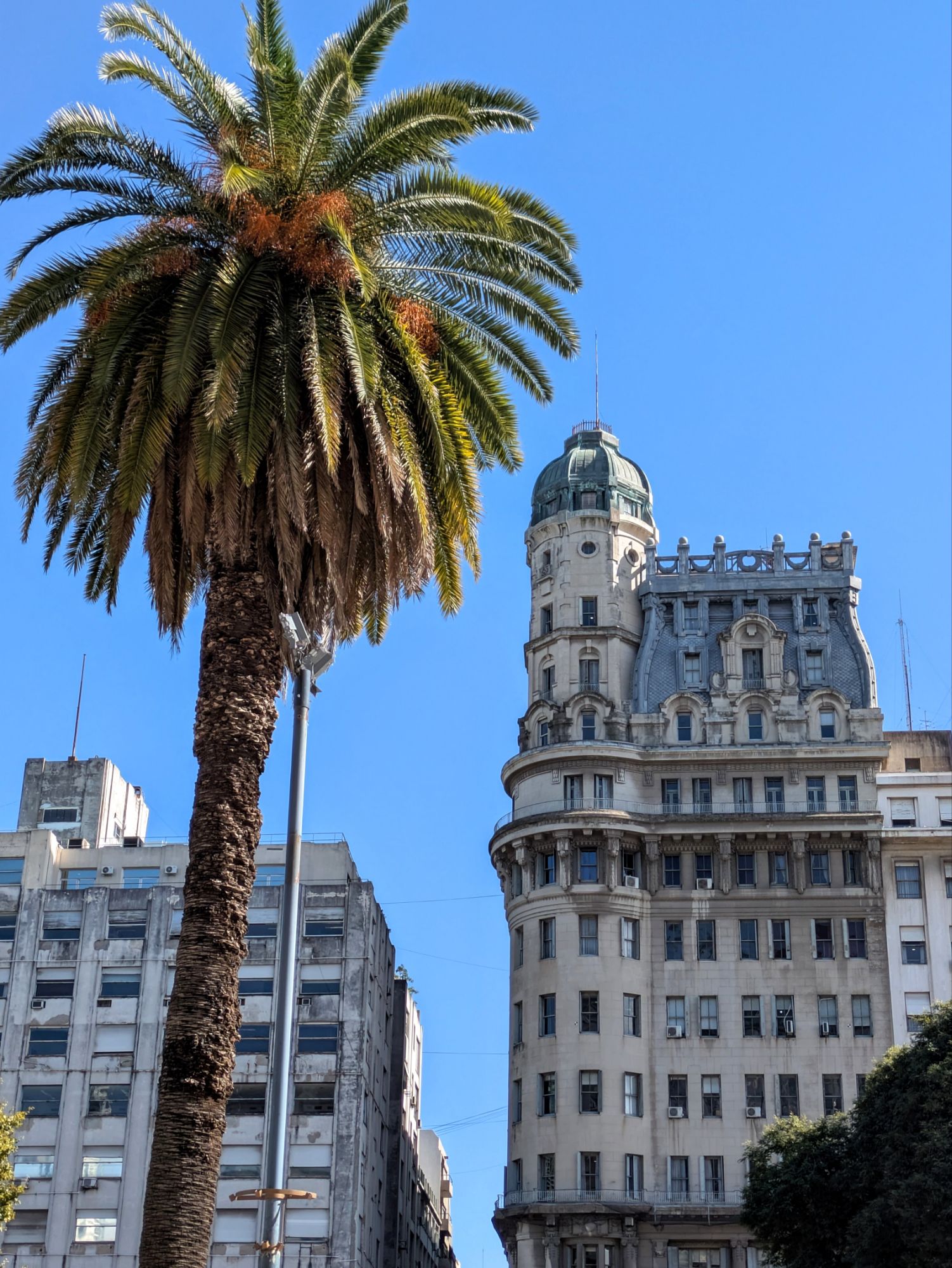
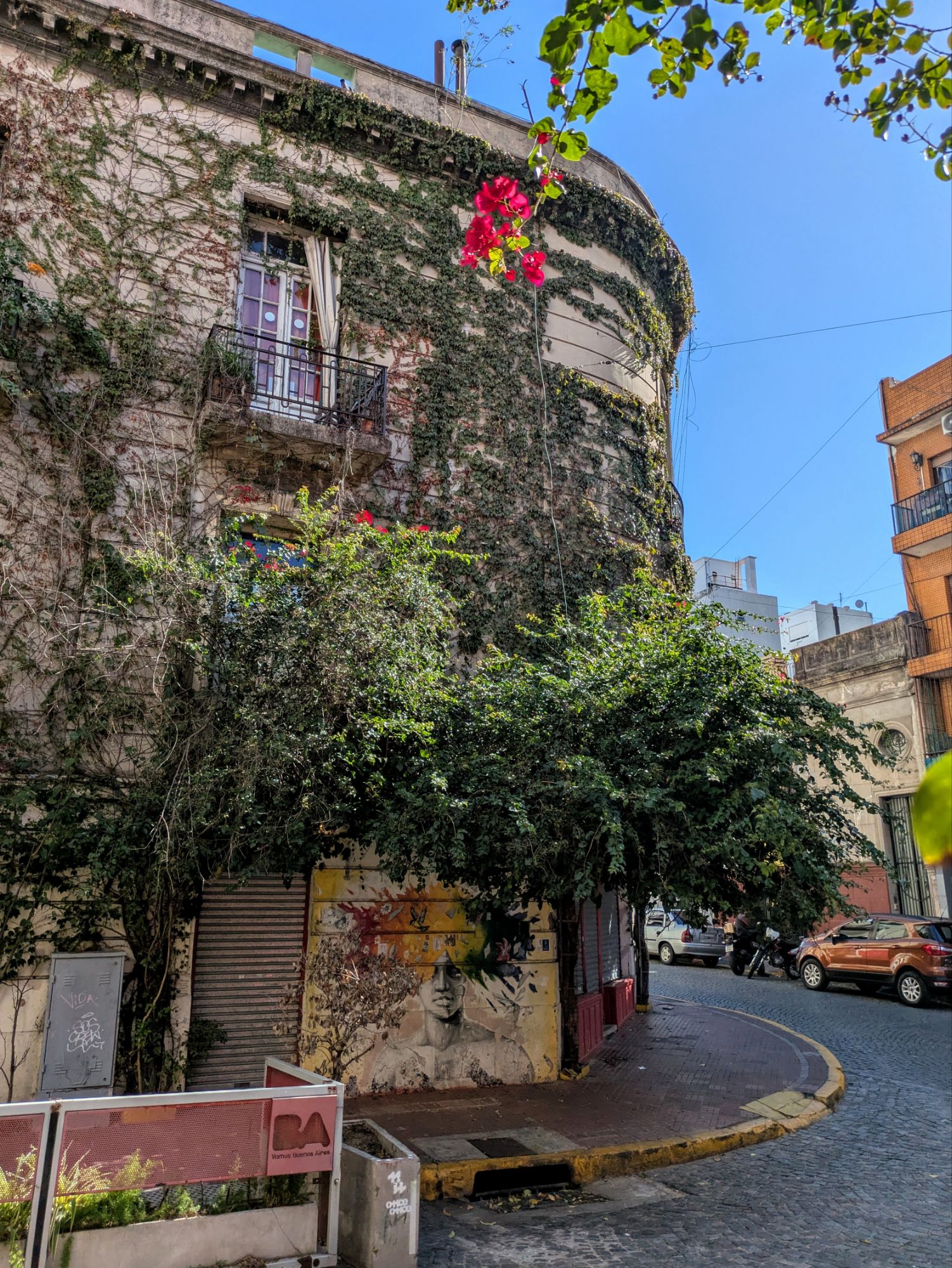
One of the first things I had read about Buenos Aires (on Wikipedia) is how it has one of the lowest ratios of parkland-per-citizen of major world cities. Maybe that’s true, and maybe it becomes truer as you include the vast rings of people living outside of the central city, but our explorations certainly didn’t feel short of parks and green spaces. Maybe some of that is because the city does a good job of nurturing street trees to make shade on hot summer days, but those don’t count as “parks”. In many places, the narrow sidewalks meant that there was no space for trees, but there would frequently large bushy vines leaning out from the walls of the buildings, all sprouting out from a tiny 4×4-inch hole in the concrete at the base of the building: an incredible space-efficient trick. At the other end of the scale, we visited the Costañera Sur Ecological Reserve, a huge green space that separates the city from the 100-mile-wide “river” to which it owes its existence.
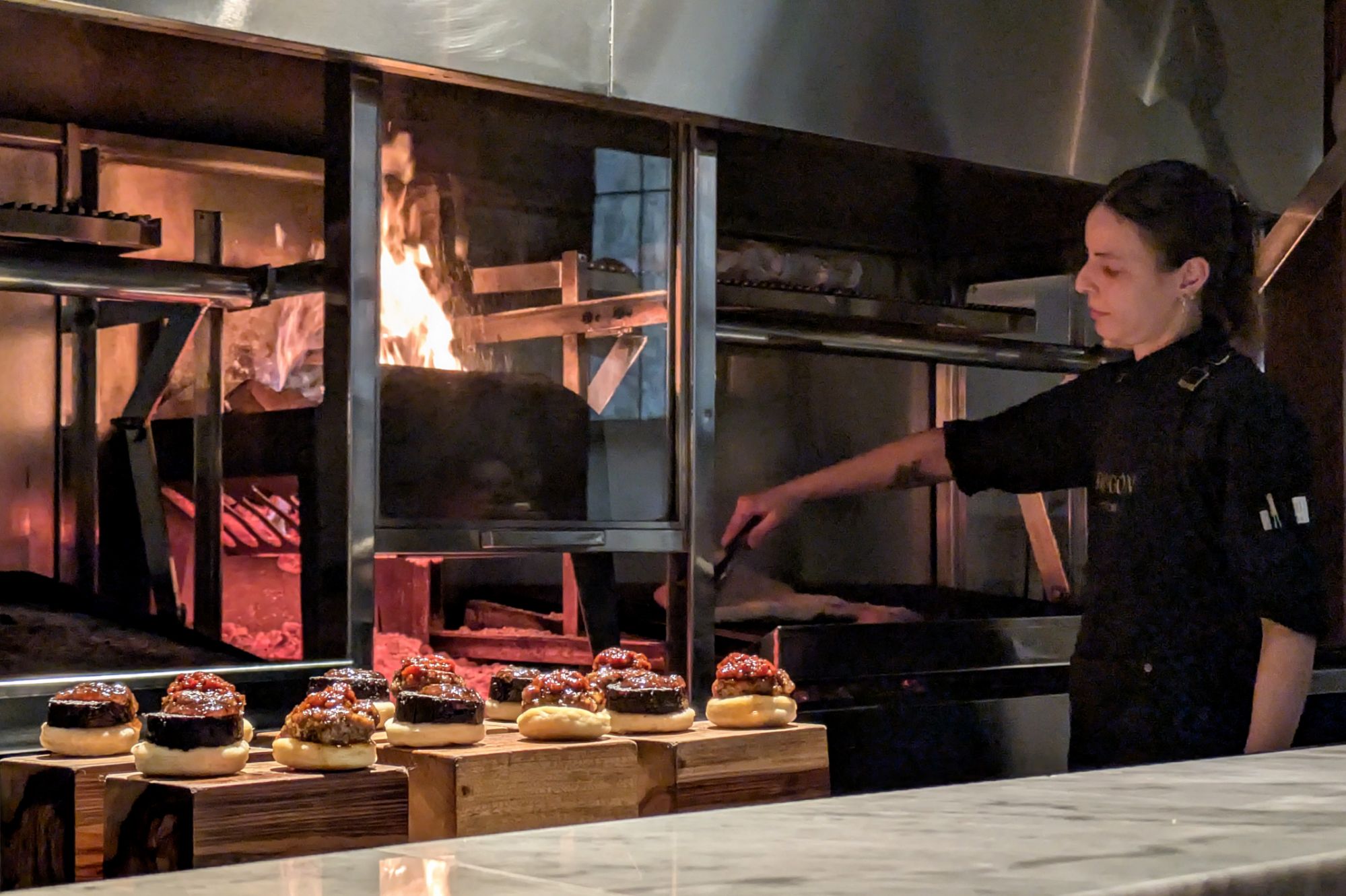
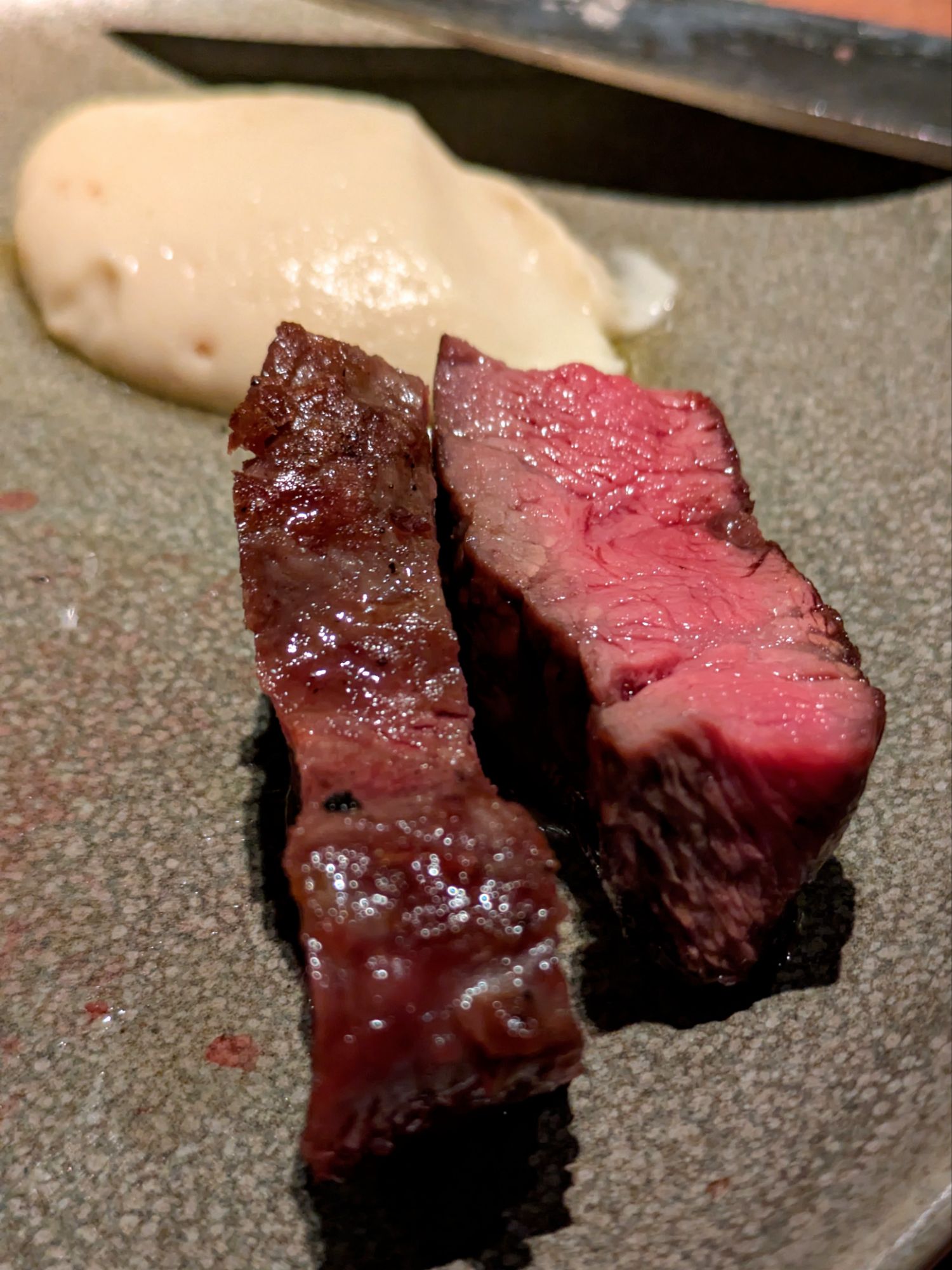
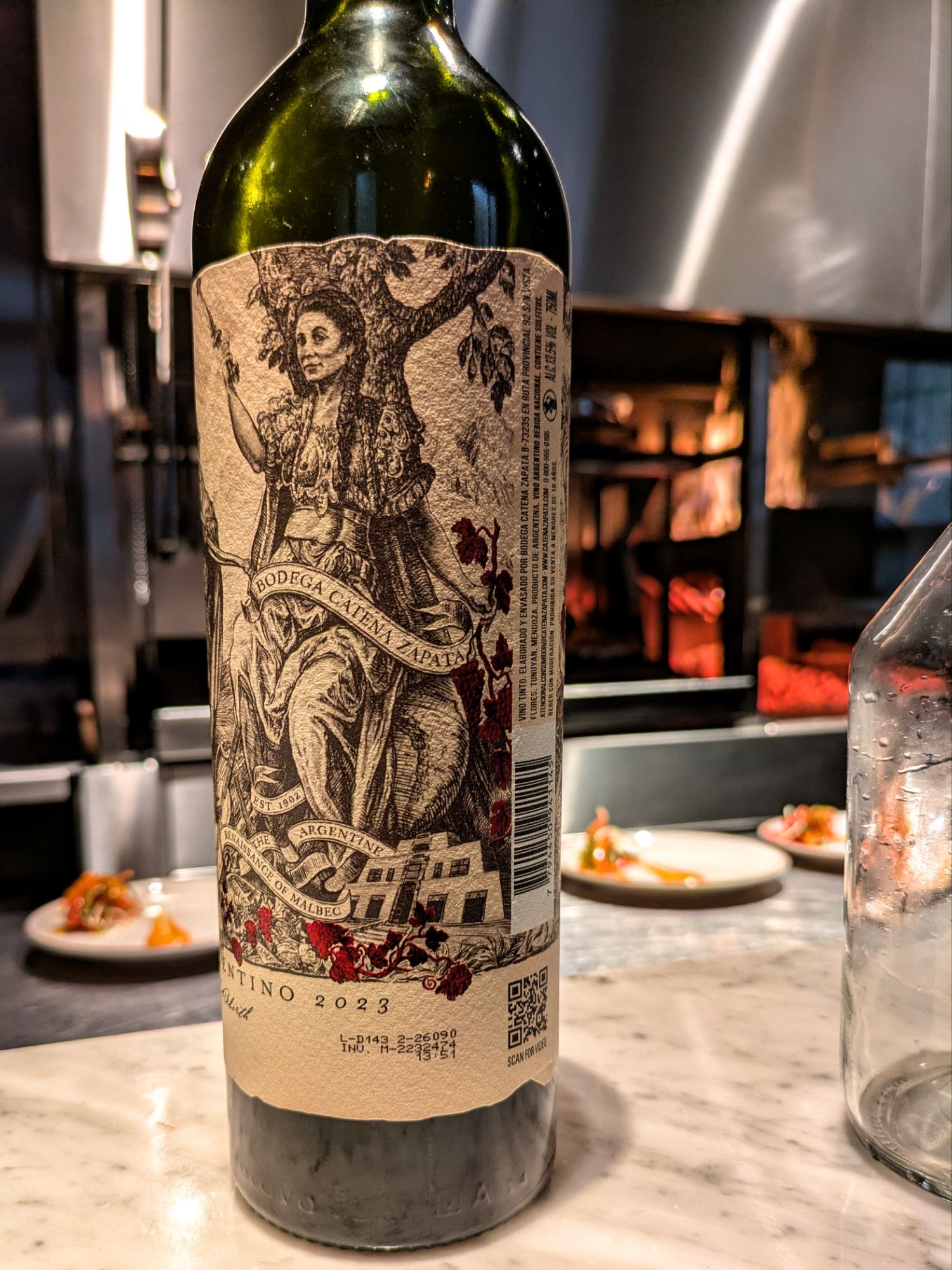
Since we’d avoided spending money on a tango show, we went big on the other thing foreign tourists “must do when visiting Buenos Aires”: eating at an Argentine steakhouse. The ideal way to do an “asado” is to befriend a local family and get invited to their Sunday barbecue, and since we aren’t cool enough to pull that off, we went in the opposite direction: a fine-dining version. With a small reserved group sitting at a bar surrounding the kitchen, and a whole string of courses, it was very similar to the world-class dinner we had in Cusco. Which unfortunately made the comparison unfavorable to the higher-priced Argentine version, but it was still certainly a worthwhile experience and a celebratory way to close out our time in Buenos Aires.
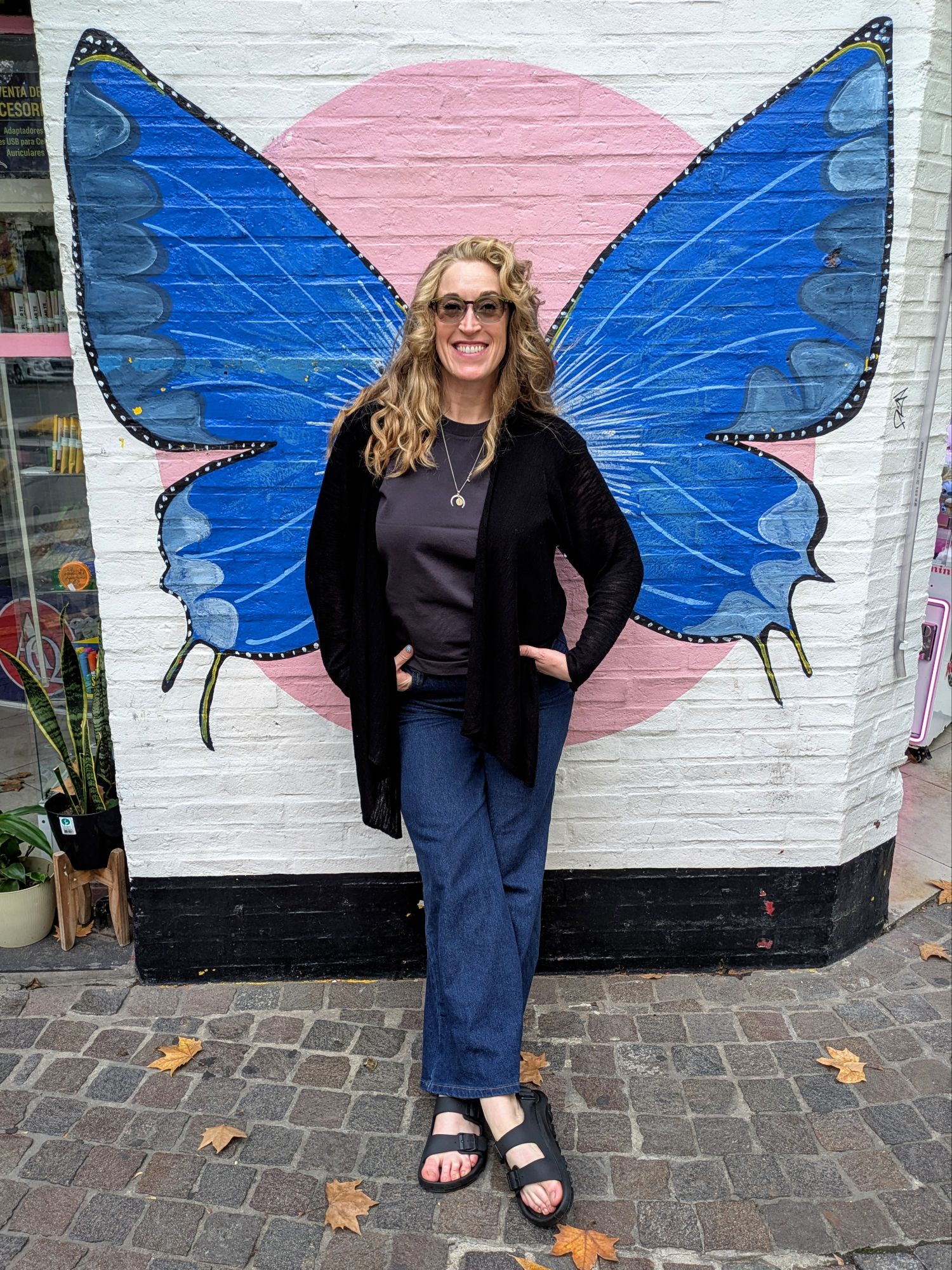
When we were in Chile, we’d been intentionally collecting a large amount of Chilean currency, in case we got stuck in Villa O’Higgins for a long time and were staying at a place that only took cash. That did not come to pass, but since our assumption had been that we’d return north to Chile, we figured there would be plenty of time to spend down that fat stack. Instead, our spur-of-the-moment decision to remain in Argentina meant that we had the equivalent of US$1300 to exchange somehow. A big city like Buenos Aires should have good rates, right? No! It turns out the rate for CLP is surprisingly, shockingly bad. Like 30% worse than the “ideal” rate, and worse than the rate for any other currency. Some research suggested that we might actually get a better deal at one of our US banks rather than in this neighboring South American country, but almost no one online has tried “returning” large amounts of odd foreign currency to their banks, so that would be a risk too. Still, even if we got a “bad” deal in the US, it seemed hard to believe that it would “cost” us more than $400, so that’s the risk we would take.
Leave a Reply