
40.7 mi / 11.8 mph / 289 ft. climbing
Home: Nicolas’s AirBNB
In late July, when we were staying with Rett’s dad in Skaneateles, the TV news began reporting on wildfires and evacuations near Bordeaux, France. This concerned Ken (beyond the broader issue of what it says about our climate), in an understandable if illogical way: “you’re going to France, won’t that be dangerous?!” Perhaps our experience cycling past active wildfires (twice!) has set us up with a treacherous nonchalance, but more-broadly, I knew we it would be months before we got anywhere near the part of France with the fires, and I also know that even “huge” fires cover relatively-small areas, so even in the impossible chance that our as-yet-unknown route would take us near them and they were somehow still active, we would simply adjust our route.
So I had to laugh when a couple of days ago when I finally realized “shit, we’re heading straight for that wildfire we saw on the news in July!” As expected, everything had been extinguished at least two months ago, but I did need to make sure that once-closed roads/trails had re-opened. It actually looked like a section of the EuroVelo 1 bike route was still closed, and their website said there was no good detour, suggesting heading way inland through Bordeaux as one non-ideal option. And guess what, that’s exactly where we were heading anyway!
One of Rett’s must-dos in France was to visit the town of Albi, the birthplace of her favorite artist, Henri Toulouse-Lautrec. At one point we had been planning to cross into Spain on the eastern end of the Pyrenees, on our way to Barcelona, and we would have passed through Albi on the way. But in recent weeks we realized that zig-zagging would have added too much distance to our target at the southwest corner of Spain (the ferry to Morocco), so we resolved to remain on the west coast of France and cross the Pyrenees at their western end instead. But we still wanted to do Albi, so we decided to do it via a day-trip on trains, and Bordeaux was the best place to do that from.
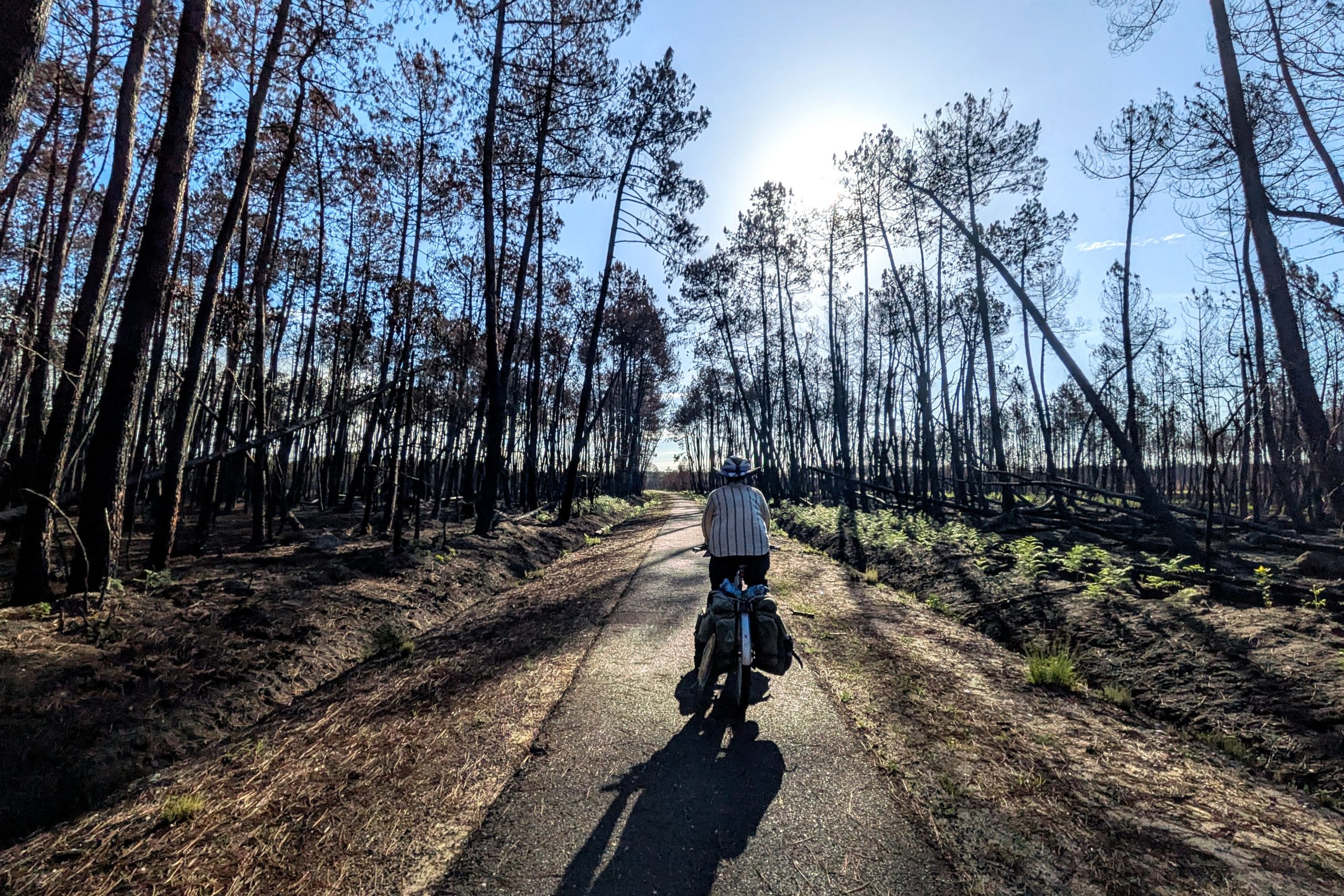
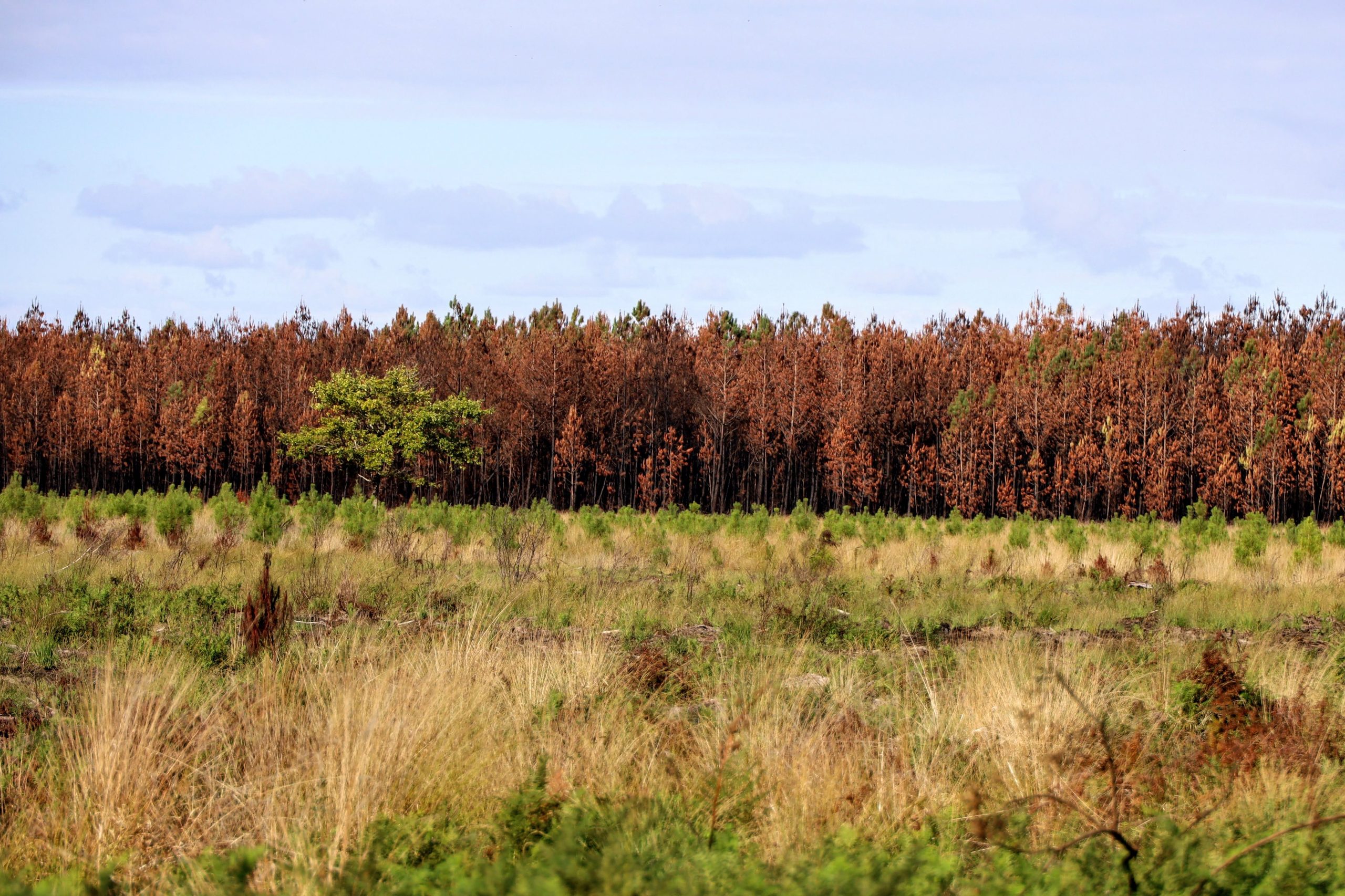
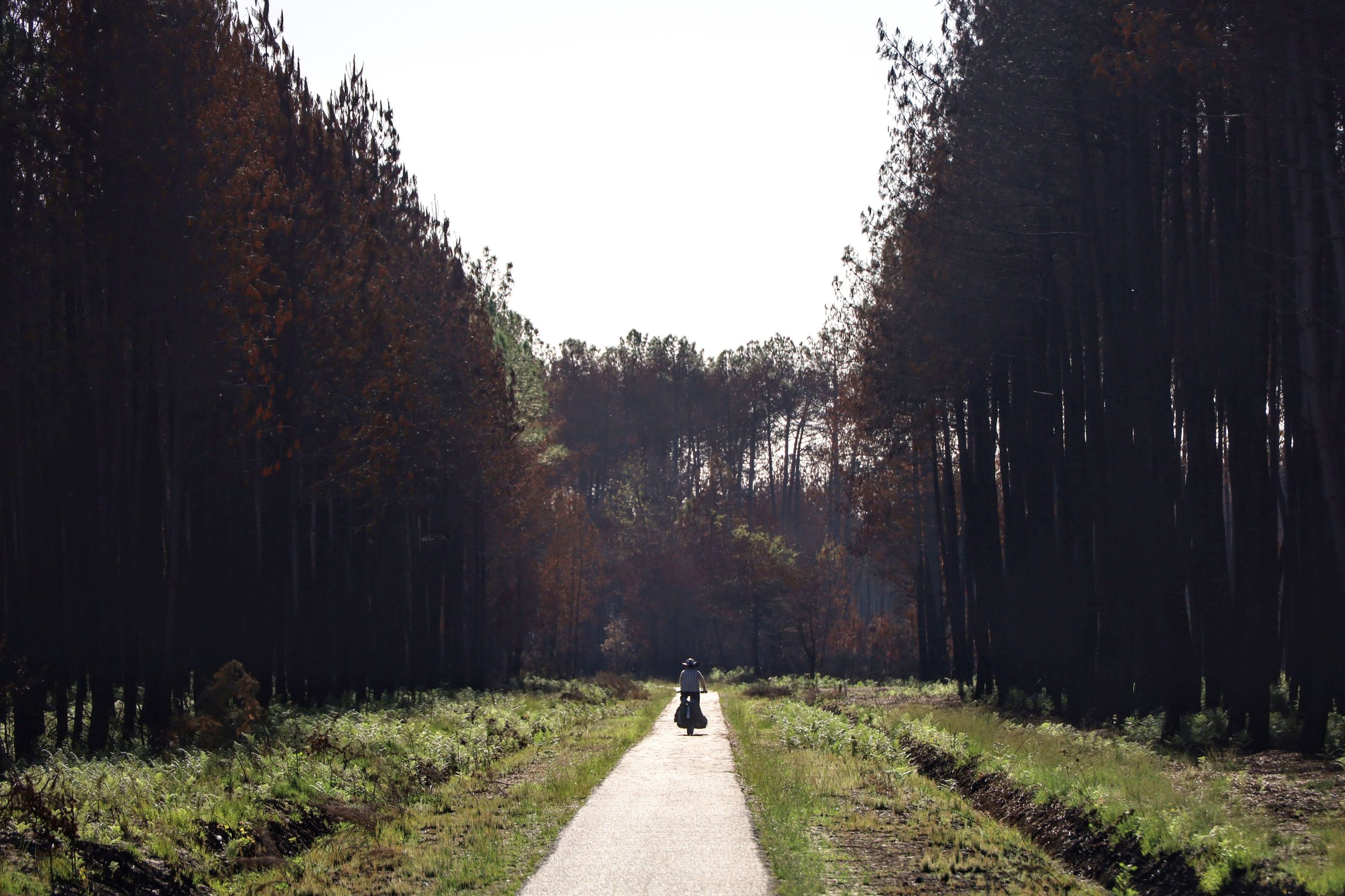
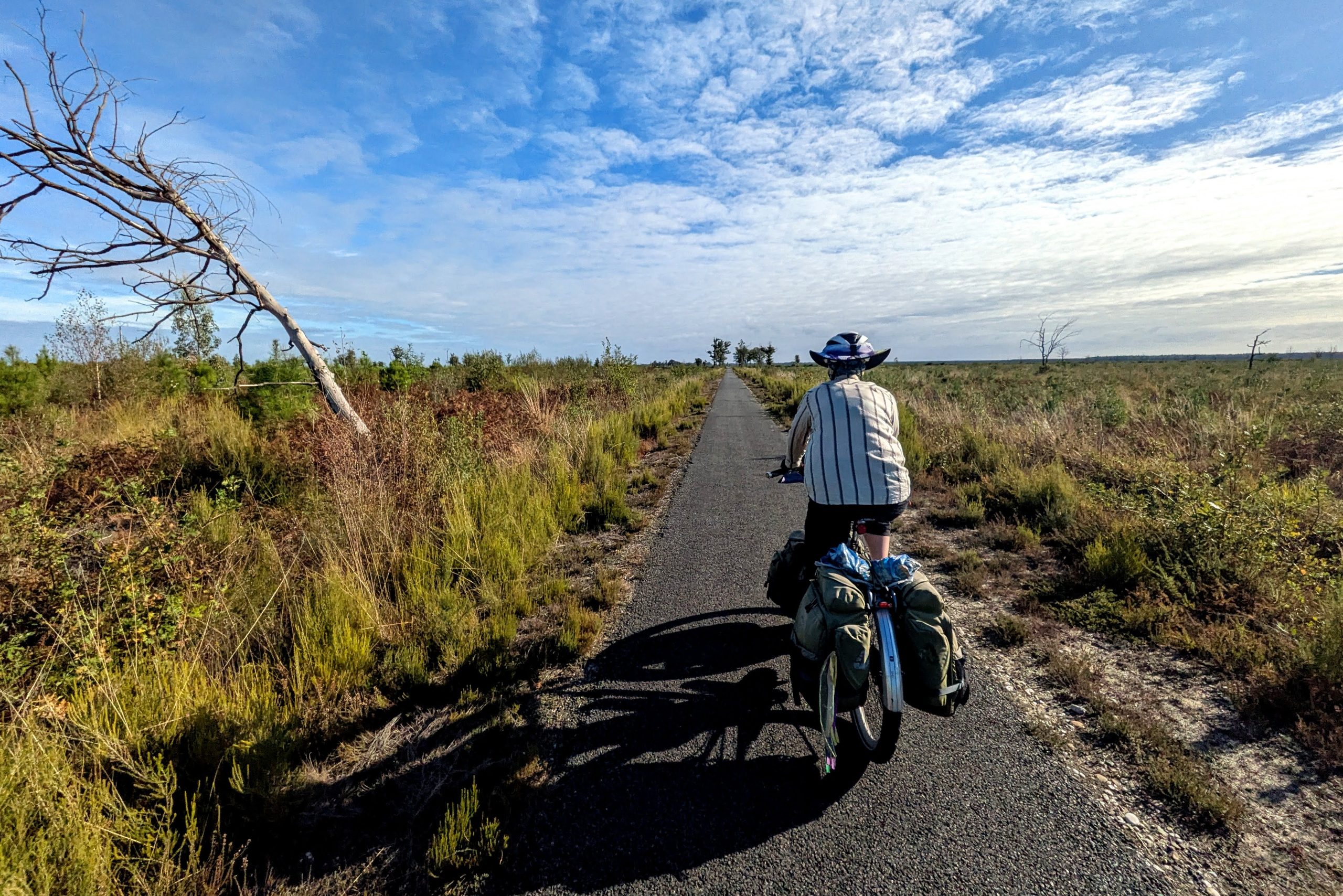
First, however, we needed to pass through the burned forest. Our route was taking us to Saumos, the epicenter of the Gironde fire. While the town itself was saved, its invested wealth (the lumber plantations surrounding it) had been decimated, leaving its future uncertain. It wasn’t entirely clear from their website and Facebook page whether the bike trail heading into town had been reopened, but we’d be able to take the road that roughly paralleled it if not. At the entrance, there were a couple of orange cones blocking the path in the opposite direction, but the ones in our direction had been moved across the road. An official opening, or just locals annoyed that their trail was still closed? It looked unblocked as far as we could see, so we went for it.
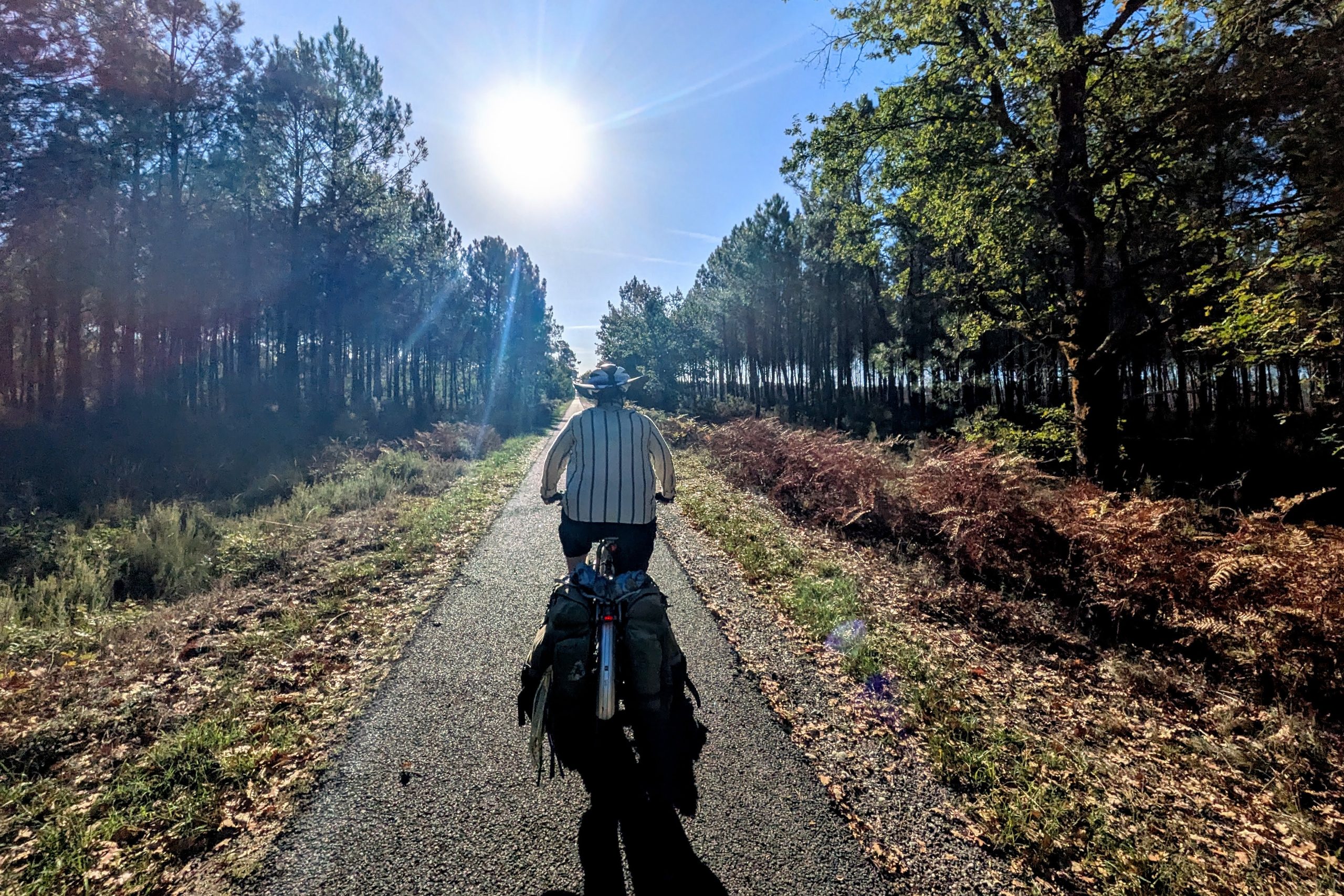
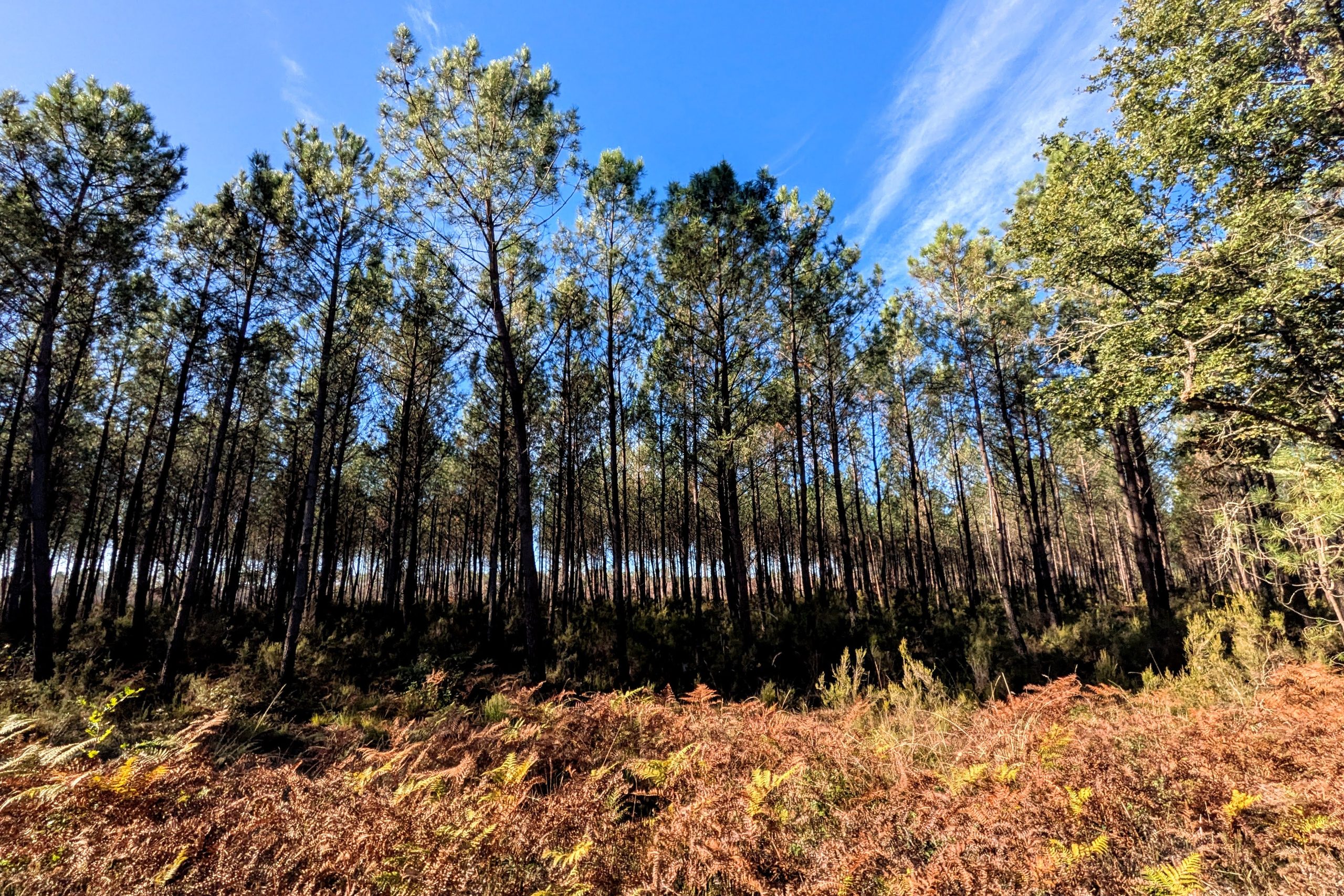
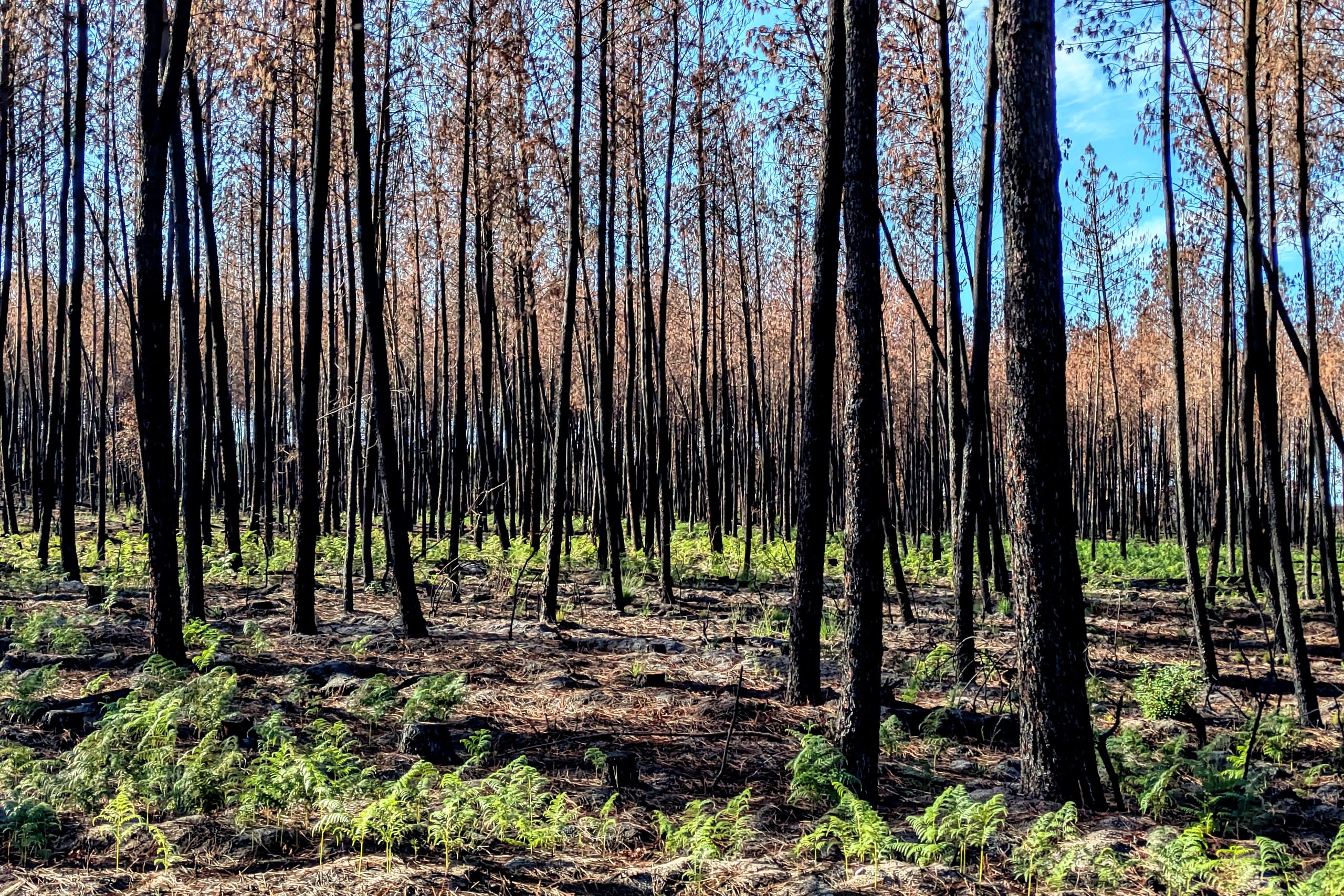
Initially there was no evidence of the fire, but soon we reached stands of blackened trunks. Still, there was no lingering smell, and fresh green undergrowth was trying to bury the destruction as quickly as possible. It was clear that firefighters had used the trail corridor, both for access (in places the edge of the asphalt trail looked crumbled by heavy equipment rolling down it) and as a firebreak (there were ditches dug alongside the trail, and for a stretch, only the trees on one side were burnt, while the protected side remained untouched). Eventually though, the fire overwhelmed the line and covered both sides.
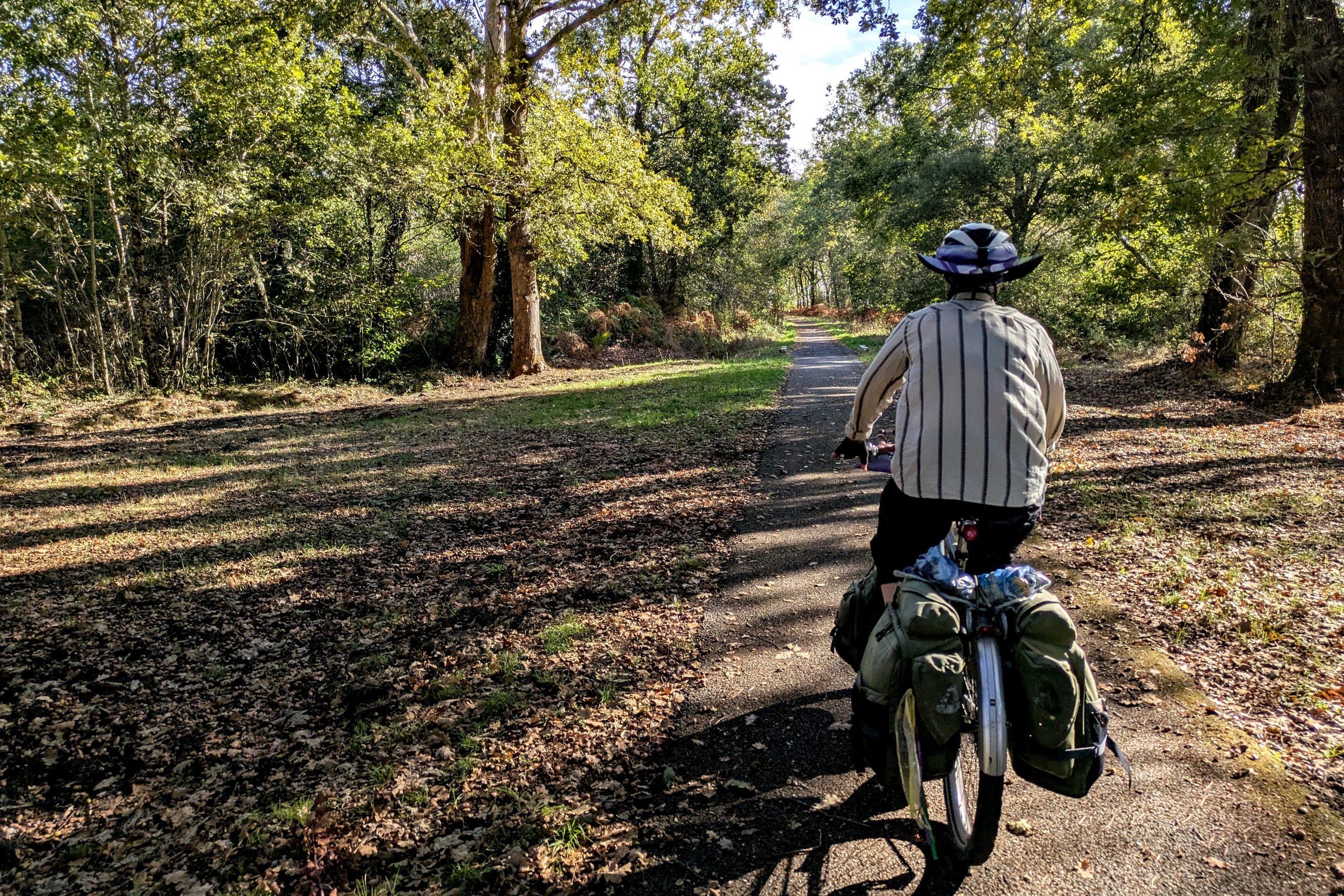
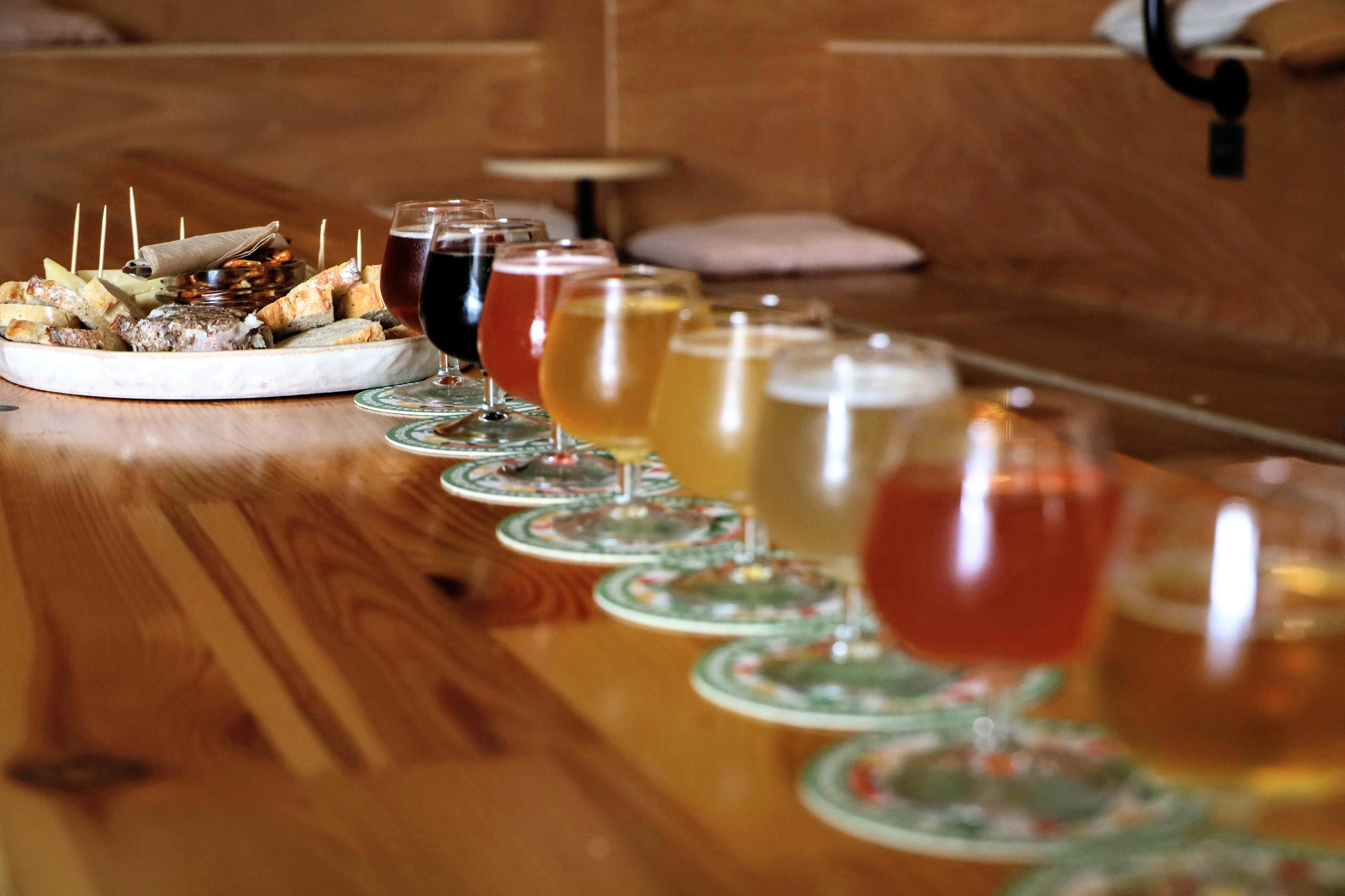
On the other side of Saumos, the trees disappeared (not because they burned, they’d just never been planted), but the trail continued through its gentle former-rail-line curves all the way into the outskirts of Bordeaux. Since we had time to kill before our AirBNB check-in, we turned off to a brewery in an appropriately-light-industrial zone. Brasserie Effet Papillon (“Butterfly Effect Brewery”, not “A Gay Butterfly’s Bra”!) was an amazing luck-balancer for us: it felt like we’d had bad timing with our last few brewery visits, where the quality of their supply when we arrived was below their historical/advertised standards, but at Papillon, every one of the 8 beers we got was an excellent match for our tastes, something we probably shouldn’t expect if we were to ever return.
After our beer flights, Bordeaux was thoughtful enough to offer us three different flavors of bike route into the city from the northwest side: 1) continue along the rail-trail up north, completely separated from the roads, 2) take a two-way segregated bike lane along a road corridor, or 3) ride in a road with on-street bike lanes in the shoulder.
Bike infrastructure is great, but sometimes it’s just too much. The rail-trail would have been fine, but it took us too far out-of-the-way, and as it got closer into the city, it would have to do increasingly-complicated maneuvers to stay separated from the rest of the world, and become increasingly-crowded with joggers and kids and other people not paying attention.
The two-way segregated bike lane is the “gold standard”, the thing that gets everyone from age 8 to 80 out of vehicles and on their bikes, the thing that US cycling-advocates drool over when they look to Europe. But, even as well as France designs such infrastructure, friction inevitably remains at every intersection, friction than can sometimes force our wide heavy bikes to a dead stop.
So I was thrilled that the city had left a “sub-standard” bike route in place, because for us, “just give us some space on the road next to the cars” is the ideal situation. There’s no trickiness at intersections, and you can just flow with traffic. I understand that 8-year-old kids aren’t going to engage with those conditions, but honestly, once the off-street bike lanes become packed with other users (as they do here in France!), kids aren’t going use those either!
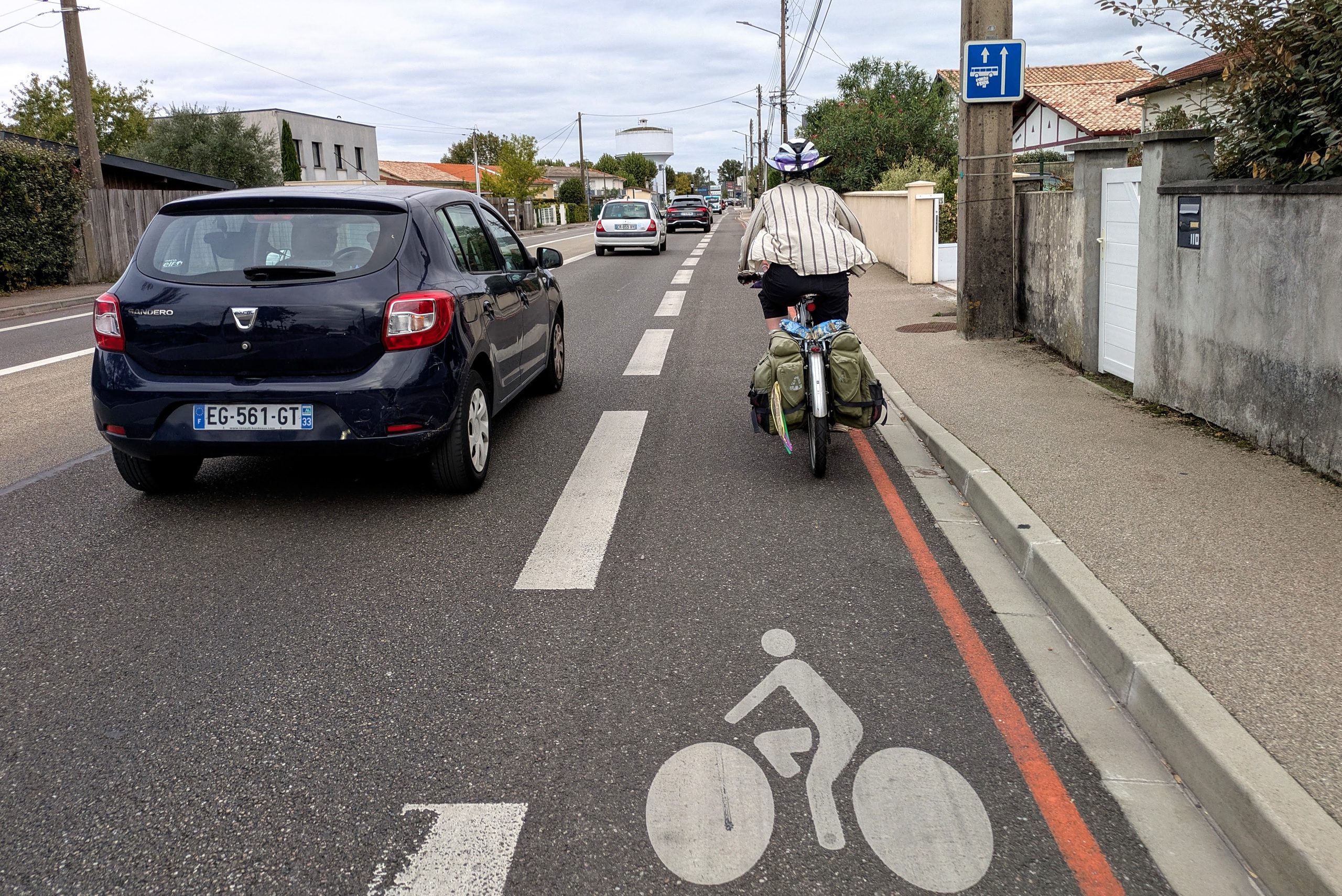
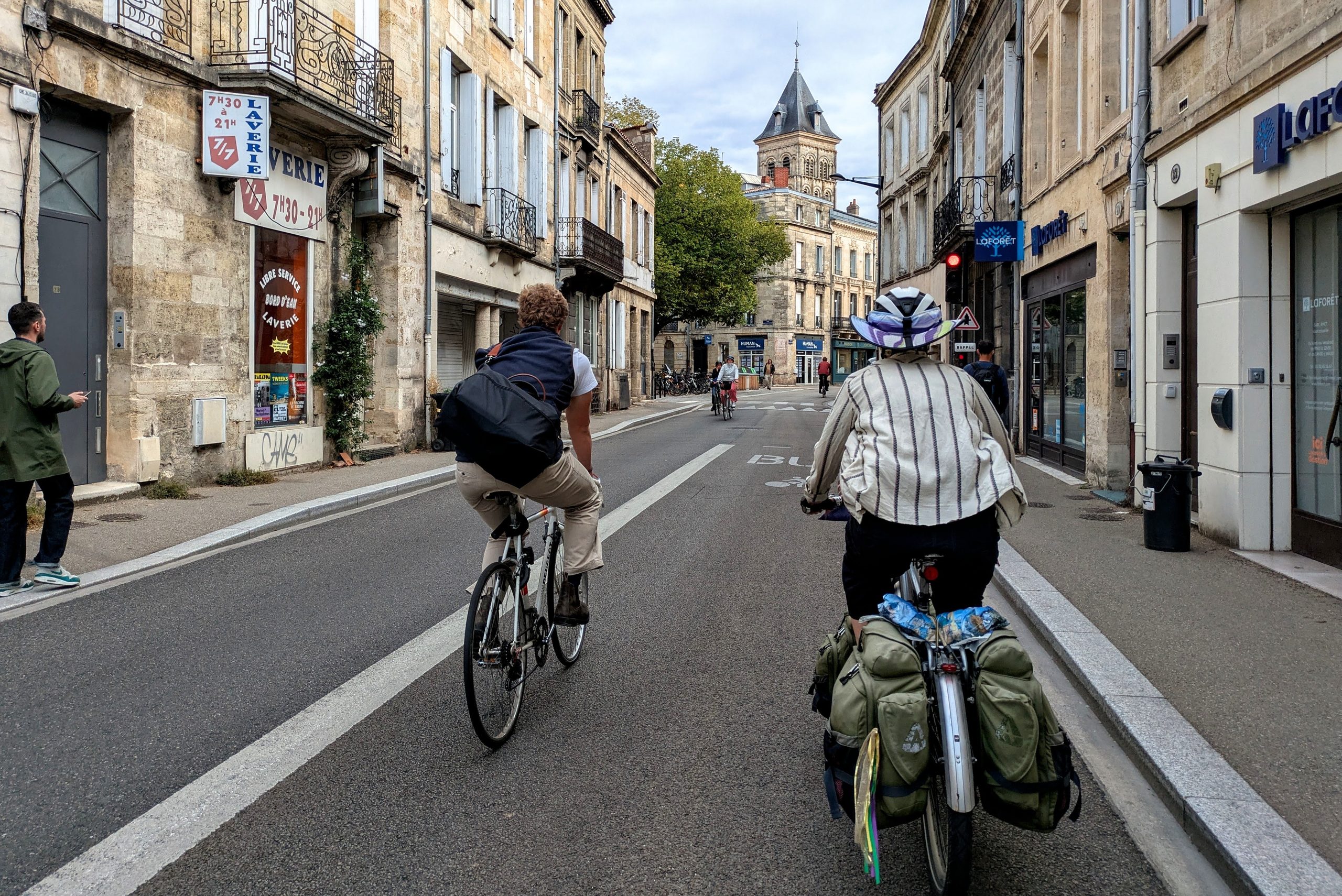
Maybe the beer helped as much as the bike lane, but the six miles into the heart of Bordeaux just flew by, with us sometimes cruising faster than the cars on the packed road. Rett was particularly kicking ass, simultaneously smooth and aggressive, and as we got closer in and joined up with more cyclists, she was independently picking up leaders to follow, making us appear more like commuting locals than ignorant foreigners, as we wove around buses and through complex intersections.
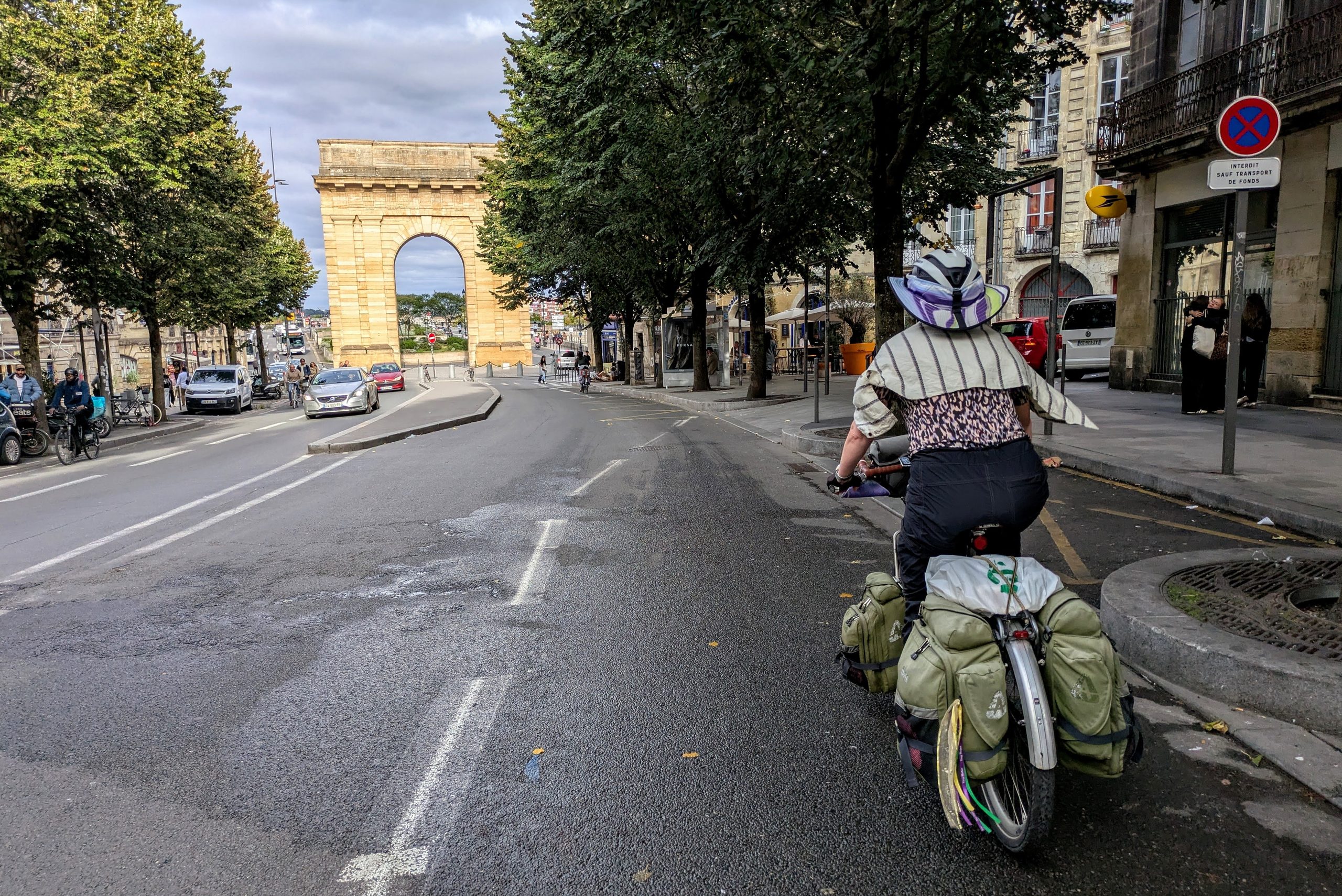
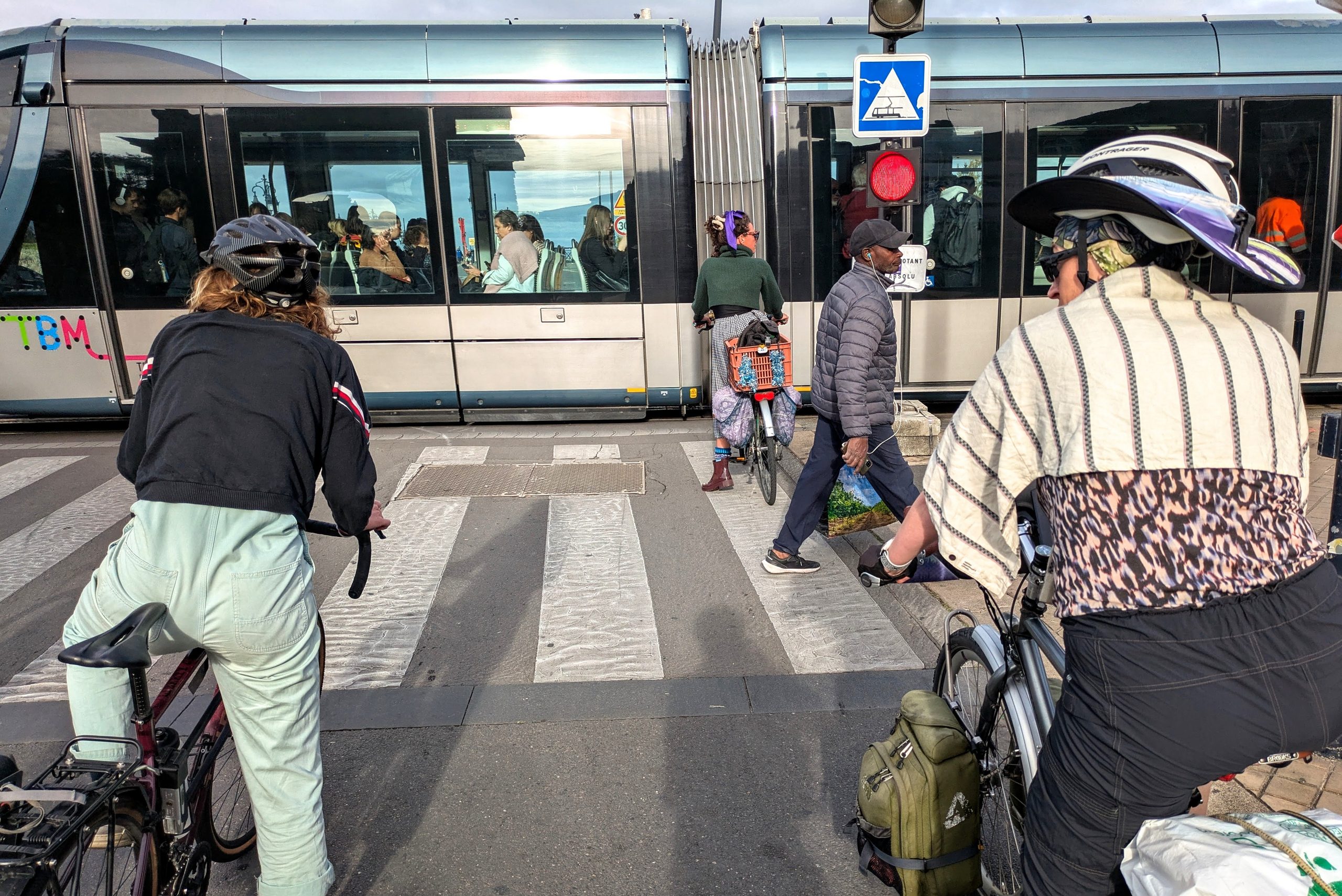
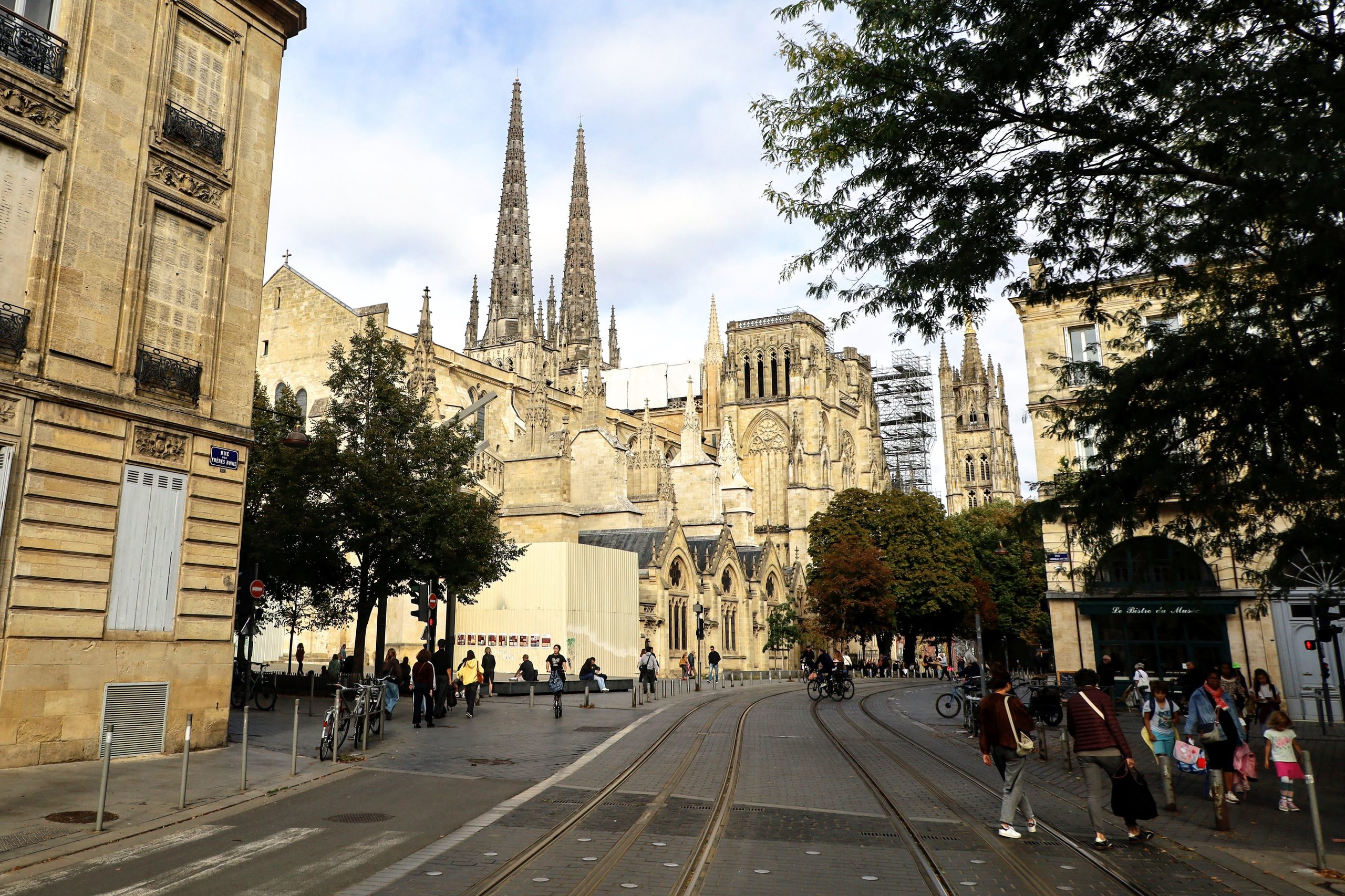
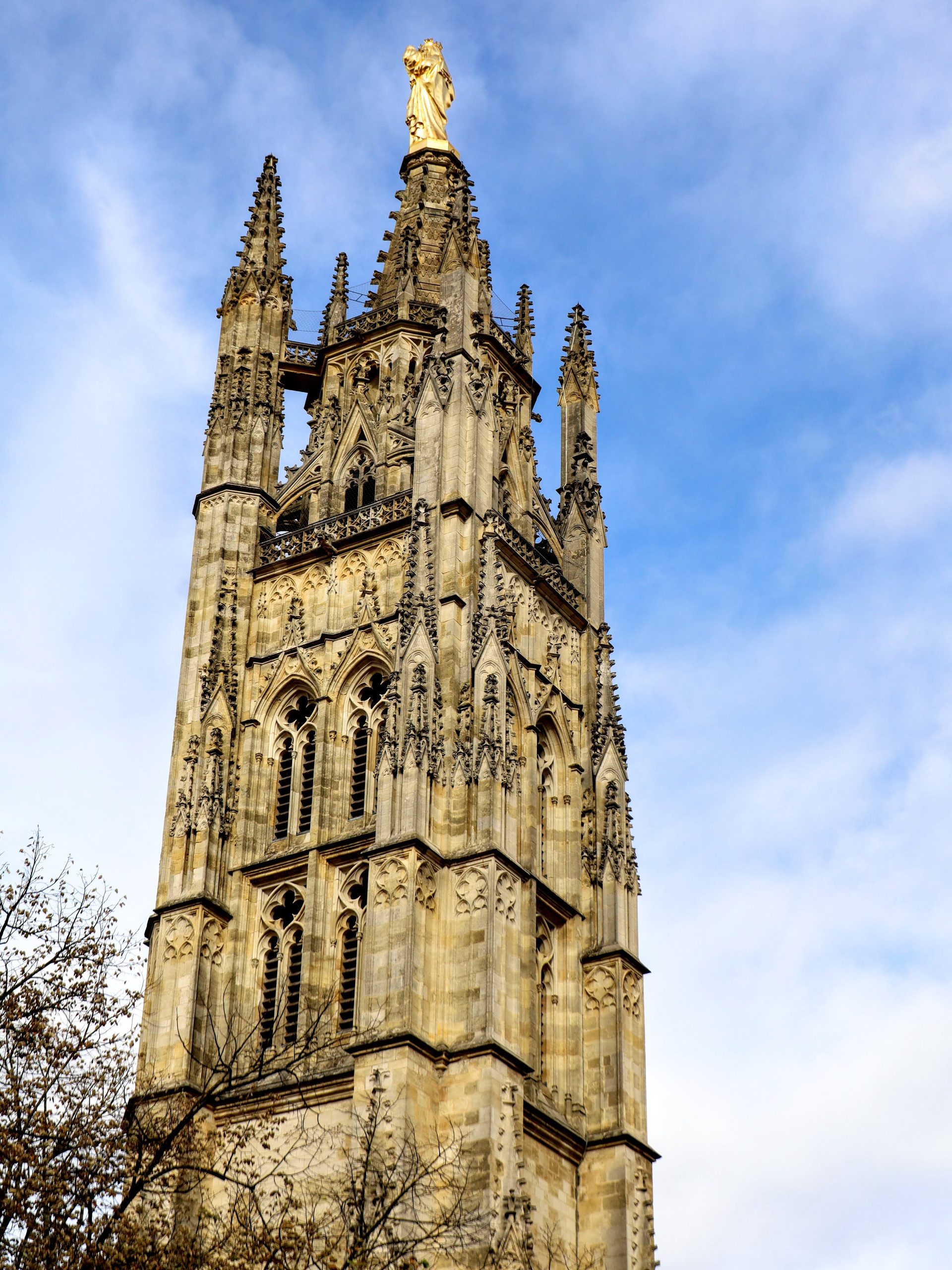
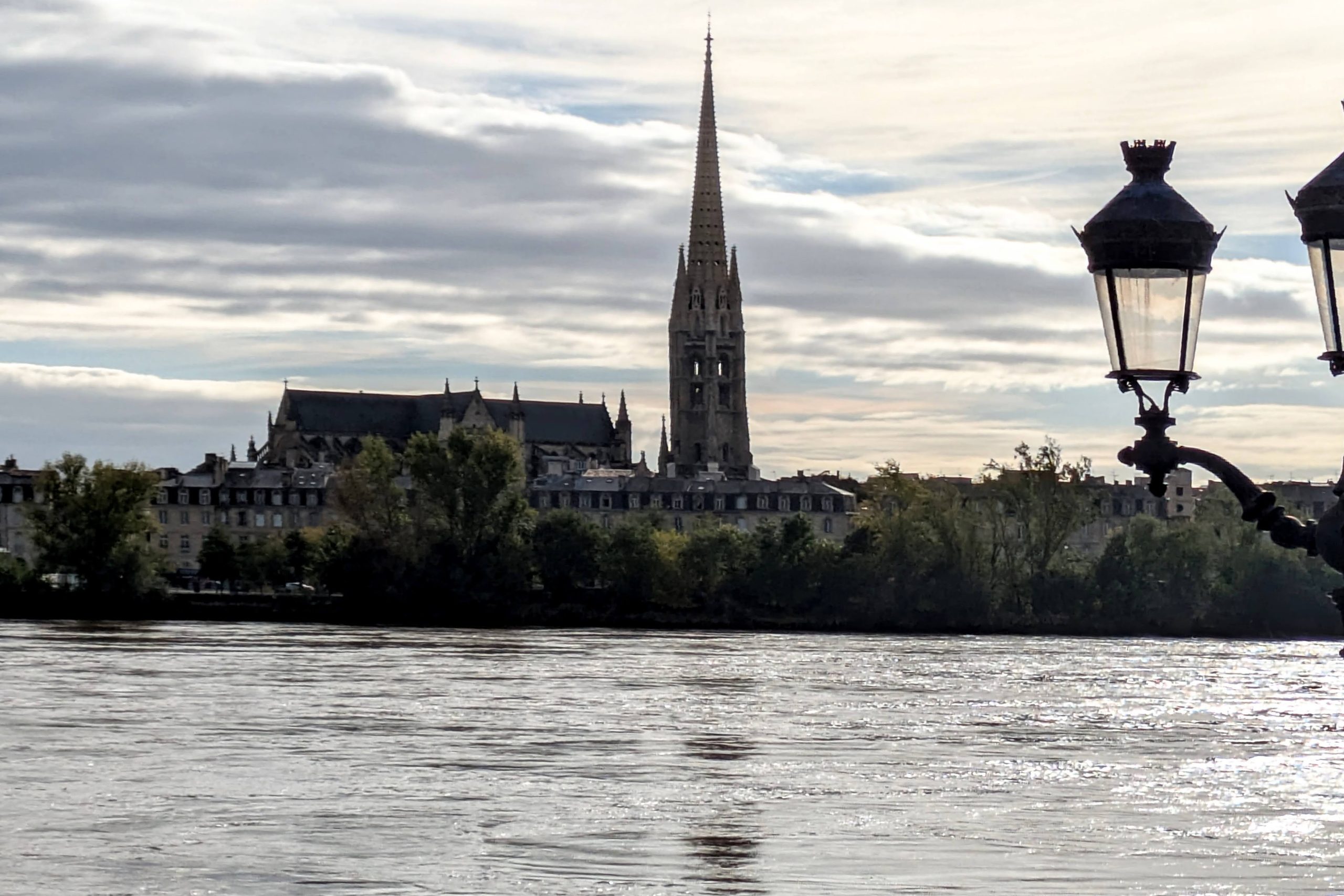
We chose our AirBNB mainly based on proximity to the train station; we never heard back from the first place we tried to book, so instead we ended up outside of downtown Bordeaux, on the “suburban” side of the river, but in a place that was very easy to live in. Which was one reason why we decided to stay longer than we initially planned…
Leave a Reply